
The short answer is that Pennsylvania lawns need fertilizer at specific times throughout the year, with the most important applications happening in early fall and late fall. However, spring and summer feedings also play a role in keeping your grass healthy and green.
For cool season grasses like Kentucky bluegrass, tall fescue, and perennial ryegrass, which are the most common types in Pennsylvania, fall fertilization matters most. Spring fertilization helps your lawn green up, but overdoing it can cause more harm than good.
Quick overview:
Early spring (April): Light feeding to support green up after winter dormancy.
Late spring (May to June): Optional application to maintain color and density.
Early fall (September): Critical feeding when grass is actively growing and building roots.
Late fall (November): Final application to prepare grass for winter and promote early spring green up.
Keep reading to learn exactly when and how to fertilize your Pennsylvania lawn for the best results all year long.
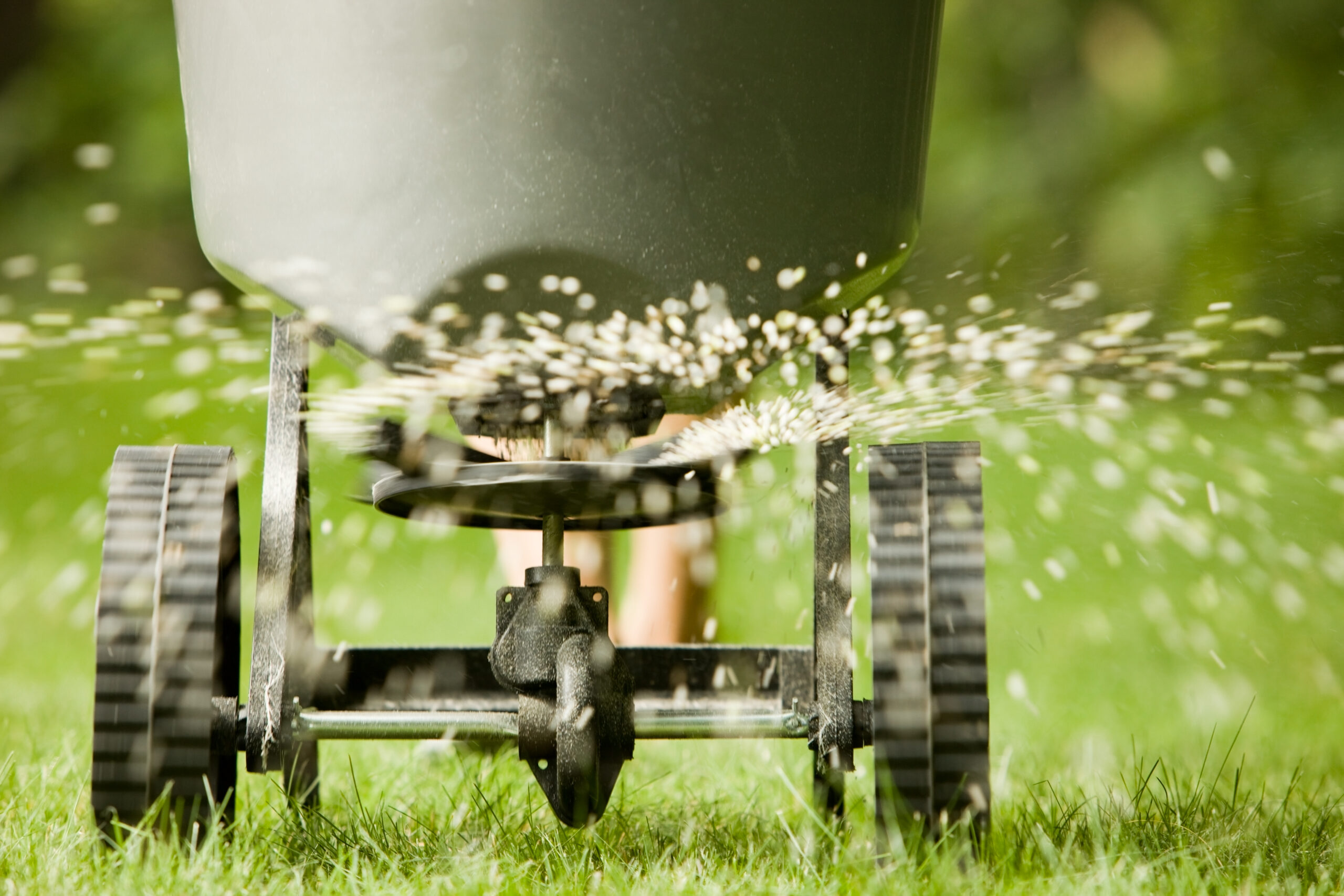
The Complete Fertilization Approach: Our 6 Step Annual Program
Our lawn care program is designed specifically for Pennsylvania homeowners who want a healthy, green lawn without the guesswork. This program delivers the right nutrients at the right time based on how grass actually grows in our climate.
What makes this approach effective is that it follows the natural growth cycle of cool season grasses. Instead of pushing heavy growth in spring when grass is vulnerable, we focus nutrition when grass can actually use it to build strength and density.
Whether you fertilize your own lawn or hire us to handle it, understanding why timing matters will help you make better decisions and avoid common mistakes.
Why Fertilization Timing Matters More Than Most Pennsylvania Homeowners Realize
Applying fertilizer at the wrong time doesn’t just waste money. It can actually damage your lawn and create problems that last all season.
When you fertilize too early in spring, you push tender top growth before the root system is ready to support it. That lush green growth looks great for a few weeks, but it leaves your grass weak and vulnerable to summer stress. You end up with a lawn that burns out in July and August.
When you fertilize during hot summer months, you stress grass that’s already struggling with heat. The nitrogen causes a flush of growth that the plant can’t sustain, and you risk burning your lawn.
The key principle is this: fertilize when grass is actively growing and can use the nutrients, not when it’s dormant or stressed.
Pennsylvania sits in a transition zone where we grow cool season grasses that thrive in spring and fall but slow down or go dormant in summer heat. Your fertilization schedule needs to match this growth pattern.
Spring Fertilization Guide for Pennsylvania Lawns
Spring fertilization helps your lawn recover from winter and green up for the season. But timing and amount matter a lot.
Step 1: Wait for Soil Warmth (Mid to Late April)
Don’t fertilize until soil temperatures reach at least 55 degrees. In most of Pennsylvania, this happens sometime in April, though northern areas may need to wait until early May.
You can check soil temperature with an inexpensive soil thermometer or use online resources that track conditions in your area.
This matters because grass roots can’t absorb nutrients when the soil is cold. Fertilizer applied to cold soil either washes away with spring rains or sits there feeding weed seeds that germinate before your grass wakes up.
Step 2: Apply a Light Spring Feeding (Late April to Early May)
Use a fertilizer with moderate nitrogen and avoid anything too strong. Look for products with slow release nitrogen, which feeds gradually instead of all at once.
Apply at about half to three quarters of the rate recommended on the bag. More is not better in spring.
Heavy spring fertilization is one of the biggest mistakes Pennsylvania homeowners make. It forces fast top growth at the expense of root development. Your lawn looks great in May but pays the price in summer.
Step 3: Consider a Late Spring Application (Late May to Early June)
If your lawn needs extra help or you’re trying to thicken thin areas, a light late spring application can help maintain color and density.
Use a slow release fertilizer and apply at a reduced rate. This feeding should carry your lawn into summer.
Skip this application if your lawn is already thick and healthy. You don’t want to push excessive growth heading into hot weather.
Step 4: Stop Fertilizing Before Summer Heat (Mid June)
Your last spring fertilizer should go down at least three to four weeks before consistent hot weather arrives. In Pennsylvania, that means finishing spring fertilization by mid June at the latest.
Fertilizing too close to summer heat stress causes more problems than it solves.
Critical warning: Never apply high nitrogen fertilizer to Pennsylvania lawns in July or August. Hot weather combined with nitrogen creates the perfect conditions for fungal disease and heat damage. Many brown, damaged lawns we see in late summer started with a midsummer fertilizer application.
Our lawn care program times spring applications based on actual soil temperatures and weather conditions, not just calendar dates.
Fall Fertilization Guide for Pennsylvania Lawns
Fall is the most important fertilization season for Pennsylvania lawns. This is when cool season grasses grow most actively and can really benefit from proper nutrition.
Step 1: Early Fall Feeding (Early to Mid September)
Apply your first fall fertilizer when nighttime temperatures start dropping into the 50s and 60s consistently. In most of Pennsylvania, this happens in early September.
Use a balanced fertilizer with a good amount of nitrogen. This is the time to feed more generously than you did in spring.
Fall fertilization works so well because grass is putting energy into root growth and carbohydrate storage rather than just blade growth. Strong fall feeding means a lawn that survives winter better and greens up faster in spring.
Step 2: Mid Fall Application (Early to Mid October)
A second fall feeding continues to support root development as grass prepares for winter. Apply about four to six weeks after your early fall application.
Keep using a balanced fertilizer with slow release nitrogen for steady feeding.
Important Consideration: Winterizer Application Timing
The final fall fertilizer, often called a winterizer, should go down after grass stops actively growing but before the ground freezes. In Pennsylvania, this usually means late October to mid November.
Don’t apply winterizer too early when grass is still growing quickly. The goal is to feed the roots, not push top growth that will just get damaged by frost.
Don’t wait until the ground is frozen either. Roots need to be able to absorb the nutrients before everything shuts down for winter.
Step 3: Winterizer Application (Late October to Mid November)
Apply a fertilizer higher in nitrogen for this final feeding. The grass will store these nutrients in its root system and use them for early spring green up.
Water lightly after application if rain isn’t expected. You want the fertilizer to reach the soil, not sit on frozen grass blades.
How to Calculate Fertilizer Application Rates
Understanding nitrogen rates helps you apply the right amount without overdoing it or wasting product.
Step by step process:
First, look at your fertilizer bag for the three numbers (N P K). The first number is the percentage of nitrogen. A bag labeled 24 8 16 contains 24 percent nitrogen.
Second, determine how much nitrogen you want to apply. For Pennsylvania lawns, aim for about three quarters to one pound of nitrogen per 1,000 square feet for fall applications and about half a pound for spring applications.
Third, calculate how much fertilizer to use. Divide your target nitrogen amount by the percentage in your fertilizer. For one pound of nitrogen using a 24 percent nitrogen fertilizer, divide 1 by 0.24 to get about 4.2 pounds of fertilizer per 1,000 square feet.
Practical example: If your Pennsylvania lawn is 8,000 square feet and you want to apply three quarters of a pound of nitrogen per 1,000 square feet using a 24 8 16 fertilizer, you would need about 25 pounds of fertilizer total (3.1 pounds per 1,000 square feet times 8).
What About Soil Testing Before Fertilizing?
Soil testing tells you exactly what your lawn needs instead of guessing. This simple step can save you money and prevent problems from over application.
A basic soil test reveals your soil pH and nutrient levels. Many Pennsylvania soils are naturally acidic, which prevents grass from absorbing nutrients efficiently even when you fertilize properly.
Penn State Extension offers affordable soil testing for Pennsylvania homeowners. You can also find home testing kits at garden centers for basic pH information.
We recommend testing your soil every two to three years. Conditions change over time, and what your lawn needed five years ago might not match what it needs today.
Our lawn care program includes soil testing so we can customize fertilizer blends and application rates for your specific property.
Common Fertilization Mistakes Pennsylvania Homeowners Make
After caring for thousands of Pennsylvania lawns, we see the same fertilization mistakes happen over and over.
Mistake #1: Fertilizing Too Early in Spring
Eager homeowners spread fertilizer the first warm weekend in March. The grass can’t use it, weeds love it, and much of it washes into storm drains. Wait until soil temperatures reach 55 degrees.
Mistake #2: Heavy Spring Fertilization
The “feed it and it will grow” mentality backfires in spring. Too much nitrogen pushes weak, fast growth that can’t handle summer stress. Keep spring applications light.
Mistake #3: Summer Fertilizing
Fertilizing Pennsylvania lawns in July and August almost always causes problems. High nitrogen plus heat plus humidity equals disease, stress, and burned grass. Let your lawn rest during summer heat.
Mistake #4: Skipping Fall Fertilization
Many homeowners wind down lawn care in fall just when they should be ramping up. Fall is when Pennsylvania lawns benefit most from fertilization. Don’t skip these critical applications.
Mistake #5: Ignoring Soil pH
Spreading fertilizer on acidic soil is like filling a leaky bucket. Until you correct pH problems with lime, your grass can’t efficiently use the nutrients you apply. Test your soil and address pH issues first.
Synthetic Fertilizer vs. Organic Fertilizer: Which Should You Choose?
Synthetic fertilizers provide nutrients in forms that grass can use immediately. They work fast, cost less per application, and give you precise control over nutrient amounts.
Best for: Homeowners who want quick results, have specific nutrient deficiencies to correct, or need to follow a precise fertilization schedule.
Organic fertilizers release nutrients slowly as soil microbes break them down. They improve soil health over time, are less likely to burn grass if over applied, and support beneficial soil biology.
Best for: Homeowners focused on long term soil health, those with pets or children who play on the lawn, or anyone concerned about environmental impact.
Many Pennsylvania homeowners get good results using a combination. Organic products build soil health while synthetic fertilizers address specific nutrient needs when timing matters most.
Your Pennsylvania Fertilization Calendar at a Glance
Annual Fertilization Schedule
| When | Application | Nitrogen Rate | Notes |
|---|---|---|---|
| Late April to Early May | Early Spring | 0.5 lb per 1,000 sq ft | Wait for 55 degree soil, use slow release |
| Late May to Early June | Late Spring (optional) | 0.5 lb per 1,000 sq ft | Skip if lawn is already healthy |
| Early to Mid September | Early Fall | 0.75 to 1 lb per 1,000 sq ft | Most important application of the year |
| Early to Mid October | Mid Fall | 0.75 lb per 1,000 sq ft | Supports root development |
| Late October to Mid November | Winterizer | 1 lb per 1,000 sq ft | After growth stops, before ground freezes |
Fertilization Timing by Pennsylvania Region
| Region | Spring Start | Fall Start | Winterizer |
|---|---|---|---|
| Southeast PA | Mid April | Early September | Early November |
| Central PA | Late April | Mid September | Mid November |
| Northern PA | Early May | Early September | Late October |
The Bottom Line
Fertilization timing for Pennsylvania lawns comes down to matching your schedule to how cool season grasses naturally grow.
Key principles to remember:
Fall fertilization matters most for Pennsylvania lawns because that’s when grass builds roots and stores energy.
Spring fertilization should be light to avoid pushing weak growth before summer.
Never fertilize during July and August heat when grass is stressed.
Soil testing tells you what your lawn actually needs instead of guessing.
Use slow release nitrogen products for steady feeding without burn risk.
Following these guidelines will help you build a thick, healthy lawn that handles Pennsylvania’s variable weather and looks great year round.
Let Us Handle It For You
Every Pennsylvania lawn has different needs based on soil type, grass variety, sun exposure, and how it’s been maintained in the past. Getting fertilization timing right requires paying attention to weather, soil conditions, and how your lawn responds.
Our lawn care program takes all these factors into account. We apply the right products at the right time based on what your lawn actually needs, not a generic calendar.
Our Fertilization Program includes:
Professionally timed applications that match your lawn’s growth cycle.
Soil testing to identify pH problems and nutrient deficiencies.
Slow release fertilizer blends that feed steadily without burn risk.
Ongoing monitoring and adjustments based on how your lawn responds.
Stop guessing about when to fertilize and what products to use. Let the lawn care experts handle your fertilization schedule so you can enjoy a healthy, green lawn all season long.
Contact us today to schedule your lawn evaluation and get your Pennsylvania lawn on a proper fertilization program.