The short answer: Birmingham receives over 50 inches of rain annually, which creates both opportunities and challenges for lawn care. While rainfall reduces irrigation needs, it also promotes fungal diseases, causes nutrient runoff, compacts clay soil, and makes timing lawn treatments more complicated.
The key is adjusting your lawn care practices to work with Birmingham’s rainfall patterns rather than fighting against them. What works in drier climates often fails here because our lawns stay wet longer and face different stresses.
Quick overview:
Disease pressure: Frequent rain keeps grass wet, creating ideal conditions for fungal diseases like brown patch and dollar spot
Soil compaction: Heavy rainfall on Birmingham’s clay soil leads to compaction that suffocates grass roots
Nutrient management: Rain washes away fertilizer before grass can absorb it, requiring different application strategies
Mowing challenges: Wet grass is harder to cut cleanly and spreads disease when mowed
Keep reading to learn how to adjust your lawn care practices for Birmingham’s rainy climate.

The Complete Rainfall Adapted Approach: Our Weather Responsive Lawn Program
A professional lawn care program designed for Birmingham’s rainfall patterns adjusts treatments based on actual weather conditions rather than following a fixed calendar. These programs account for the reality that our rainfall is unpredictable and varies significantly from year to year.
What makes a weather responsive program effective is flexibility. Birmingham can receive 3 inches of rain in a single afternoon thunderstorm or go three weeks without significant precipitation. A rigid treatment schedule ignores these variations and often applies products at the worst possible times.
Whether you manage your lawn yourself or hire a professional, understanding how rainfall affects every aspect of lawn care helps you make better decisions throughout the year.
Why Rainfall Management Matters More Than Most Birmingham Homeowners Realize
Getting lawn care wrong in a high rainfall climate doesn’t just mean wasted money on treatments that wash away. It means fighting the same fungal diseases year after year, dealing with chronically compacted soil that stunts grass growth, and watching fertilizer run off into storm drains instead of feeding your lawn.
Here’s what can go wrong: A homeowner applies fertilizer on a sunny morning, then an afternoon thunderstorm washes most of it away before the grass can absorb it. Or they water their lawn on a schedule without accounting for recent rainfall, keeping grass constantly wet and inviting disease.
The key principle Birmingham homeowners need to understand is that our rainfall is both a blessing and a challenge. We rarely face true drought conditions, but we must manage excess moisture carefully to keep lawns healthy.
Birmingham averages 53 inches of rain per year, spread unevenly across the seasons. Spring and winter tend to be wettest, while late summer and fall can bring dry spells. This variation means lawn care strategies must change throughout the year.
Rainfall and Disease Pressure Guide for Birmingham Lawns
Frequent rainfall is the primary driver of lawn disease in Birmingham. Understanding this connection helps you prevent problems before they start.
How Rain Promotes Fungal Disease
Fungal diseases need moisture to spread. Their spores travel in water droplets and germinate on wet grass blades. Most lawn fungi require grass to stay wet for at least 10 to 14 hours before they can infect the plant.
In drier climates, grass typically dries within a few hours of morning dew or irrigation. In Birmingham, a rainy week can keep grass continuously wet, giving fungi unlimited opportunity to spread.
The combination of warm temperatures and extended leaf wetness is especially dangerous. This is why disease outbreaks often follow stretches of afternoon thunderstorms in June and July, when Birmingham experiences both high temperatures and frequent rain.
Adjusting Your Practices During Wet Periods
Stop supplemental irrigation completely. This seems obvious but many homeowners run irrigation systems on timers without checking whether rain has already provided enough water. Turn off automatic irrigation during rainy periods.
Delay fertilizer applications. Nitrogen fertilizer applied before rain promotes lush growth that is highly susceptible to fungal attack. Wait for a dry window of at least 24 to 48 hours before fertilizing.
Mow more frequently if possible. Keeping grass at optimal height improves air circulation and helps the lawn dry faster between rain events.
Consider preventive fungicide. During extended wet periods in summer, preventive fungicide applications can stop disease outbreaks before they start. This is especially important for disease prone grass types like St. Augustine and fescue.
Recognizing Weather Related Disease Outbreaks
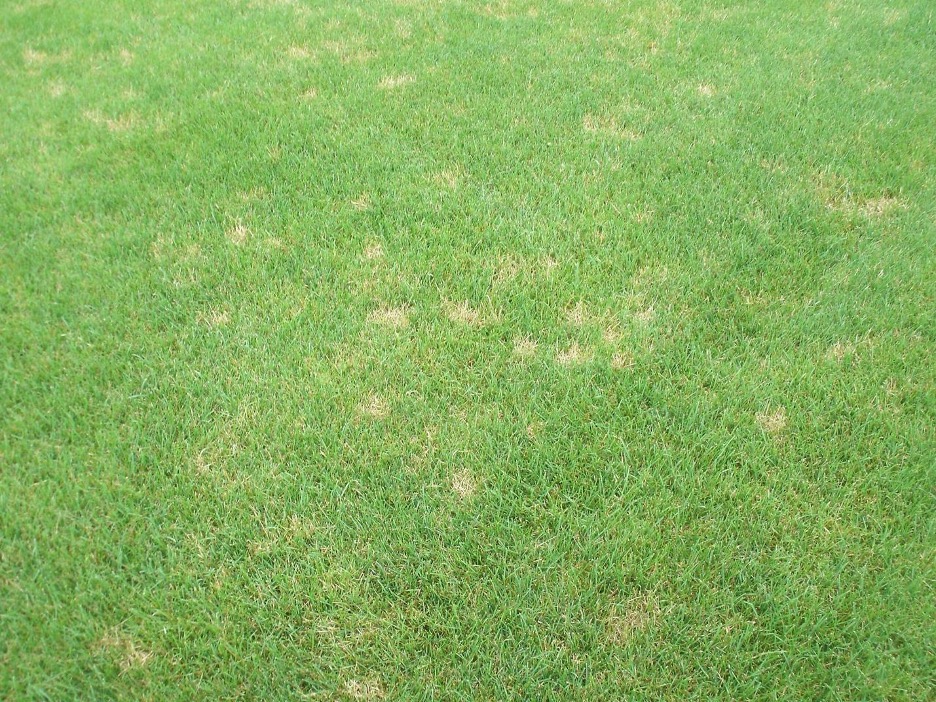
After a week of daily rain in summer, inspect your lawn carefully for early disease signs. Look for circular brown patches (brown patch disease), small bleached spots (dollar spot), or gray lesions on grass blades (gray leaf spot).
Early detection during wet weather allows for faster treatment before diseases spread across your entire lawn.
Critical warning: Do not assume brown areas after heavy rain are drought stress. In Birmingham, the opposite is usually true. Wet weather disease is far more common than drought damage in our climate.
A professional lawn care program monitors weather patterns and adjusts treatments accordingly, applying preventive fungicides when extended wet periods are forecast.
Rainfall and Soil Compaction Guide for Birmingham Lawns
Birmingham’s heavy clay soil and frequent rainfall combine to create serious compaction problems that affect lawn health year round.
How Rain Compacts Clay Soil
Clay soil particles are tiny and pack together tightly when wet. Each rainstorm forces these particles closer together, squeezing out the air spaces that grass roots need to survive.
Heavy rainfall also breaks down soil structure at the surface, creating a crust that water cannot penetrate. You may notice puddles forming on your lawn even during moderate rain because water cannot soak into compacted soil.
The weight of water itself contributes to compaction. A cubic foot of water weighs over 60 pounds. During heavy rain, saturated soil bears this weight across your entire lawn, pressing particles together.
Signs Your Lawn Has Compaction Problems
Water puddles or runs off instead of soaking in. Healthy soil absorbs rainfall quickly. If water sits on the surface or runs toward storm drains, your soil is likely compacted.
Grass thins in high traffic areas. Compacted soil cannot support dense grass growth. Paths, play areas, and spots near driveways often show compaction damage first.
Grass struggles despite adequate water and fertilizer. When roots cannot penetrate compacted soil, grass cannot access nutrients and water even when they’re present.
Soil feels hard when you push a screwdriver into it. Healthy soil allows easy penetration. If you struggle to push a screwdriver 6 inches into your lawn, compaction is limiting root growth.
Addressing Compaction in a Rainy Climate
Core aeration is essential. Aeration removes plugs of soil, creating channels for air, water, and roots. In Birmingham’s rainy climate, annual aeration is necessary rather than optional.
Time aeration for optimal conditions. Aerate in early fall for warm season grasses or early fall for cool season grasses. Soil should be moist but not saturated. Aerating waterlogged soil is ineffective and can cause additional compaction.
Leave aeration cores on the lawn. The cores break down and help improve soil structure over time. Removing them eliminates this benefit.
Add organic matter over time. Topdressing with compost after aeration improves soil structure and helps clay soil resist future compaction. This is a long term improvement that pays dividends over years.
Reduce traffic on wet soil. Every step on saturated soil compresses it further. Stay off your lawn during and immediately after heavy rain when possible.
Rainfall and Nutrient Management Guide for Birmingham Lawns
Frequent rainfall changes how you should approach fertilization. Products and timing that work in drier climates often fail in Birmingham.
How Rain Affects Fertilizer
Water soluble fertilizers dissolve quickly and can wash away before grass absorbs them. A heavy rain within 24 hours of application can carry most of the nutrients into storm drains rather than into your lawn.
Nitrogen is especially vulnerable to rainfall losses. It moves easily through soil and leaches below the root zone during heavy rain. This is why lawns in rainy climates often show nitrogen deficiency even when homeowners fertilize regularly.
Runoff also carries fertilizer into streams, rivers, and eventually Mobile Bay. Nutrient pollution from lawn fertilizers contributes to algae blooms and water quality problems throughout Alabama.
Choosing the Right Fertilizer Products
Use slow release nitrogen sources. Slow release fertilizers dissolve gradually over weeks rather than all at once. This means rain events wash away only a small portion of the total nitrogen rather than the entire application.
Look for coated or polymer coated products. These fertilizers have a protective coating that controls release rate regardless of rainfall. They cost more but deliver more nutrients to your grass in Birmingham’s climate.
Consider organic fertilizers. Organic nitrogen sources like composted manure or blood meal release nutrients as soil microbes break them down. This natural process is less affected by rainfall than synthetic fertilizer dissolution.
Avoid fertilizers high in water soluble nitrogen. Check the label for the percentage of slow release nitrogen. For Birmingham lawns, at least 50 percent of the nitrogen should come from slow release sources.
Timing Fertilizer Applications Around Rainfall
Check the forecast before applying fertilizer. Ideally, apply when no significant rain is expected for 48 hours. Light rain after 24 hours is acceptable, but heavy rain within that window wastes product and money.
Water lightly after application if no rain is expected. A light irrigation of about a quarter inch helps move fertilizer into the soil where it’s protected from future runoff.
Split applications into smaller doses. Instead of applying all fertilizer in one or two heavy applications, spread the same total amount across three or four lighter applications. This reduces losses from any single rain event.
Adjust your annual total based on rainfall. Wet years require more total fertilizer because losses are higher. Dry years require less. A soil test in fall can show whether your lawn received adequate nutrition despite rainfall losses.
How to Adjust Mowing Practices for Wet Conditions
Mowing a wet lawn creates problems that affect grass health for weeks afterward. Birmingham’s frequent rain makes this a regular challenge.
Why Mowing Wet Grass Causes Problems
Wet grass blades don’t cut cleanly. Instead of a sharp cut, mower blades tear the grass, leaving ragged edges that brown and invite disease entry.
Wet grass clumps together instead of dispersing evenly. These clumps smother the grass beneath them and create perfect conditions for fungal growth.
Mower wheels compact wet soil more severely than dry soil. Each mowing pass during wet conditions increases soil compaction.
Wet conditions spread fungal spores efficiently. If any part of your lawn has a disease, mowing when wet spreads those spores across the entire yard.
Practical Strategies for Mowing in Birmingham
Mow in the morning after dew dries but before afternoon storms. During summer thunderstorm season, the window between dry grass and afternoon rain may be just a few hours. Take advantage of morning dry periods.
Sharpen mower blades more frequently. Sharp blades make cleaner cuts even on damp grass. In Birmingham’s climate, sharpen blades every 8 to 10 mowing sessions rather than the standard 20 to 25.
Raise mowing height slightly during wet periods. Taller grass handles the stress of wet mowing better than short grass. Raise your cutting height by half an inch during extended rainy periods.
Clean your mower deck after mowing wet grass. Grass buildup under the deck harbors fungal spores and reduces cutting efficiency. Scrape the deck clean after each wet mowing.
Accept that sometimes you cannot mow. During extended wet weather, grass may grow taller than ideal. This is better than the damage caused by repeatedly mowing wet turf.
What About Drainage Improvements?
Poor drainage turns Birmingham’s rainfall from a challenge into a crisis for lawn health. Addressing drainage problems is often the most impactful improvement you can make.
Signs You Have Drainage Problems
Standing water remains more than 24 hours after rain. Healthy lawns absorb rainfall within hours. Persistent puddles indicate drainage failure.
Grass dies in low spots while thriving on high ground. Water collects in depressions and drowns grass roots.
Moss or algae grows in persistently wet areas. These organisms thrive in conditions too wet for healthy grass.
Soil smells sour or rotten in wet areas. Waterlogged soil becomes anaerobic and develops an unpleasant odor.
Drainage Solutions for Birmingham Lawns
Regrade low spots. Sometimes the solution is simply adding soil to eliminate depressions where water collects. Use a sandy loam topsoil that drains better than native clay.
Install French drains. French drains are gravel filled trenches that collect water and channel it away from problem areas. They work well for persistent wet spots that cannot be eliminated through grading.
Create rain gardens. In areas where water naturally collects, rain gardens planted with water tolerant plants can turn a problem into an attractive landscape feature.
Extend downspouts away from lawn areas. Roof runoff concentrated near the house often causes drainage problems in adjacent lawn areas. Extend downspouts at least 6 feet from the foundation.
Professional lawn care programs can assess drainage problems and recommend solutions appropriate for your specific situation.
Common Rainfall Related Lawn Care Mistakes Birmingham Homeowners Make
Birmingham’s unique rainfall patterns lead to predictable mistakes that damage lawns year after year.
Mistake 1: Running Irrigation on a Fixed Schedule
Automatic irrigation systems save time but cause problems when they run regardless of rainfall. Install a rain sensor or check the weather manually and adjust irrigation accordingly.
Mistake 2: Fertilizing Before Predicted Rain
The logic seems sound: rain will water in the fertilizer. But heavy rain washes fertilizer away rather than helping it absorb. Wait for a dry window after application.
Mistake 3: Ignoring Soil Compaction
Because Birmingham lawns rarely show obvious drought stress, homeowners often overlook compaction as the cause of thin, struggling grass. Annual aeration is essential in our climate.
Mistake 4: Mowing on a Rigid Schedule Regardless of Conditions
Mowing every Saturday regardless of weather damages wet grass and spreads disease. Flexibility in mowing timing produces healthier lawns.
Mistake 5: Treating Disease Symptoms as Drought Stress
Brown patches after wet weather are almost never drought stress in Birmingham. Misdiagnosis leads to increased watering, which worsens the actual problem of fungal disease.
Managing Irrigation vs. Relying on Rainfall: Which Approach Should You Choose?
Relying primarily on rainfall reduces water bills and takes advantage of Birmingham’s abundant precipitation. Natural rainfall penetrates soil more gently than irrigation and contains small amounts of nitrogen that benefit grass.
Best for: Established lawns with deep root systems, drought tolerant grass varieties like Bermuda, and homeowners comfortable with some browning during occasional dry spells.
Supplemental irrigation ensures consistent moisture regardless of rainfall patterns. Irrigation systems allow precise control over water timing, which helps prevent disease by watering only in early morning.
Best for: New lawns and sod, high value landscapes where appearance is critical, moisture sensitive grass types like fescue and St. Augustine, and homeowners who want maximum control.
Most Birmingham homeowners benefit from a hybrid approach: relying on rainfall as the primary water source but supplementing during dry spells to maintain lawn health.
Your Birmingham Rainfall Adjusted Lawn Care Calendar at a Glance
Spring (March through May)
| Rainfall Condition | Adjustment | Why It Matters |
|---|---|---|
| Wet spring | Delay fertilizer until dry window | Prevents runoff and waste |
| Wet spring | Apply pre emergent early | Rain activates product |
| Normal spring | Follow standard timing | Birmingham spring is usually wet |
| Dry spring | Water new treatments lightly | Helps absorption |
Summer (June through August)
| Rainfall Condition | Adjustment | Why It Matters |
|---|---|---|
| Frequent storms | Turn off irrigation | Prevents overwatering |
| Frequent storms | Apply preventive fungicide | Disease risk peaks |
| Frequent storms | Mow when dry, even if less often | Prevents disease spread |
| Dry stretch | Resume irrigation gradually | Deep watering preferred |
Fall (September through November)
| Rainfall Condition | Adjustment | Why It Matters |
|---|---|---|
| Wet fall | Aerate when soil is moist but not saturated | Optimal conditions for aeration |
| Wet fall | Apply slow release fall fertilizer | Reduces loss to leaching |
| Dry fall | Irrigate before overseeding | Seed needs moisture to germinate |
Winter (December through February)
| Rainfall Condition | Adjustment | Why It Matters |
|---|---|---|
| Wet winter | Stay off lawn | Prevents compaction |
| Wet winter | Clear debris promptly | Prevents smothering |
| Any winter | No active management needed | Warm season grass is dormant |
The Bottom Line
Birmingham’s frequent rainfall shapes every aspect of lawn care, from disease prevention to fertilizer selection to mowing timing. Working with our climate rather than against it is the key to a healthy lawn.
Key principles to remember:
Adjust irrigation based on actual rainfall rather than running on a fixed schedule. More Birmingham lawns suffer from overwatering than underwatering.
Use slow release fertilizers and time applications around dry weather windows. Quick release products wash away before they can benefit your grass.
Aerate annually to counteract the compaction that heavy rain causes in clay soil. This is not optional in Birmingham.
Monitor for disease during wet periods and treat early. Extended leaf wetness creates ideal conditions for fungal outbreaks.
Be flexible with mowing timing. Mowing wet grass causes more problems than letting grass grow slightly taller than ideal.
Following these guidelines will help your lawn thrive in Birmingham’s rainy climate while avoiding the problems that plague homeowners who don’t adapt their practices.

Let Us Handle It For You
Every Birmingham lawn responds differently to rainfall based on grass type, soil conditions, drainage patterns, and sun exposure. What works for your neighbor may not work for you.
Our Weather Responsive Lawn Program adapts to actual conditions rather than following a fixed calendar. We monitor rainfall and adjust treatments accordingly.
Our program includes:
Fertilizer applications timed around weather patterns to maximize absorption and minimize waste
Preventive fungicide during high risk wet periods before disease takes hold
Annual aeration to address compaction from Birmingham’s heavy rainfall on clay soil
Drainage assessment and recommendations for problem areas
Flexible scheduling that accounts for wet conditions when mowing or treating
Stop fighting against Birmingham’s rainfall and start working with it. Stop wasting money on fertilizer that washes away and treatments applied at the wrong time.
Contact us today for a free lawn evaluation and learn how our weather responsive approach can give you a healthier lawn that thrives in Birmingham’s climate.