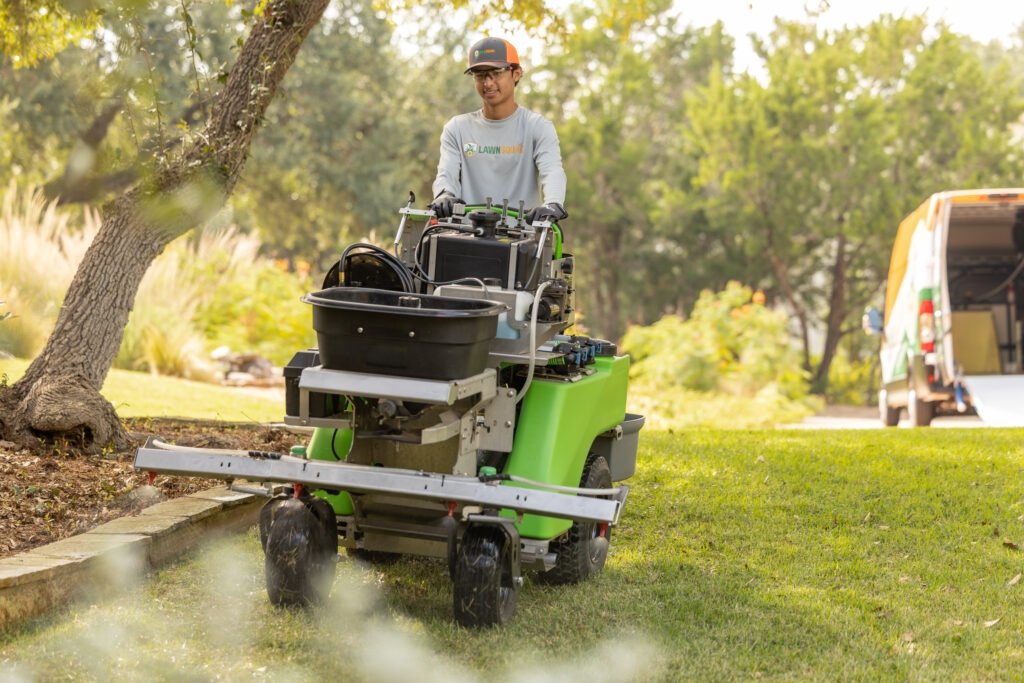
The short answer: The best time to aerate and overseed North Carolina lawns depends on your grass type. For cool season grasses like fescue, fall is the ideal time, specifically late August through early October. For warm season grasses like Bermuda and zoysia, late spring through early summer works best when the grass is actively growing.
Aeration relieves soil compaction and allows water, air, and nutrients to reach grass roots. Overseeding introduces new grass plants to thicken thin areas and improve overall lawn density.
Quick overview:
- Cool season lawns (fescue): Aerate and overseed in fall, from late August through October
- Warm season lawns (Bermuda, zoysia): Aerate in late spring or summer; overseed Bermuda in May or June
- Both grass types: Aeration alone can happen in spring or fall, but timing with overseeding requires careful planning
Keep reading to learn exactly when and how to aerate and overseed lawns throughout the Triangle, Eastern North Carolina, and the Greenville area.
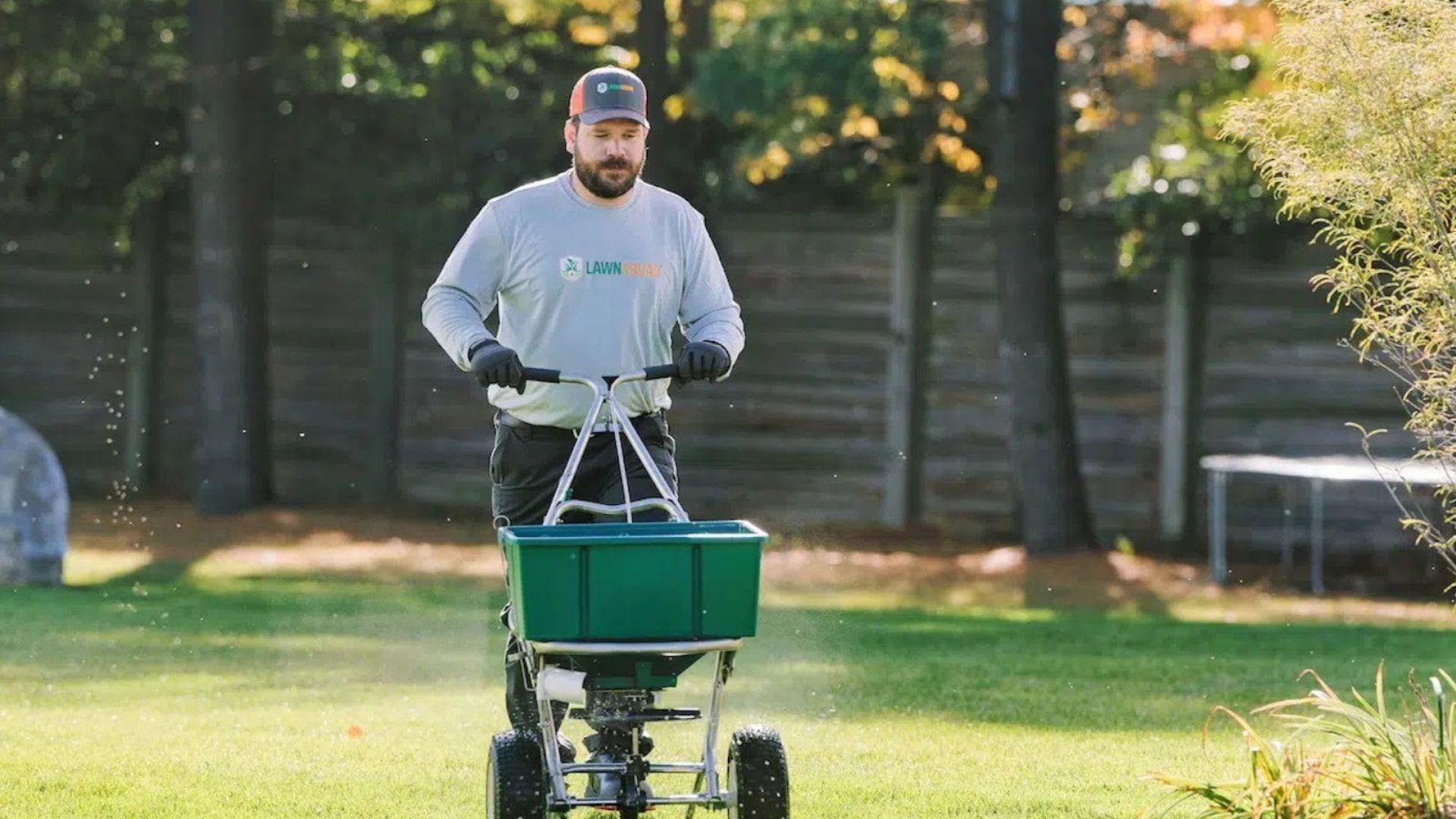
The Complete Aeration and Overseeding Approach: Our Seasonal Program
At Lawn Squad of North Raleigh-Greenville, we include aeration as part of our ELITE program because it delivers measurable improvements in lawn health. Our service area spans Wake, Nash, Pitt, Franklin, Beaufort, Edgecombe, Wilson, Martin, Halifax, and Bertie counties, and we see the benefits of proper aeration across all soil types in the region.
Our program times aeration services to work with other treatments rather than against them. This coordination matters because aeration affects how pre-emergent herbicides perform and when overseeding can succeed.
Whether you aerate your own lawn or hire professionals, understanding the relationship between aeration, overseeding, and your overall lawn care program helps you get maximum value from each service.
Why Aeration and Overseeding Matter More Than Most NC Homeowners Realize
North Carolina soils compact easily, especially the clay-heavy soils common throughout Wake County and the Triangle area. Foot traffic, lawn equipment, and even rainfall gradually compress soil particles together, squeezing out the air spaces that roots need.
Compacted soil creates multiple problems. Water runs off instead of soaking in, leaving grass thirsty even after rain. Fertilizer sits on the surface instead of reaching roots. Grass roots stay shallow because they cannot penetrate the dense soil layer. Shallow roots mean weak grass that struggles during summer heat and drought.
The humid North Carolina climate adds another challenge. Thatch, the layer of dead grass stems between the soil surface and green growth, accumulates faster in our warm, moist conditions. Excessive thatch blocks water and creates a breeding ground for disease and insects.
Aeration addresses both compaction and thatch problems. The cores of soil removed during aeration break up the compacted layer and allow thatch to decompose naturally.
Overseeding thickens thin lawns by introducing new grass plants. Every bare spot in your lawn will fill with something. If you do not plant grass seed, weeds will move in. A thick, dense lawn naturally resists weed invasion and recovers faster from stress.
Core Aeration Guide for North Carolina Lawns
Core aeration, also called plug aeration, removes small cylinders of soil from your lawn. These cores are typically two to three inches deep and about three-quarters of an inch in diameter. The holes left behind allow air, water, and nutrients to penetrate the root zone.
How Core Aeration Works
A core aerator uses hollow tines that punch into the soil and pull out plugs. Quality aeration creates 20 to 40 holes per square foot, depending on the machine and soil conditions.
The soil cores left on the lawn surface look messy initially but break down within a week or two. As they decompose, they return organic matter and beneficial microorganisms to the soil. Do not rake up the cores unless appearance is critical for a specific event.
When to Aerate Cool Season Lawns
Fescue and other cool season grasses should be aerated during their active growth periods, which means spring or fall in North Carolina.
Fall aeration (late August through October) is the preferred timing for cool season lawns. The grass is entering its strongest growth phase and recovers quickly from the aeration stress. Fall aeration also sets up perfectly for overseeding since soil contact improves seed germination.
Spring aeration (March through April) works but creates a conflict with pre-emergent herbicides. Pre-emergent creates a chemical barrier in the top layer of soil to prevent weed seeds from germinating. Aeration punches holes through this barrier, reducing effectiveness.
If you need spring aeration, apply pre-emergent after aerating, not before. Understand that some weed breakthrough may occur.
Lawn Squad’s ELITE program includes aeration in Rounds 4 through 7, covering summer and fall timing options that work with the overall treatment schedule.
When to Aerate Warm Season Lawns
Bermuda, zoysia, and centipede grasses should be aerated during their active summer growth period.
Late spring through early summer (May through July) provides ideal aeration timing for warm season lawns. The grass is growing aggressively and fills in the aeration holes quickly.
Avoid fall aeration for warm season grasses. The lawn cannot recover before going dormant, leaving holes open through winter where weeds can establish.
How Often to Aerate
Most North Carolina lawns benefit from annual aeration. High-traffic areas and lawns on heavy clay soil may need aeration twice per year.
Sandy soils in Eastern North Carolina near Greenville, Washington, and the coastal areas may not need aeration as frequently. Sandy soil drains well and resists compaction better than clay.
Signs your lawn needs aeration include water pooling or running off after rain, thin grass despite proper fertilization, soil that feels hard when you push a screwdriver into it, and heavy thatch accumulation.
Overseeding Guide for North Carolina Lawns
Overseeding spreads grass seed over an existing lawn to thicken thin areas, fill bare spots, and introduce improved grass varieties. When combined with aeration, overseeding becomes more effective because seeds fall into the aeration holes where soil contact is guaranteed.
Overseeding Cool Season Lawns
Fescue lawns in North Carolina typically need overseeding every one to three years. Our hot, humid summers stress fescue, causing some plants to die each year. Without overseeding, fescue lawns gradually thin out and weeds take over.
Fall overseeding (September through mid-October) is the only recommended timing for cool season lawns. The window is narrow but critical.
Why fall works best:
- Soil is still warm enough for seed germination
- Air temperatures are cooling, reducing stress on new seedlings
- Fall rains provide natural irrigation
- Fewer weed seeds are germinating to compete with grass seed
- New grass has fall and spring to establish before summer stress
September timing specifics:
- Early September: Ideal for the Triangle and Wake County areas
- Mid-September: Good for most of Eastern NC including Pitt County
- Late September to early October: Acceptable but risky if cold weather arrives early
Overseeding Warm Season Lawns
Most warm season grasses spread through stolons (above-ground runners) or rhizomes (below-ground stems) rather than seed. Overseeding is less common and less necessary for Bermuda and zoysia lawns.
Bermuda grass can be overseeded in late spring when soil temperatures are consistently above 65 degrees. Use hulled Bermuda seed for faster germination.
Zoysia and centipede are rarely overseeded because seed germination is slow and unreliable. These grasses fill in naturally through spreading growth. If large bare areas exist, sodding or plugging produces better results than seeding.
Winter overseeding with ryegrass is common on Bermuda lawns in North Carolina. This provides green color during winter when Bermuda is dormant. The ryegrass dies out in late spring as Bermuda greens up.
Seed Selection for North Carolina
Choosing the right grass seed variety matters for long-term success. Improved turf-type tall fescue varieties outperform older varieties in heat tolerance, disease resistance, and appearance.
Look for seed blends containing multiple improved fescue varieties. This diversity provides insurance against disease or stress affecting any single variety.
Avoid cheap seed blends containing annual ryegrass or other filler species. These grasses germinate quickly but die within a year, leaving you back where you started.
Purchase fresh seed with a test date within the past year. Grass seed viability decreases over time, so last year’s leftover seed may have poor germination rates.
Seeding Rates for Overseeding
Overseeding uses less seed than establishing a new lawn from bare soil. The existing grass provides some cover, and you only need to fill gaps.
Fescue overseeding rates:
- Light overseeding (maintenance): 3 to 4 pounds per 1,000 square feet
- Moderate overseeding (thin lawn): 5 to 6 pounds per 1,000 square feet
- Heavy overseeding (significant bare areas): 7 to 8 pounds per 1,000 square feet
Apply seed evenly using a broadcast spreader. Make two passes in perpendicular directions for best coverage.
How to Combine Aeration and Overseeding
Aerating immediately before overseeding creates ideal conditions for seed germination. The combination is more effective than either service alone.
Step-by-step process:
- Mow your lawn shorter than normal, around 2 to 2.5 inches for fescue
- Aerate thoroughly, making multiple passes if possible
- Apply grass seed at appropriate overseeding rates
- Apply starter fertilizer to support new seedling growth
- Water lightly and frequently to keep seed moist until germination
- Reduce foot traffic on seeded areas for four to six weeks
Why aeration improves overseeding:
- Seeds fall into aeration holes with direct soil contact
- Holes protect seeds from birds and washing away
- Reduced thatch means better seed-to-soil contact
- Loosened soil allows new roots to penetrate easily
Lawn Squad sells overseeding only with aeration for this reason. The combination produces dramatically better results than overseeding alone.
What About Liquid Aeration?
Liquid aeration products claim to reduce soil compaction through chemical action rather than mechanical core removal. These products typically contain surfactants, humic acids, or other compounds that supposedly loosen soil.
How liquid aeration compares:
- No cores removed, so no mess on the lawn surface
- Easier application through a hose-end sprayer
- Lower cost than core aeration equipment rental
- Results are less dramatic and harder to verify
- Does not provide seed-to-soil contact benefits
- May need multiple applications for noticeable improvement
Lawn Squad offers liquid aeration as a spring or fall option. It works as a supplement to core aeration or for lawns where core aeration is impractical. However, liquid aeration does not replace the proven benefits of mechanical core aeration, especially when combined with overseeding.
Pre-Emergent Conflicts: What You Need to Know
Pre-emergent herbicides and overseeding work against each other. This conflict is one of the most important timing considerations for North Carolina lawn care.
Pre-emergent herbicides create a chemical barrier that stops seeds from germinating. This barrier does not distinguish between weed seeds and grass seeds. If you apply pre-emergent and then overseed, your grass seed will not germinate.
Timing rules:
- Do not overseed for 60 to 90 days after pre-emergent application (check product label for specific intervals)
- Do not apply pre-emergent for 60 to 90 days after overseeding to allow new grass to establish
- Fall pre-emergent (for winter weed control) conflicts with fall overseeding for fescue
This conflict forces North Carolina homeowners to choose priorities. You can have maximum weed prevention or you can overseed, but not both at the same time.
If overseeding is critical: Skip the fall pre-emergent application and accept some winter annual weed breakthrough. Control emerging weeds with post-emergent products after the new grass establishes.
If weed prevention is critical: Apply fall pre-emergent and skip overseeding this year. Plan to overseed the following fall if lawn thickness is still a concern.
Lawn Squad technicians help customers navigate this decision based on their specific lawn conditions and priorities.
Common Aeration and Overseeding Mistakes NC Homeowners Make
After serving homeowners throughout the Triangle, Eastern North Carolina, and the Greenville area, we see the same aeration and overseeding mistakes repeatedly.
Mistake #1: Aerating at the wrong time for your grass type Fall aeration works great for fescue but damages warm season grasses heading into dormancy. Summer aeration stresses cool season grasses already struggling with heat. Match your timing to your grass type.
Mistake #2: Overseeding in spring Spring seems logical for planting, but spring-seeded fescue faces immediate summer stress before it can establish. Most spring-seeded lawns fail by August. Wait for fall.
Mistake #3: Not watering enough after overseeding Grass seed needs consistent moisture to germinate. The top inch of soil should stay moist (not soaked) for two to three weeks. This usually means light watering twice daily until seeds sprout.
Mistake #4: Mowing too soon after overseeding New grass seedlings need time to develop roots before mowing stress. Wait until new grass reaches 3 to 4 inches before the first mow, and never remove more than one-third of the blade height.
Mistake #5: Using cheap seed or wrong varieties Bargain seed blends often contain outdated varieties with poor heat tolerance or disease resistance. Invest in quality seed with improved varieties suited for North Carolina conditions.
Core Aeration vs. Spike Aeration: Which Should You Choose?
Core aeration removes actual plugs of soil, creating space for root growth and allowing compacted soil to expand. The removed cores break down on the surface, adding organic matter. Core aeration produces measurable, long-lasting results. Best for: Compacted clay soils, lawns that need overseeding, annual maintenance programs, and any situation where maximum results matter.
Spike aeration punches holes without removing soil. The tines push soil aside, which can actually increase compaction around each hole. Spike aerators cost less to buy or rent but produce inferior results. Best for: Very light maintenance on sandy soils or situations where core aeration equipment is unavailable.
For North Carolina lawns, especially those on clay soil, core aeration is worth the extra cost and effort.
Your NC Aeration and Overseeding Calendar at a Glance
Cool Season Lawns (Fescue, Bluegrass)
| Timing | Service | Notes |
|---|---|---|
| March through April | Aeration only | Avoid if pre-emergent already applied |
| Late August | Aeration plus overseeding | Begin the fall seeding window |
| September | Aeration plus overseeding | Prime overseeding time |
| Early October | Aeration plus overseeding | Latest recommended date |
| Late October through November | Aeration only | Too late for successful overseeding |
Warm Season Lawns (Bermuda, Zoysia, Centipede)
| Timing | Service | Notes |
|---|---|---|
| May through June | Aeration, Bermuda overseeding | Active growth period |
| July | Aeration only | Peak summer growth |
| August | Aeration only | Acceptable early in month |
| September through November | Avoid aeration | Dormancy approaching |
The Bottom Line
Aeration and overseeding are essential maintenance practices for North Carolina lawns. Aeration relieves compaction and improves root growth in our clay-heavy soils. Overseeding maintains thick fescue lawns that naturally resist weeds and recover from summer stress.
Key principles to remember:
- Aerate cool season lawns in fall for best results, especially if overseeding
- Aerate warm season lawns during active summer growth
- Overseed fescue lawns in September for the highest success rate
- Combine aeration and overseeding for dramatically better germination
- Be aware of pre-emergent herbicide conflicts when planning services
Following these aeration and overseeding practices keeps your North Carolina lawn thick, healthy, and competitive against weeds year after year.
Let Lawn Squad Handle It For You
Every North Carolina property has unique soil conditions and challenges. Clay content varies across Wake, Nash, Pitt, and other counties in our service area. Shade patterns affect grass density. Previous lawn care history influences how much renovation each lawn needs.
Lawn Squad’s programs account for all these variables. Our technicians assess your specific lawn and recommend the right combination of services.
ELITE Program includes:
- Aeration in Rounds 4 through 7 (summer and fall timing options)
- Soil testing to understand your lawn’s specific needs
- Fertilization in every round to support healthy growth
- Pre-emergent applications timed to work with aeration
- Disease control to protect new and established grass
- Unlimited service calls if problems arise between visits
Overseeding services include:
- Professional seed selection for North Carolina conditions
- Proper seeding rates based on lawn assessment
- Seed enhancement treatments for improved germination
- Starter fertilizer application
- Coordination with other lawn care services
Tired of thin, patchy grass that gets worse every year? Frustrated with bare spots that fill with weeds instead of grass? Ready for a lawn thick enough to crowd out problems naturally?
Contact Lawn Squad of North Raleigh-Greenville today at (984) 279-7215 or visit lawnsquad.com/contact-us to get a free quote and schedule aeration and overseeding services for your North Carolina lawn.