The short answer: Spring lawn care in North Carolina starts in early February and focuses on preventing weeds before they appear, feeding your lawn the right nutrients, and treating any insect problems early. The exact timing and products depend on your grass type and where you live in the state.
Most North Carolina lawns need pre-emergent weed control applied by mid-March to stop crabgrass and other summer weeds. You should also fertilize to help your lawn wake up from winter dormancy.
Quick overview:
- February: Apply pre-emergent herbicide and fertilizer, get a soil test
- March: Continue pre-emergent treatment, start broadleaf weed control, begin surface insect control
- April: Focus on fertilization, weed control, grub prevention, and insect management
Keep reading to learn exactly what your North Carolina lawn needs this spring and when to do each task.
The Complete Spring Lawn Care Approach: Our Multi-Round Program
At Lawn Squad of North Raleigh-Greenville, we designed our lawn care programs specifically for the transition zone climate that covers Eastern North Carolina, the Triangle, and the Greenville area. Our region has unique challenges that require a different approach than what works in other parts of the country.
Our programs use a round-based system that times each treatment to match your lawn’s natural growth cycle. Whether you handle lawn care yourself or hire professionals, understanding this timing helps you get better results.
The key to spring success is starting early. In North Carolina, weeds begin germinating when soil temperatures reach 55 degrees. That happens earlier than many homeowners expect.
Why Spring Lawn Care Matters More Than Most North Carolina Homeowners Realize
Spring is when you either set your lawn up for success or create problems that last all year. The work you do (or skip) in February through April directly affects how your lawn handles the hot, humid North Carolina summer.
Here’s what happens when spring lawn care goes wrong. Skip the pre-emergent application, and crabgrass seeds germinate by the thousands. Once crabgrass sprouts, it spreads aggressively all summer long. You cannot easily remove it without damaging your lawn.
Neglect early fertilization, and your grass stays weak coming out of dormancy. Weak grass cannot compete with weeds or recover from insect damage. This creates a cycle where problems compound throughout the growing season.
The North Carolina transition zone adds another layer of complexity. Our humid coastal climate, warm growing season, and common Southern lawn pests like fire ants and mole crickets require specific treatments at specific times. Generic national lawn care advice often misses these regional factors.
Spring Lawn Care Guide for North Carolina Lawns
Spring lawn care in North Carolina breaks down into three main phases: early spring (February), mid-spring (March), and late spring (April). Each phase has specific tasks that build on each other.
Phase 1: Early Spring (February)
February marks the start of the lawn care season in North Carolina. This is the most important month for preventing summer weed problems.
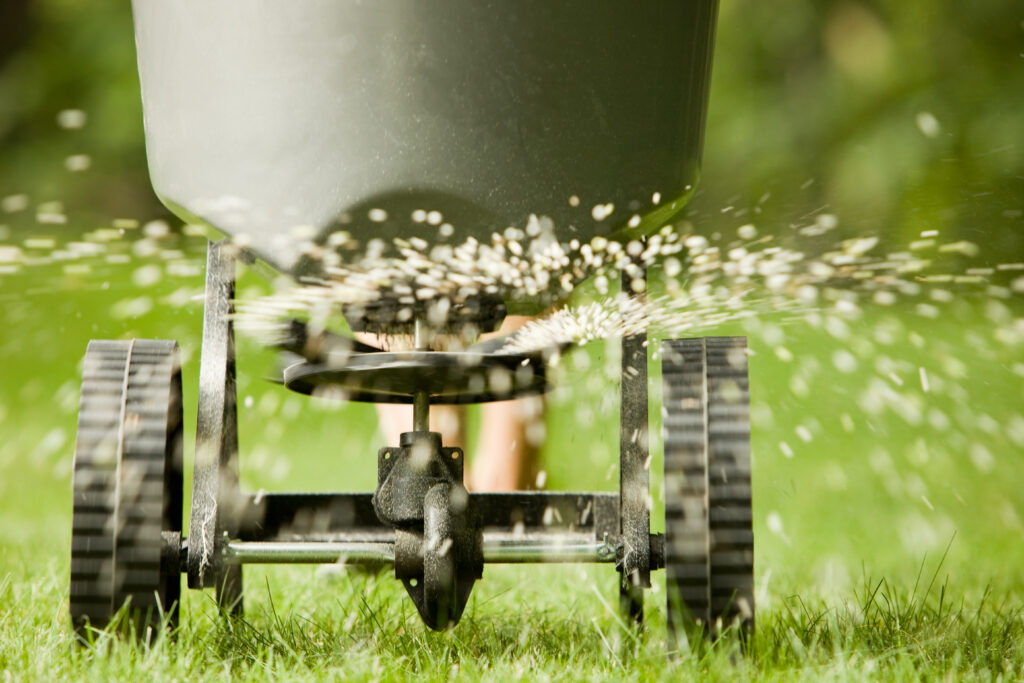
Pre-emergent herbicide application is your top priority. Pre-emergent creates a barrier in the soil that stops weed seeds from sprouting. Apply it before soil temperatures consistently reach 55 degrees. In the Raleigh-Greenville area, this typically means the first two weeks of February.
Fertilizer application should happen alongside your pre-emergent. Your lawn needs nutrients to break dormancy and start growing. Use a balanced fertilizer appropriate for your grass type.
Soil testing helps you understand exactly what your lawn needs. North Carolina soils vary widely in pH and nutrient levels. A soil test removes the guesswork from fertilization and amendment decisions. The ELITE program from Lawn Squad includes soil testing in Round 1 for this reason.
Phase 2: Mid-Spring (March)
March brings warmer temperatures and faster lawn growth. Your lawn is now actively growing and can handle more intensive treatments.
Second pre-emergent application provides continued protection against late-germinating weed seeds. One application rarely provides season-long control in our climate.
Broadleaf weed control targets weeds that have already emerged. Dandelions, clover, and other broadleaf weeds are easier to kill when they’re young and actively growing.
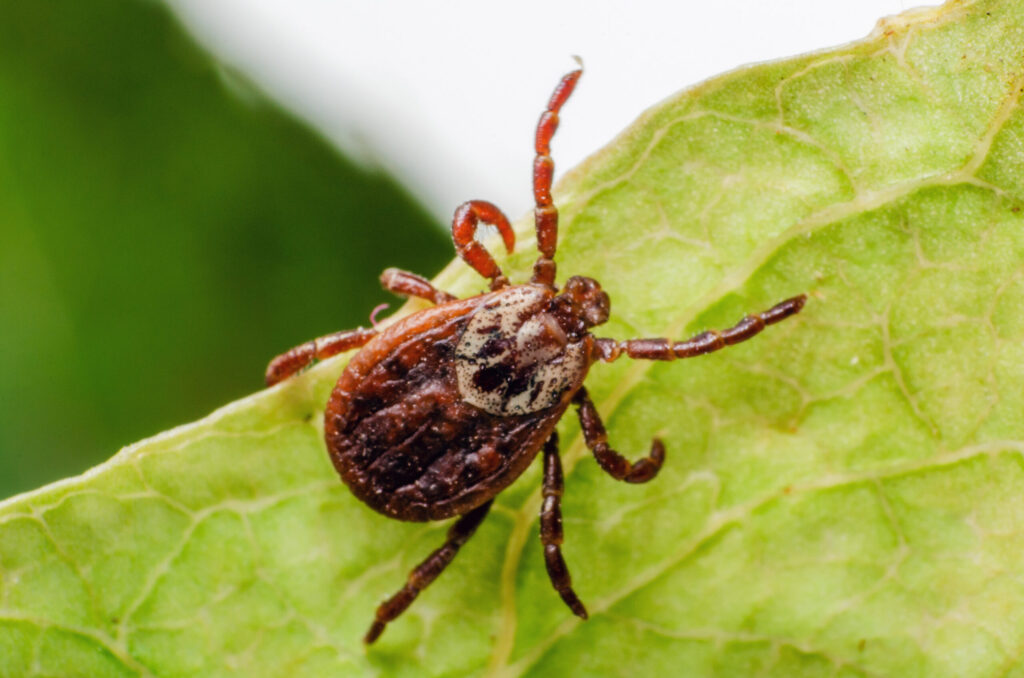
Surface insect control addresses pests that become active as temperatures rise. Fire ants, mole crickets, and chinch bugs can damage North Carolina lawns quickly if left unchecked.
Disease control prevents fungal problems that thrive in our humid spring weather. Brown patch and dollar spot can spread rapidly when conditions are right.
Phase 3: Late Spring (April)
April transitions your lawn from spring recovery into summer growth mode. The focus shifts to building strength and preventing summer problems.
Continued fertilization keeps your lawn growing vigorously. Healthy, thick grass naturally crowds out weeds and recovers faster from stress.
Grub prevention should start in late April or early May. Grub preventative products work best when applied before grubs hatch. Once grubs are actively feeding on grass roots, control becomes much more difficult and expensive.
Ongoing weed control catches any weeds that escaped earlier treatments. Consistent broadleaf weed control throughout spring dramatically reduces summer weed pressure.
Critical warning: Never apply pre-emergent herbicide if you plan to overseed within the next 60 to 90 days. Pre-emergent stops grass seeds from germinating just like weed seeds.
Lawn Squad’s program rounds are timed to address each of these phases at the right moment for the North Carolina climate.
Cool Season vs. Warm Season Lawn Care in North Carolina
North Carolina sits in the transition zone, meaning both cool season and warm season grasses grow here. Your grass type determines exactly when and how to perform spring care.
Cool Season Grasses (Fescue, Bluegrass)
Cool season grasses grow most actively in spring and fall when temperatures range from 60 to 75 degrees. Spring is a recovery period after winter stress.
March through April is prime growing time for cool season lawns. Focus on:
- Fertilization to support active growth
- Weed control while weeds are young
- Disease prevention as humidity increases
- Addressing any bare spots before summer heat arrives
Avoid heavy fertilization in late spring for cool season lawns. Pushing growth as temperatures climb stresses the grass heading into summer dormancy.
Warm Season Grasses (Bermuda, Zoysia, Centipede)
Warm season grasses stay dormant longer and don’t actively grow until soil temperatures reach 65 degrees consistently. In Eastern North Carolina, this typically happens in mid to late April.
Wait until green-up before heavy fertilization. Fertilizing dormant warm season grass wastes money and can encourage weed growth.
Pre-emergent timing remains the same regardless of grass type. Weeds don’t wait for your lawn to wake up.
Understanding Your Grass Type
If you’re not sure what type of grass you have, look at how it behaved last winter. Cool season grasses stay green (though growth slows) through mild winters. Warm season grasses turn completely brown and dormant.
You can also examine the grass blade itself. Fescue has wide, coarse blades. Bermuda has fine, wiry blades that spread by runners. Zoysia has medium-width blades with a dense, carpet-like growth pattern.
How to Calculate Your Lawn Size for Proper Treatment
Knowing your lawn’s square footage matters for proper product application. Too little product means poor results. Too much wastes money and can damage your lawn.
Step-by-step process:
- Measure your total lot in length times width
- Subtract the square footage of your house, driveway, patios, and garden beds
- The remaining number is your lawn’s approximate square footage
Example calculation:
- Total lot: 100 feet x 80 feet = 8,000 square feet
- House footprint: 1,800 square feet
- Driveway: 400 square feet
- Patio: 200 square feet
- Garden beds: 300 square feet
- Lawn size: 8,000 minus 2,700 = 5,300 square feet
Most residential lawns in the Raleigh-Greenville area fall between 5,000 and 15,000 square feet. Pricing for lawn care services typically follows these size ranges.
What About Aeration in Spring?
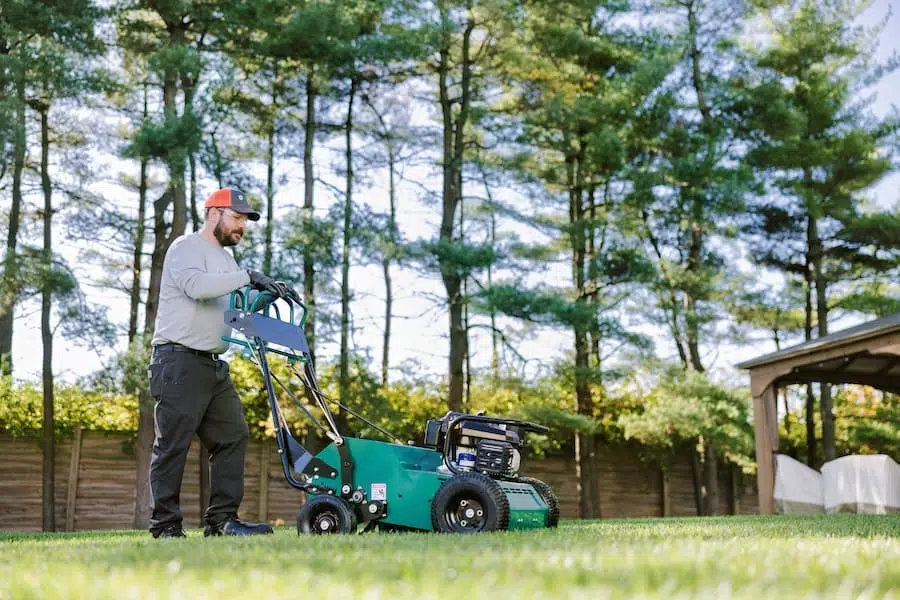
Aeration relieves soil compaction and helps water, air, and nutrients reach grass roots. It’s one of the most beneficial things you can do for a North Carolina lawn.
Spring aeration works well for warm season grasses that are actively growing. The lawn recovers quickly when grass is in its peak growth period.
For cool season grasses, fall aeration is generally preferred. Spring aeration can stress fescue and bluegrass right before the challenging summer months.
Important consideration: Spring aeration conflicts with pre-emergent herbicide. Aeration breaks up the chemical barrier that pre-emergent creates, reducing its effectiveness. If you need both services, aeration should come first, followed by pre-emergent application.
Lawn Squad includes aeration in the ELITE program during Rounds 4 through 7, timed to work with (not against) other treatments.
Common Spring Lawn Care Mistakes North Carolina Homeowners Make
After years of serving homeowners throughout Nash, Pitt, Franklin, Beaufort, Edgecombe, Wilson, Martin, Halifax, Wake, and Bertie counties, we’ve seen the same mistakes repeated over and over.
Mistake #1: Waiting too long to apply pre-emergent Many homeowners wait until they see weeds to take action. By then, it’s too late for pre-emergent to work. Crabgrass and other summer annuals germinate weeks before you notice them.
Mistake #2: Mowing too short in spring Cutting grass too low weakens the root system and invites weed invasion. Keep cool season grasses at 3 to 4 inches. Warm season grasses can go shorter, around 1.5 to 2.5 inches, depending on the variety.
Mistake #3: Over-fertilizing to “wake up” the lawn faster More fertilizer does not equal faster green-up. Excess nitrogen burns grass, runs off into waterways, and promotes disease. Follow product directions or rely on professionals who know proper application rates.
Mistake #4: Ignoring soil pH North Carolina soils often run acidic. When pH is too low, grass cannot absorb nutrients no matter how much you fertilize. A soil test reveals whether you need lime to raise pH or sulfur to lower it.
Mistake #5: Skipping treatments to save money Lawn care programs work as systems. Skipping rounds or treatments creates gaps that weeds and pests exploit. Fixing problems later costs more than preventing them.
DIY Spring Care vs. Professional Programs: Which Should You Choose?
DIY spring lawn care lets you control exactly what goes on your lawn and when. You save on labor costs and learn about your lawn’s specific needs. However, DIY requires research, proper equipment, storage space for products, and time on weekends. Best for: Homeowners who enjoy yard work, have small to medium lawns, and have time to learn proper techniques.
Professional lawn care programs remove the guesswork and time commitment. Trained technicians know local conditions, apply products correctly, and adjust treatments based on what they observe. The cost includes labor, products, and expertise. Best for: Busy homeowners, large properties, lawns with ongoing problems, and anyone who wants guaranteed results without the hassle.
Your Spring Lawn Care Calendar at a Glance
Early Spring (February)
| Week | What to Do | Details |
|---|---|---|
| Week 1-2 | Pre-emergent application | Apply before soil reaches 55 degrees |
| Week 1-2 | Fertilizer application | Balanced formula for spring green-up |
| Week 2-3 | Soil test | Know your pH and nutrient levels |
| Week 3-4 | Inspect for damage | Look for dead spots, disease, or pest damage |
Mid-Spring (March)
| Week | What to Do | Details |
|---|---|---|
| Week 1-2 | Second pre-emergent | Continue weed prevention barrier |
| Week 2-3 | Broadleaf weed control | Target dandelions, clover, and other visible weeds |
| Week 2-4 | Surface insect control | Treat for fire ants, chinch bugs, mole crickets |
| Week 3-4 | Disease control | Prevent fungal issues in humid conditions |
Late Spring (April)
| Week | What to Do | Details |
|---|---|---|
| Week 1-2 | Fertilization | Continue feeding actively growing grass |
| Week 2-3 | Grub prevention | Apply before grubs hatch |
| Week 2-4 | Weed control | Maintain broadleaf treatment |
| Week 3-4 | Insect control | Continue surface pest management |
The Bottom Line
Spring lawn care in North Carolina determines how your lawn performs all year long. Starting early with pre-emergent herbicide, fertilizing at the right times, and staying ahead of insects and disease builds a foundation for a healthy summer lawn.
Key principles to remember:
- Apply pre-emergent in early February before weeds germinate
- Match your care schedule to your grass type (cool season vs. warm season)
- Test your soil to know exactly what amendments you need
- Don’t skip treatments or wait until problems appear
- Consider professional help if your lawn has ongoing issues or your schedule is tight
Following these spring lawn care practices creates thick, healthy turf that naturally resists weeds, survives summer stress, and looks great from spring through fall.
Let Lawn Squad Handle It For You
Every North Carolina lawn is different. Soil conditions vary across Wake, Nash, Pitt, and Martin counties. Grass types differ from neighborhood to neighborhood. Pest pressure changes based on proximity to wooded areas and water features.
Lawn Squad’s programs account for all these variables. Our technicians know the Raleigh-Greenville area and adjust treatments based on what your specific lawn needs.
ELITE Program includes:
- Pre-emergent applications in Rounds 1, 2, and 6
- Fertilization in every round
- Broadleaf weed control starting in Round 2
- Surface insect control in Rounds 2 through 7
- Grub prevention in Rounds 3 and 4
- Disease control in Rounds 2, 4, 6, and 7
- Soil testing to customize your treatment plan
- Unlimited service calls if problems arise between visits
Tired of fighting weeds every summer? Frustrated with brown patches and bare spots? Ready to have a lawn that makes your neighbors jealous?
Contact Lawn Squad of North Raleigh-Greenville today at (984) 279-7215 or visit lawnsquad.com/contact-us to get a free quote and start your spring lawn care program before the weeds get ahead of you.