
The short answer: The best way to prep your North Dallas lawn for dry conditions is to start building drought tolerance 4 to 6 weeks before the heat arrives. This means deeper watering, higher mowing heights, and proper fertilization that strengthens roots instead of pushing top growth.
Most Prosper, Frisco, and Plano homeowners wait until their grass is already struggling to take action. By then, the damage is done and recovery takes months.
Quick overview:
- Spring prep (March through May): Focus on root development with proper fertilization and aeration
- Summer maintenance (June through August): Deep watering, higher mowing, and stress reduction
- Recovery mode (September through October): Rebuild damaged turf before winter dormancy
Keep reading to learn the exact steps that will help your lawn survive and even thrive during the driest North Texas summers.

The Complete Drought Prep Approach: Our 8 Round Program
At Lawn Squad of North Dallas Prosper, we have been helping homeowners across Collin and Denton counties prepare for Texas drought conditions since 2001. Our ELITE program is specifically designed to build lawn resilience before stress hits.
Drought preparation is not a single task. It is a year round process that starts with soil health and continues through proper fertilization timing, root stimulation, and strategic cultural practices like aeration.
Whether you tackle drought prep yourself or partner with our team, understanding what your lawn needs to survive dry conditions will help you make better decisions when the heat arrives.
Why Drought Prep Matters More Than Most North Dallas Homeowners Realize
Texas drought is not a matter of if but when. In Collin County, we regularly experience stretches of 20 or more days without rain during summer. Combine that with triple digit temperatures and water restrictions, and unprepared lawns simply cannot survive.
The damage from drought goes deeper than brown grass. Stressed turf becomes vulnerable to weed invasion, insect damage, and disease. A lawn that enters drought without proper preparation may take 6 to 12 months to fully recover, even after rain returns.
Our North Dallas clay soils make things worse. Clay compacts easily, which prevents water from reaching roots even when you do irrigate. Without aeration and soil amendments, water runs off instead of soaking in.
The good news is that lawns prepped correctly can handle 3 to 4 weeks of severe drought with minimal damage. The key is starting early and following a proven plan.
Spring Drought Prep Guide for North Dallas Lawns
Spring is your window to build the foundation for summer survival. The work you do in March, April, and May determines how your lawn handles July and August.
Step 1: Start with a Soil Test (Late Winter to Early Spring)
Before you can fix problems, you need to know what problems exist. A soil test reveals pH levels, nutrient deficiencies, and organic matter content. All of these affect how well your lawn handles stress.
Our ELITE program includes soil testing in Round 1, which starts in early January. This gives us time to address any issues before the growing season kicks into high gear.
If your soil pH is off, nutrients get locked up and unavailable to your grass even if you fertilize heavily. Correcting pH with lime or sulfur applications takes 60 to 90 days to show results, so spring is the time to act.
Step 2: Apply Pre Emergent and Early Fertilizer (February through March)
Pre emergent herbicide prevents summer weeds from getting established. Weeds compete with your grass for water, so keeping them out reduces drought stress on your turf.
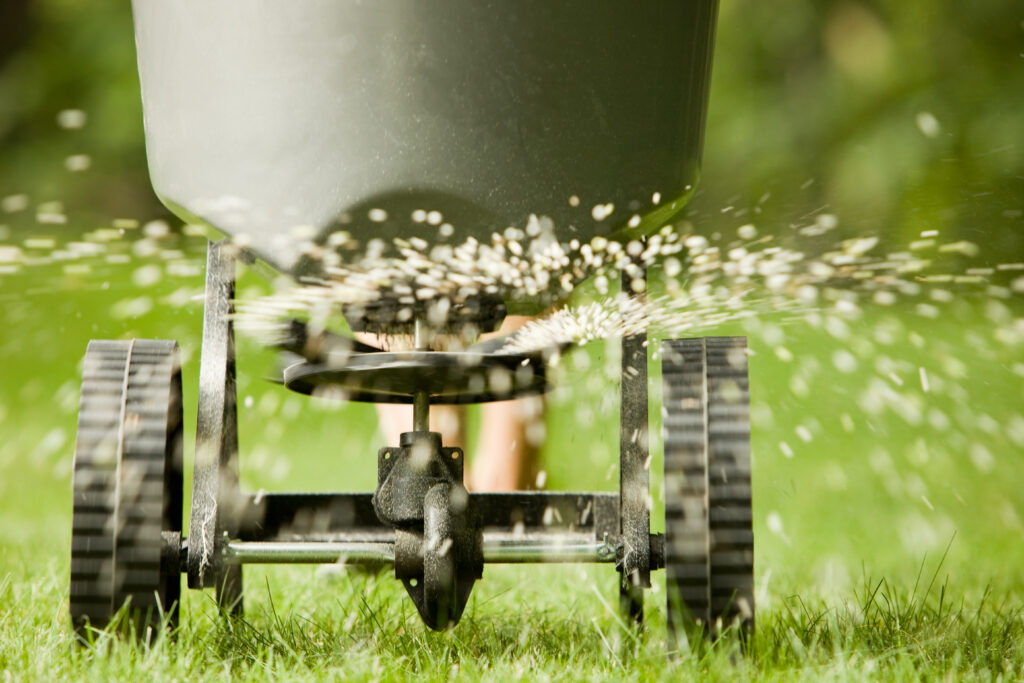
Early spring fertilizer should focus on slow release nitrogen that feeds roots without pushing excessive top growth. Fast release fertilizers create lush green grass that looks great but drinks water like crazy and wilts at the first sign of heat.
Our Round 2 treatment in mid February combines pre emergent with balanced fertilization designed for North Texas conditions.
Step 3: Aerate Compacted Soil (Late Spring)
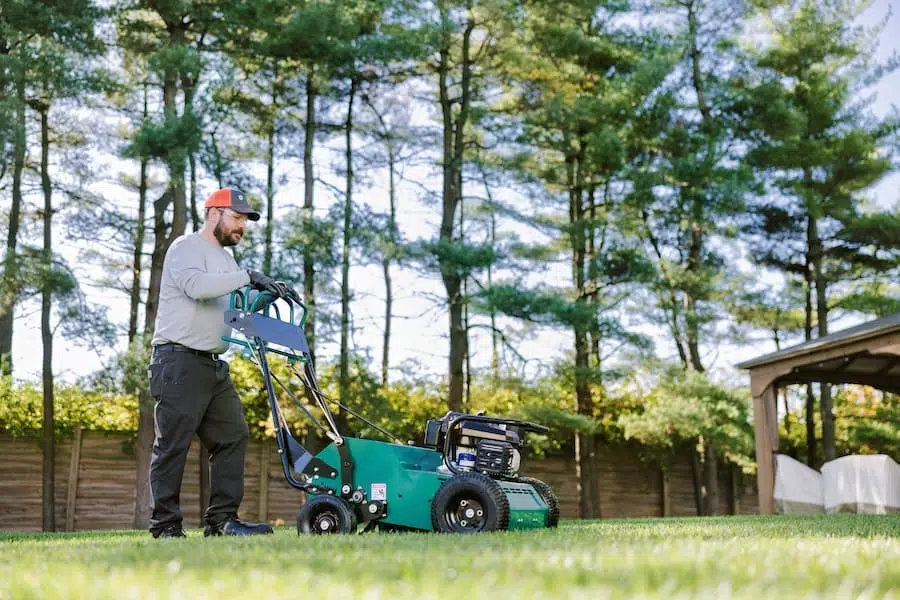
Aeration punches holes through compacted clay, allowing water and air to reach the root zone. In our Prosper and Frisco service area, most lawns benefit from aeration at least once per year.
The ELITE program includes summer aeration in Rounds 4, 5, and 6. This timing helps water penetrate deeper during the months when your lawn needs it most.
If you aerate yourself, rent a core aerator rather than a spike aerator. Core aeration removes plugs of soil, while spike aeration just pokes holes that can actually increase compaction around the edges.
Step 4: Build Root Mass with Proper Mowing
In spring, gradually raise your mowing height to 3 to 4 inches for St. Augustine or 2 to 3 inches for Bermuda. Taller grass shades the soil, reducing evaporation and keeping roots cooler.
Never remove more than one third of the blade height in a single mowing. Scalping your lawn in spring weakens the root system right when you need it strongest.
Critical warning: Many North Dallas homeowners cut their grass too short because they think it looks neater. Short grass has shallow roots that cannot reach water during drought. This single mistake causes more lawn failures than any other.
Summer Drought Survival Guide for North Dallas Lawns
Once summer heat arrives, your focus shifts from building strength to reducing stress. Every decision should help your lawn conserve energy and water.
Step 1: Water Deeply and Infrequently
During drought conditions, water your lawn 1 to 1.5 inches per week, delivered in two sessions. Deep watering encourages roots to grow down toward moisture instead of staying shallow near the surface.
Water between 4 AM and 10 AM to minimize evaporation. On our clay soils, you may need to use cycle and soak settings that water for 10 minutes, pause for 30 minutes, then water again. This prevents runoff on compacted ground.
Step 2: Raise Mowing Height Even Higher
During the hottest weeks, raise your mowing height by another half inch to one inch. The extra blade length provides more shade for roots and reduces water loss from the soil surface.
Keep your mower blades sharp. Dull blades tear grass instead of cutting it cleanly, which increases water loss from damaged leaf tips.
Step 3: Reduce Foot Traffic and Activity
Drought stressed grass cannot recover from damage the way healthy grass can. Limit foot traffic, keep pets off struggling areas, and avoid any unnecessary activity on your lawn during heat waves.
If you see footprints that stay visible after walking across your lawn, that grass is already stressed. Water immediately and stay off that area until it recovers.
What to Avoid: Fertilizing During Extreme Heat
If temperatures stay above 95 degrees for more than a week, hold off on fertilizer applications. Fertilizer pushes growth, and growth requires water. During severe drought, you want your lawn conserving resources, not spending them.
Our treatment schedule accounts for this. We time fertilizer applications to avoid the most extreme heat while still providing nutrients when your lawn can use them.
Step 4: Watch for Signs of Drought Stress
Learn to recognize early drought stress so you can respond before serious damage occurs. Signs include a bluish gray color instead of bright green, grass blades folding in half lengthwise, and footprints that remain visible for more than a few seconds.
At the first sign of stress, water deeply within 24 hours. Catching drought stress early prevents the browning and dormancy that takes weeks to reverse.
How to Calculate Your Lawn’s Water Needs
Understanding exactly how much water your lawn needs removes the guesswork from drought management. Here is how to figure it out.
Step by step process:
- Multiply your lawn’s square footage by 0.62 to get gallons needed per inch of water
- Check your water bill or meter to see how many gallons your sprinkler system uses per hour
- Divide gallons needed by gallons per hour to get total run time
- Split that run time across your zones based on their size
Practical example: A 10,000 square foot lawn needs about 6,200 gallons to apply one inch of water. If your irrigation system puts out 1,500 gallons per hour, you need roughly 4 hours of total run time per week, divided across all zones and split into two watering sessions.
What About Root Stimulant Treatments?
Root stimulant products help grass develop deeper, stronger root systems that can reach water even during drought. These treatments contain hormones and nutrients that specifically target root growth rather than leaf growth.
Our ELITE program includes root stimulant in Round 5, which falls in late June. This timing helps roots push deeper right as summer heat intensifies.
Root stimulants work best when combined with proper watering and aeration. The treatment opens the door for root growth, but your cultural practices determine whether roots actually take advantage of that opportunity.
We recommend root stimulant for any North Dallas lawn that has struggled with drought in previous years or sits on heavily compacted clay soil.
Common Drought Prep Mistakes North Dallas Homeowners Make
After 25 years of helping Prosper, Frisco, Plano, and Allen homeowners through Texas droughts, we have seen the same mistakes repeatedly. Avoid these and your lawn will handle dry conditions much better.
Mistake 1: Waiting Until Summer to Start Preparing
Drought tolerance is built over months, not days. Starting your prep work in July means your lawn enters stress already weakened. Begin in early spring for best results.
Mistake 2: Overwatering in Spring
Some homeowners figure they will “store up” water in the soil before drought hits. This actually weakens grass by keeping roots shallow and promoting fungal disease. Consistent deep watering beats flooding followed by neglect.
Mistake 3: Cutting Grass Too Short
Mowing low might give you that golf course look, but it devastates drought tolerance. Short grass has short roots that cannot reach water when the top few inches of soil dry out.
Mistake 4: Using Fast Release Fertilizer in Late Spring
Quick green up fertilizers push top growth that requires constant water to maintain. Slow release formulas build root mass and overall plant health without creating a water hungry lawn.
Mistake 5: Ignoring Soil Compaction
Compacted clay is the hidden killer of North Texas lawns. Water cannot penetrate, roots cannot grow, and grass slowly suffocates. Annual aeration is essential in our area.
Professional Lawn Care vs. DIY Drought Prep: Which Should You Choose?
DIY drought prep works well for homeowners who have time to monitor their lawn closely, understand soil science basics, and can adjust their approach based on changing conditions. You control the timing and save on service costs. Best for: Experienced gardeners with flexible schedules and smaller properties
Professional lawn care provides expertise, proper timing, and commercial grade products that homeowners cannot easily access. Programs like our ELITE plan take the guesswork out of drought prep by scheduling treatments based on local conditions. Best for: Busy homeowners, larger properties, and anyone who wants guaranteed results without the learning curve
Your North Dallas Drought Prep Calendar at a Glance
Spring Prep Phase (January through May)
| When | What to Do | Details |
|---|---|---|
| January | Soil test | Identify pH and nutrient issues |
| February | Pre emergent and fertilizer | Prevent weeds, feed roots |
| March | Begin raising mow height | Work up to 3 to 4 inches gradually |
| April | Monitor for early weeds | Spot treat any breakthroughs |
| May | First aeration | Break up compacted clay soil |
Summer Survival Phase (June through August)
| When | What to Do | Details |
|---|---|---|
| June | Root stimulant treatment | Build deeper root system |
| June through August | Deep watering twice weekly | 1 to 1.5 inches total per week |
| July | Raise mow height maximum | Add extra half inch during heat waves |
| August | Second aeration | Maintain water penetration |
| Ongoing | Monitor stress signs | Water immediately if grass shows distress |
The Bottom Line
Preparing your North Dallas lawn for dry Texas conditions is a process that starts months before drought arrives. The work you put in during spring determines whether your lawn survives or struggles when summer heat peaks.
Key principles to remember:
- Start drought prep in late winter or early spring, not when heat arrives
- Build root depth through proper fertilization, aeration, and deep watering
- Mow high to shade soil and reduce water loss
- Avoid fast release fertilizers that push water hungry top growth
- Address soil compaction with annual core aeration
Follow these guidelines and your Prosper, Frisco, or Plano lawn will handle even the driest Texas summers with minimal damage.
Let Lawn Squad Handle It For You
Every lawn in North Dallas faces different challenges. Soil composition, grass variety, irrigation efficiency, and property layout all affect how your specific yard responds to drought conditions.
Our lawn care programs are designed to build drought tolerance through proper timing, professional grade products, and treatments matched to North Texas conditions.
ELITE Program includes:
- Soil testing to identify underlying issues affecting water absorption
- Root stimulant applications to improve drought tolerance
- Summer aeration in Rounds 4, 5, and 6 for better water penetration
- Disease control to protect stressed turf from opportunistic infections
- 14 treatments across 8 rounds for complete year round protection
Tired of watching your lawn turn brown every summer while your neighbor’s stays green? Frustrated with trial and error approaches that never seem to work?
Contact Lawn Squad of North Dallas Prosper today at 469-817-7291 or visit our website to get a free quote and give your lawn the drought protection it deserves.