The short answer: Aeration is essential for Aurora lawns because our heavy clay soil compacts easily and prevents water, air, and nutrients from reaching grass roots. Core aeration removes small plugs of soil to create channels that let your lawn breathe and absorb what it needs to thrive.
Most Aurora lawns benefit from annual aeration in early fall when grass is actively growing and can recover quickly. Lawns with severe compaction or heavy foot traffic may need aeration twice per year.
Quick overview:
Light Compaction: Aerate once per year in early fall
Moderate Compaction: Aerate twice per year in spring and fall
Severe Compaction or New Construction: Aerate two to three times per year until soil structure improves
Keep reading to learn how to tell if your Aurora lawn needs aeration and how to get the best results from this essential service.
The Complete Aeration Approach: Our Professional Core Aeration Program
Our Core Aeration Program gives Aurora homeowners a proven solution for the compacted clay soil that plagues lawns throughout our area. This program combines properly timed core aeration with overseeding and follow up care to transform struggling lawns.
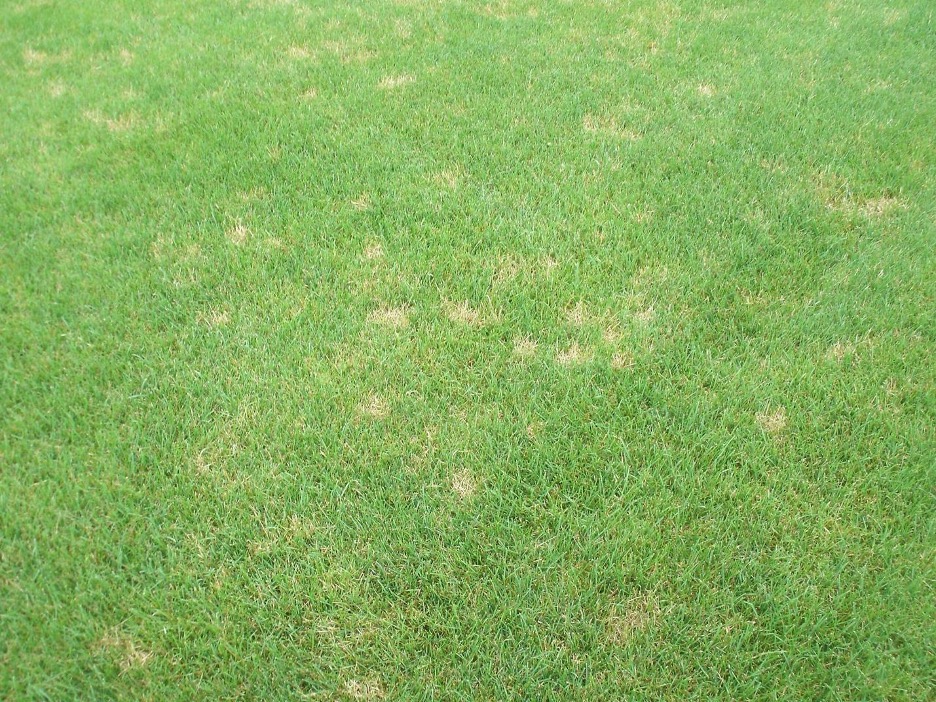
What makes this approach effective is that it addresses the root cause of most Aurora lawn problems. Thin grass, brown patches, water runoff, and weed invasions often trace back to compacted soil that standard watering and fertilizing cannot fix.
Whether you aerate your lawn yourself or hire professionals, understanding how compaction affects grass helps you recognize problems early and choose the right solutions.
Why Aeration Matters More Than Most Aurora Homeowners Realize
Aurora sits on some of the heaviest clay soil in the region. This clay compacts under foot traffic, lawn equipment, and even normal settling over time. Compacted soil squeezes out the tiny air spaces that roots need to grow and function.
Here’s what happens when compaction goes unaddressed. Water pools on the surface or runs off instead of soaking in. Roots stay shallow because they cannot push through dense soil. Fertilizer sits on top where it washes away or burns grass. Grass thins out and weeds move into the bare spots. Heat stress increases because shallow roots cannot reach deeper moisture.
The key principle Aurora homeowners need to understand is this: you can water perfectly, fertilize on schedule, and mow at the right height, but if your soil is compacted, your lawn will still struggle. Compaction is the hidden problem behind many visible lawn issues.
Aurora’s clay soil makes this worse than in areas with sandy or loamy soil. Clay particles are tiny and pack together tightly. Once compacted, clay soil rarely loosens on its own. Without mechanical intervention through aeration, the problem only gets worse year after year.
Core Aeration Guide for Aurora Lawns
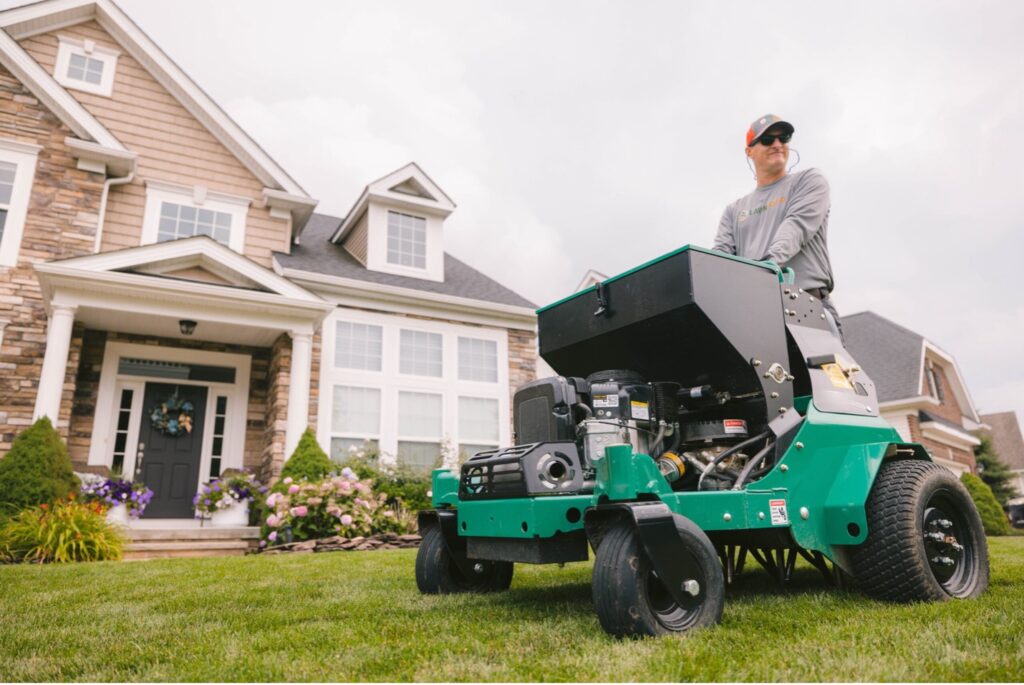

Core aeration is the gold standard for relieving soil compaction. Machines called core aerators pull small plugs of soil out of the ground, leaving holes that allow air, water, and nutrients to penetrate.
Step 1: Choose the Right Time (Early Fall is Best)
Schedule core aeration for early September through mid October in Aurora. This timing aligns with the fall growth surge when cool season grasses recover quickly and fill in the holes.
Spring aeration works as a second choice but comes with drawbacks. Disturbing soil in spring can bring weed seeds to the surface right when they’re ready to germinate.
This timing matters because grass needs four to six weeks of active growth after aeration to recover fully. Fall provides this recovery window plus the benefit of cooler temperatures that reduce stress.
Step 2: Prepare Your Lawn Properly
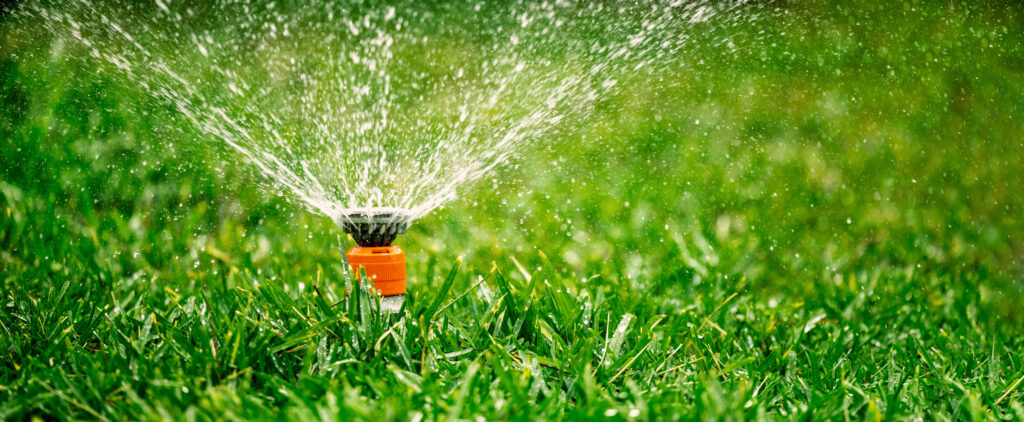
Water your lawn thoroughly one to two days before aeration. Soil should be moist but not soggy. Dry, hard clay is difficult to penetrate and produces poor results.
Mark sprinkler heads, shallow irrigation lines, and any buried utilities. Aeration tines can damage these if you don’t know where they are.
Mow your lawn slightly shorter than normal before aeration. This helps the aerator work more effectively and makes cleanup easier.
Step 3: Aerate with Proper Technique
Make two passes over your lawn in perpendicular directions. This creates more holes and ensures complete coverage.
Aim for 20 to 40 holes per square foot. Professional aerators achieve this density, while rental machines may require additional passes.
Focus extra attention on high traffic areas, slopes where water runs off, and spots where grass grows poorly. These areas typically have the worst compaction.
Step 4: Leave the Plugs on the Lawn
Do not rake up the soil plugs. They break down within two to three weeks and return valuable organic matter and microorganisms to your lawn.
The plugs look messy at first but disappear quickly with rain or irrigation. Running a mower over them after they dry speeds up the breakdown process.
Removing plugs wastes the soil improvement benefits of aeration and creates unnecessary work.
Critical warning: Do not aerate during drought stress or when temperatures exceed 85 degrees. Stressed grass cannot recover from aeration and may be damaged further.
Our Core Aeration Program includes professional grade equipment that pulls deeper plugs at optimal spacing for Aurora’s heavy clay soil.
Liquid Aeration Guide for Aurora Lawns
Liquid aeration products claim to loosen soil without mechanical coring. These products contain soil conditioners that are supposed to break apart compacted particles.
Step 1: Understand What Liquid Aeration Actually Does
Liquid aeration products typically contain humic acid, surfactants, or other compounds that improve soil structure over time. They work differently than core aeration.
These products may help water penetrate better and support soil biology. They do not create physical channels through compacted soil like core aeration does.
Think of liquid aeration as a soil health supplement rather than a replacement for mechanical aeration.
Step 2: Apply According to Label Directions
Most liquid aeration products attach to a garden hose for application. Apply evenly across your entire lawn following the product’s coverage rate.
Water lightly after application to move the product into the soil. Avoid heavy irrigation that would wash the product away.
Results Guidance: Set Realistic Expectations
Liquid aeration works slowly over months or years of repeated applications. You will not see the immediate improvement that core aeration provides.
For Aurora’s heavy clay soil, liquid aeration alone is usually not enough. The severe compaction common in our area requires the physical soil removal that only core aeration provides.
Consider liquid aeration as a supplement between core aeration treatments rather than a replacement for them.
Step 3: Combine with Core Aeration for Best Results
The most effective approach uses both methods. Core aeration creates immediate channels for air and water. Liquid aeration products applied afterward help improve overall soil structure between mechanical treatments.
Apply liquid aeration products two to four weeks after core aeration when the holes have started to close but soil is still receptive.
How to Tell If Your Aurora Lawn Needs Aeration
Recognizing compaction signs helps you know when aeration is needed.
Step by step assessment:
- Push a screwdriver or soil probe into your lawn after watering. If it takes significant force to push six inches deep, your soil is compacted.
- Dig a small section of grass and examine the roots. Healthy roots should extend four to six inches deep. Shallow roots indicate compaction preventing downward growth.
- Watch how water behaves during irrigation. Pooling or runoff on flat areas signals compacted soil that cannot absorb water.
- Check for heavy thatch buildup. Compacted soil slows the natural breakdown of thatch, causing it to accumulate.
If your screwdriver meets resistance within the first two to three inches, your lawn definitely needs aeration. Aurora lawns on clay soil typically show this sign after just one to two years without treatment.
What About Overseeding After Aeration?
Aeration creates the perfect opportunity to thicken your lawn through overseeding. The holes provide ideal seed to soil contact that dramatically improves germination rates.
Fall aeration followed by immediate overseeding is the single most effective way to improve a thin Aurora lawn. Seeds fall into the aeration holes where they stay moist and protected while establishing roots.
We recommend overseeding with grass varieties suited to Aurora’s climate immediately after aeration. The combination transforms patchy lawns within one growing season.
Our Core Aeration Program includes overseeding options with premium grass seed blends selected specifically for Aurora conditions.
Common Aeration Mistakes Aurora Homeowners Make
After aerating thousands of Aurora lawns, we see these same errors repeatedly.
Mistake #1: Aerating at the Wrong Time Homeowners aerate in summer when it’s convenient, but heat stressed grass cannot recover. Fall aeration produces far better results than any other season.
Mistake #2: Using Spike Aerators Instead of Core Aerators Spike aerators poke holes without removing soil. This actually increases compaction around each hole. Only core aeration that removes plugs truly relieves compaction.
Mistake #3: Aerating Dry Soil Rock hard clay soil resists aeration equipment and produces shallow, ineffective holes. Watering one to two days before makes a huge difference in results.
Mistake #4: Raking Up the Plugs People think the plugs look messy and rake them away. This removes beneficial soil and organic matter that should return to the lawn.
Mistake #5: Expecting One Treatment to Fix Years of Compaction Severely compacted Aurora lawns need multiple aerations over two to three years to fully restore soil structure. One treatment helps but rarely solves deep compaction problems.
Core Aeration vs. Spike Aeration: Which Should You Choose?
Core Aeration removes actual plugs of soil, creating space for compacted soil to expand into. The plugs break down and add organic matter back to the lawn. This method truly relieves compaction. Best for: All Aurora lawns, especially those with heavy clay soil, severe compaction, or thin grass
Spike Aeration pokes holes without removing soil. While this temporarily allows some water penetration, the soil around each hole actually becomes more compacted. Results are minimal and short lived. Best for: Very light compaction in sandy soils only. Not recommended for Aurora’s clay conditions.
For Aurora homeowners, core aeration is the only method worth the time and money. Spike aeration provides almost no benefit in our heavy clay soil.
Your Aeration Schedule at a Glance
Standard Maintenance (Established Lawns in Good Condition)
| When | What to Do | Details |
|---|---|---|
| Early September | Core aeration | Two passes in perpendicular directions |
| Immediately After | Overseed if desired | Apply seed directly over aerated lawn |
| Following Week | Light fertilization | Starter fertilizer if overseeding |
| Two to Three Weeks | Resume normal mowing | Plugs should be broken down |
Recovery Program (Compacted or Struggling Lawns)
| When | What to Do | Details |
|---|---|---|
| Early May | Spring core aeration | Address severe compaction |
| Early September | Fall core aeration | Primary treatment with overseeding |
| Year Two | Evaluate and continue | Repeat until soil structure improves |
Signs Your Aeration Worked
After proper core aeration, you should notice these improvements within four to eight weeks.
Water absorption: Irrigation soaks in instead of pooling or running off
Root depth: Grass roots begin growing deeper into loosened soil
Color improvement: Better nutrient uptake leads to darker green grass
Thatch reduction: Increased microbial activity breaks down thatch faster
Overall density: Grass fills in thin spots as roots spread more easily
If you don’t notice these improvements after fall aeration, your compaction may be severe enough to require a second treatment in spring.
The Bottom Line
Aeration is not optional for Aurora lawns growing in clay soil. Without regular core aeration, compaction progressively worsens until grass cannot survive no matter how well you water and fertilize.
Key principles to remember:
Core aeration is the only method that truly relieves compaction in clay soil
Fall timing produces the best results with fastest recovery
Leave soil plugs on the lawn to break down naturally
Combine aeration with overseeding for maximum lawn improvement
Severely compacted lawns need multiple treatments over several years
Following these guidelines consistently will give you a lawn that actually responds to your watering and fertilizing efforts instead of struggling despite your best care.
Let Us Handle It For You
Every Aurora lawn has different compaction levels based on soil composition, traffic patterns, age of the property, and maintenance history. A lawn on new construction clay fill has very different needs than an established lawn with decades of organic matter buildup.
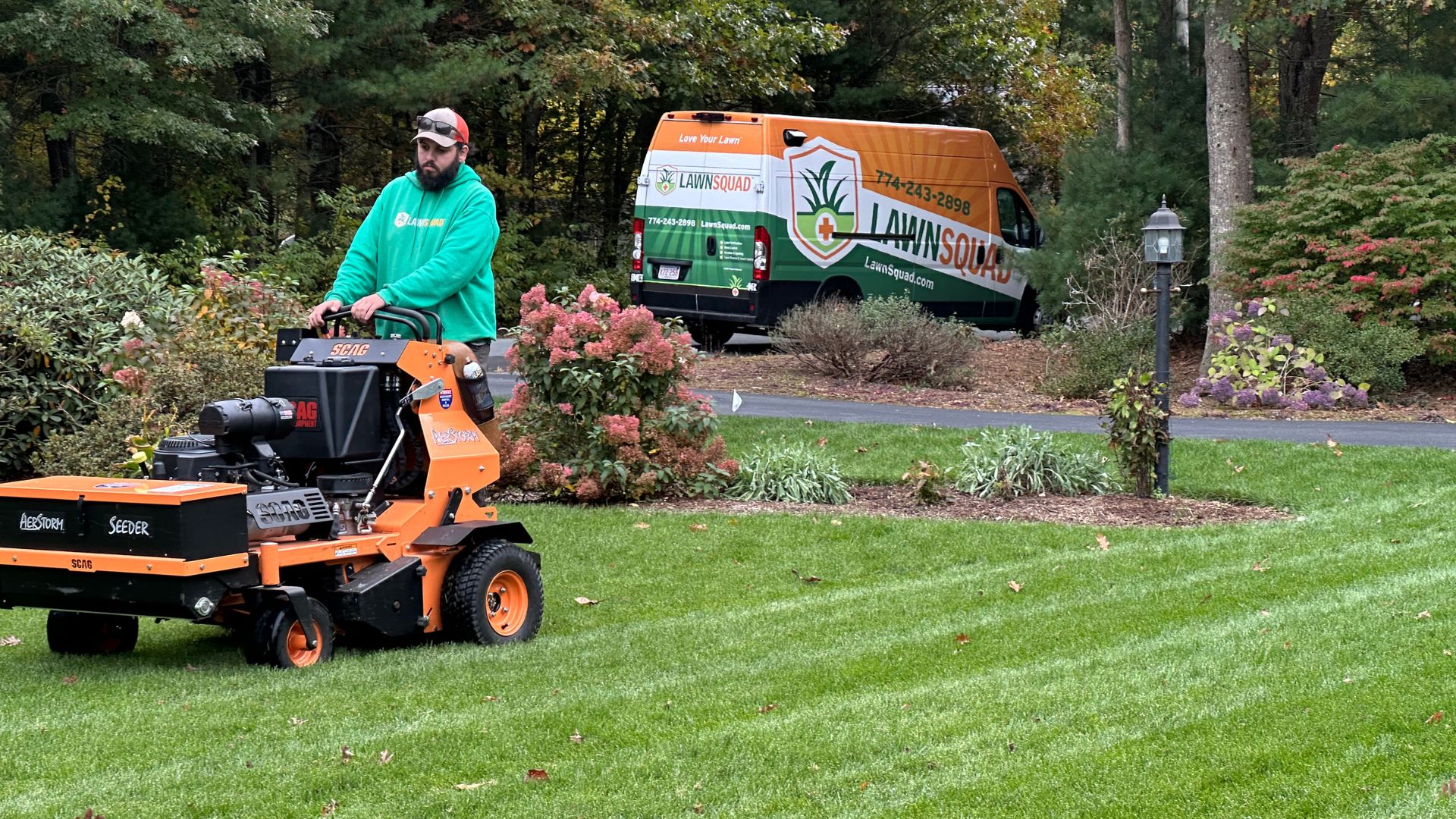
Our Core Aeration Program addresses your lawn’s specific compaction issues with professional equipment and expertise.
Core Aeration Program includes:
Professional grade equipment that pulls deeper plugs than rental machines
Optimal plug spacing of 20 to 40 holes per square foot
Two pass coverage pattern for complete treatment
Premium overseeding options with Aurora adapted grass varieties
We know Aurora homeowners are frustrated when their lawns don’t respond to watering and fertilizing. Often the problem isn’t what you’re putting on your lawn but what’s preventing it from reaching the roots. Our aeration program solves the hidden compaction problem that holds most Aurora lawns back.
Contact us today to schedule your core aeration before the fall treatment window closes.