The short answer: Keeping a Houston lawn green all year requires understanding that our warm season grasses naturally go dormant and turn brown in winter. The key to year-round color is a combination of proper fertilization timing, correct watering practices, disease prevention, and accepting that some seasonal browning is normal and healthy.
True year-round green is possible but requires either overseeding with cool season grass in fall or maintaining your warm season grass at peak health so it stays green longer into winter and greens up faster in spring.
Quick overview:
- Spring green-up: Fertilize in February to fuel faster recovery from dormancy
- Summer maintenance: Proper watering and disease prevention keep grass green during heat stress
- Fall preparation: September fertilization and pre-emergent build strength for winter
- Winter color: Accept natural dormancy or overseed with ryegrass for temporary green
Read on to learn the specific steps that keep West Houston lawns looking their best in every season.
The Complete Year-Round Lawn Care Approach: Lawn Squad’s Seasonal Program
At Lawn Squad of West Houston, we’ve designed our treatment programs around the natural cycle of warm season grasses in our climate. Our ELITE program includes 14 treatments across 13 visits, with each round timed to address what your lawn needs in that specific season.
What makes this approach work is consistency. Your lawn’s needs change throughout the year, and treatments that help in April can actually hurt in August. A year-round program adjusts fertilizer rates, adds disease control when needed, and addresses seasonal challenges like summer insects and winter weed pressure.
Whether you manage your lawn yourself or hire a professional, understanding the seasonal rhythm of Houston lawns will help you make better decisions all year long.
Why Year-Round Care Matters More Than Most Houston Homeowners Realize
Many homeowners think about lawn care only when problems appear. A brown patch in July or weeds in March triggers a trip to the hardware store for a quick fix. This reactive approach costs more money and delivers worse results than consistent year-round care.
Here’s what happens with inconsistent care: Skipping spring fertilization means weak grass that can’t compete with weeds. Missing summer disease prevention leads to brown patches that don’t recover until fall. Ignoring fall pre-emergent creates a winter weed explosion that chokes out grass the following spring.
The key principle to understand is this: what you do (or don’t do) in one season affects your lawn for the next two or three seasons. A lawn neglected in fall struggles through winter and takes longer to green up in spring. A lawn stressed by summer disease enters dormancy weaker and may not survive a harsh winter.
Houston’s climate gives us a long growing season, which is both an opportunity and a challenge. We can grow grass for nine or ten months of the year, but that also means nine or ten months of potential problems if we’re not staying ahead of them.
Spring Lawn Care: Fueling the Green-Up (January through April)
Spring is when your lawn wakes up from winter dormancy. What you do in these months sets the tone for the entire year.
Round 1: January (Starting January 5)
Your lawn is still dormant, but the work starts now. January is the time for pre-emergent herbicide to stop spring weeds before they germinate.
Apply pre-emergent before soil temperatures reach 55 degrees consistently. In West Houston, this means early January applications. Crabgrass and other spring weeds are already preparing to sprout; you need to stop them first.
Lawn Squad’s ELITE program also includes a soil test in Round 1. Knowing your soil’s pH and nutrient levels helps customize treatments for the rest of the year.
Round 2: February (Starting February 16)
February brings the first fertilizer application of the year. This feeding fuels your lawn’s transition out of dormancy and into active growth.
Combine fertilizer with a second pre-emergent application to extend weed protection through spring. Add broadleaf weed control to eliminate any winter weeds like henbit and chickweed that established in fall.
This is when you’ll start seeing green. St. Augustine and Bermuda grasses begin growing once soil temperatures stay above 65 degrees. Proper fertilization now means faster, thicker green-up.
Round 3: Late March (Starting March 30)
By late March, your lawn should be actively growing. This round adds surface insect control and disease prevention to protect the new growth.
Fire ant and mole cricket prevention in the ELITE program starts now, before these pests become visible problems. Disease control begins as humidity rises and temperatures warm.
Critical spring tip: Don’t rush to fertilize too early. Fertilizing dormant grass wastes product and can encourage weed growth before your lawn is ready to compete. Wait until you see consistent green-up before heavy feeding.
Summer Lawn Care: Maintaining Color Under Stress (May through August)
Summer is the most challenging season for Houston lawns. Heat, humidity, drought, insects, and disease all attack at once. Your goal is keeping grass green and healthy despite the stress.
Round 4: May (Starting May 11)
May marks the transition into full summer mode. This round includes fertilizer, surface insect control, sedge suppression, disease control, and aeration in the ELITE program.
Iron (FE) treatment addresses summer yellowing that occurs even in well-fertilized lawns. Houston’s alkaline soils often lock up iron, causing grass to yellow despite adequate nitrogen.
Summer aeration begins this round, helping compacted clay soils absorb water and nutrients more efficiently.
Round 5: June (Starting June 22)
June brings peak heat and the highest water demands of the year. Root stimulant in the ELITE program helps grass develop deeper roots that access water during drought stress.
Continue sedge suppression for nutsedge control and surface insect treatment for chinch bugs, which become most active now.
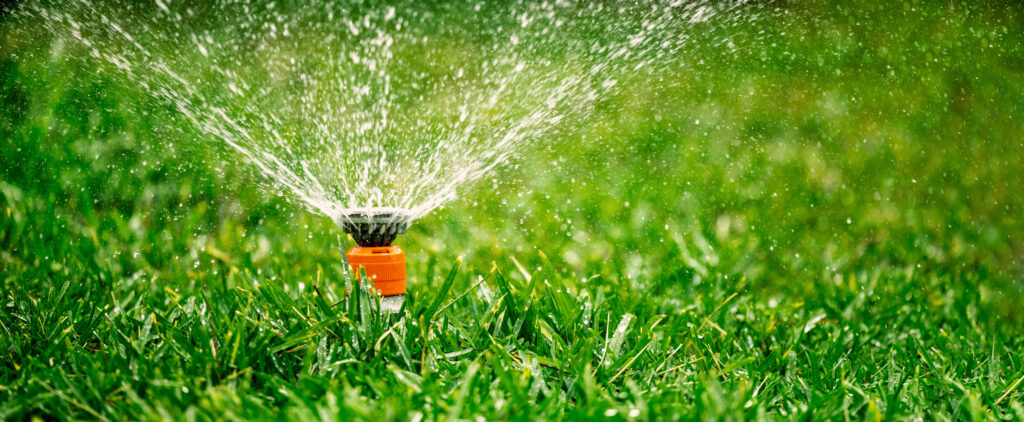
Summer watering strategy: Your lawn needs 1 to 1.5 inches of water per week during summer. Water deeply two to three times per week rather than lightly every day. Always water before 10 AM to allow grass to dry before evening.
Round 6: August (Starting August 3)
August is survival month. Temperatures peak, afternoon thunderstorms create humidity, and disease pressure reaches its highest point.
Disease control in this round targets brown patch and gray leaf spot, which spread rapidly in August conditions. Continue surface insect control and sedge suppression.
Don’t panic about summer stress: Some browning during extreme heat is normal, even for well-maintained lawns. Grass may go semi-dormant during the hottest weeks. This is a survival mechanism, not a sign of failure. It will recover when temperatures moderate.
Fall Lawn Care: Building Strength for Winter (September through November)
Fall is recovery and preparation season. Your lawn recovers from summer stress while building the strength it needs to survive winter and green up quickly next spring.
Round 7: September (Starting September 14)
September brings the final pre-emergent application of the year, targeting winter annual weeds like henbit, chickweed, and annual bluegrass that germinate in fall.
Fertilization continues to help grass recover from summer stress. Disease control addresses fall activity of take-all root rot, which becomes more active as soil temperatures drop into its preferred range.
This is the most important fertilization of the year for winter hardiness. Grass that enters winter well-fed survives cold snaps better and greens up faster in spring.
Round 8: October (Starting October 26)
The final treatment round focuses on broadleaf weed control to eliminate any weeds that broke through fall pre-emergent.
By late October, growth slows significantly. This is your last chance to address problems before winter dormancy sets in.
November Preparation
Gradually reduce watering as temperatures cool and growth slows. Dormant grass needs much less water than actively growing turf.
Raise your mower slightly for the last few cuts of the season. Slightly taller grass going into winter protects the crown of the plant from cold damage.
Winter Lawn Care: Managing Dormancy (December through February)
Houston winters are mild compared to northern states, but our warm season grasses still go dormant. Understanding dormancy helps you maintain realistic expectations and avoid costly mistakes.
What Dormancy Looks Like
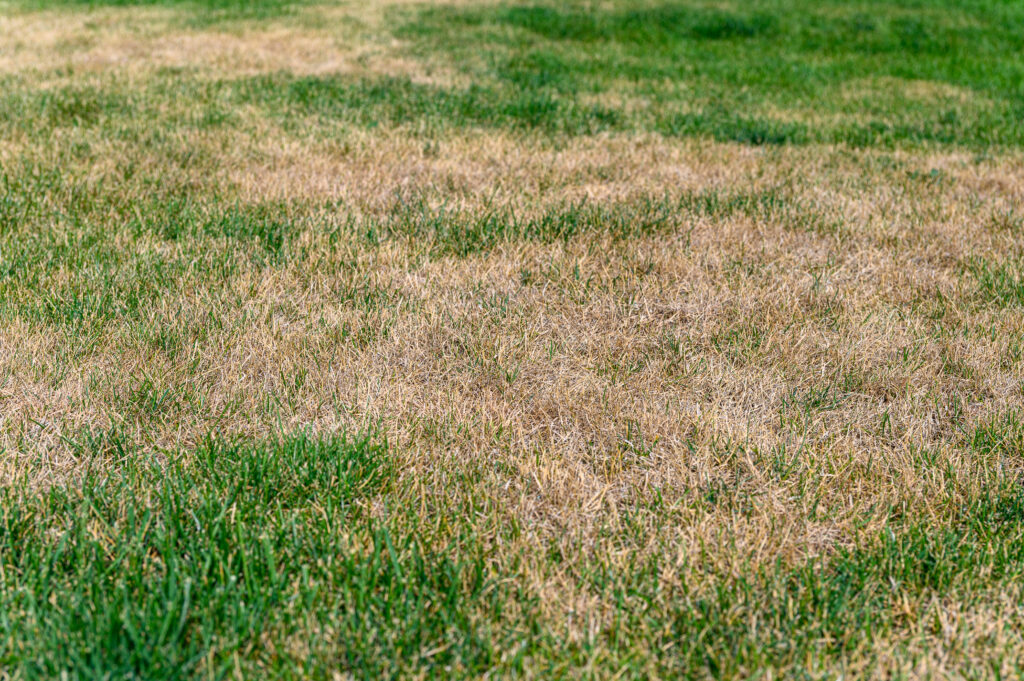
St. Augustine, Bermuda, and Zoysia grasses turn tan or brown when soil temperatures drop below 55 degrees consistently. This is normal and healthy. The grass isn’t dead; it’s conserving energy until spring.
Dormancy typically begins in late November or December and lasts through February, depending on winter temperatures. Mild winters may see grass stay partially green; cold winters bring full dormancy.
Winter Watering
Dormant grass still needs occasional water, especially during dry winters. Water once every two to three weeks if no rain falls, just enough to keep roots alive.
Avoid overwatering dormant lawns. Excess moisture promotes winter fungal diseases and root rot.
Winter Weed Control
Weeds don’t go dormant like your grass does. Winter annual weeds germinate in fall and grow actively through winter, taking advantage of your lawn’s dormancy.
If you applied fall pre-emergent correctly, winter weed pressure should be minimal. Spot-treat any breakthrough weeds with broadleaf herbicide on warm days (above 50 degrees) when weeds are actively growing.
The Overseeding Option
For homeowners who want green grass all winter, overseeding with perennial ryegrass is an option. Ryegrass is a cool season grass that thrives when warm season grasses go dormant.
How it works: Apply ryegrass seed in October after warm season grass growth slows. The ryegrass germinates, grows through winter, and dies in late spring when temperatures rise and your permanent lawn takes over.
Important trade-offs: Overseeding requires skipping fall pre-emergent (which conflicts with seed germination), additional watering during establishment, and acceptance that the ryegrass will die and look patchy in late spring. It also adds cost for seed each year.
Lawn Squad can advise whether overseeding makes sense for your property. For most West Houston homeowners, accepting natural dormancy and focusing on faster spring green-up provides better results with less hassle.
How to Measure Your Lawn’s Health Throughout the Year
Tracking your lawn’s condition helps you catch problems early and see improvement over time.
Monthly assessment checklist:
- Walk your entire lawn and note any brown patches, thin areas, or weed concentrations
- Check grass color (should be consistent; yellowing indicates nutrient deficiency or disease)
- Pull on grass in suspicious areas (if it pulls up easily, suspect disease or insect damage)
- Look for insect activity near driveways and sunny areas
- Note how quickly water absorbs (pooling indicates compaction)
Keep a simple log or take photos each month. Comparing July to July across years shows whether your lawn care program is working.
Common Mistakes That Prevent Year-Round Green
After serving West Houston since 2001, we’ve seen these mistakes keep lawns from reaching their potential.
Mistake #1: Fertilizing at the Wrong Time Fertilizing dormant grass in December wastes money and feeds winter weeds instead of your lawn. Fertilizing during August heat stress can burn grass. Follow the seasonal schedule.
Mistake #2: Inconsistent Watering Alternating between drought stress and overwatering shocks grass and invites disease. Establish a consistent watering schedule and adjust gradually for seasonal changes.
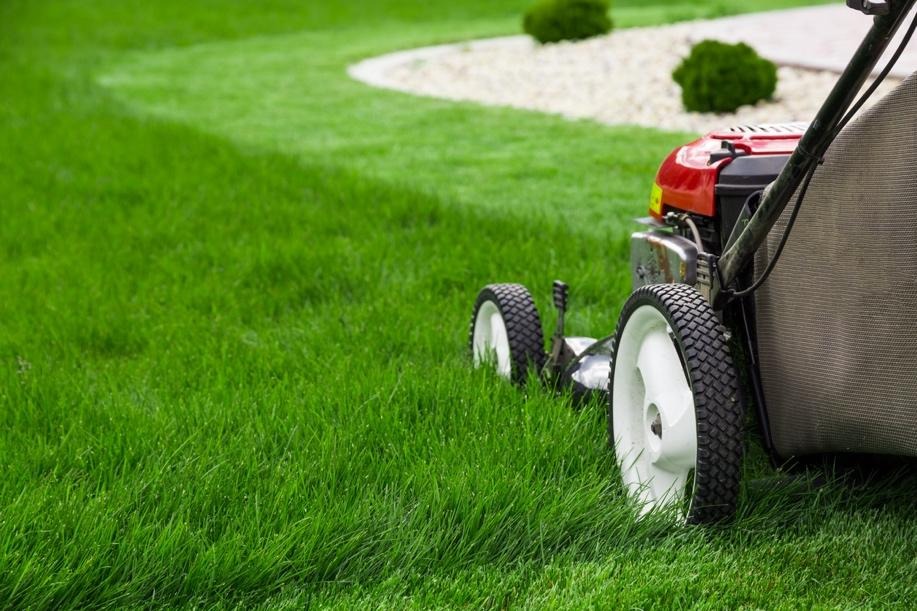
Mistake #3: Mowing Too Short Scalping the lawn in any season stresses grass and invites weeds. Keep St. Augustine at 3.5 to 4 inches year-round. Bermuda can go shorter (1.5 to 2 inches) but still shouldn’t be scalped.
Mistake #4: Skipping Fall Treatments Fall feels like the end of lawn season, but it’s actually preparation season. Skipping September pre-emergent and fertilization leads to winter weed problems and slow spring green-up.
Mistake #5: Panicking During Dormancy Brown grass in January is normal for warm season lawns. Homeowners who try to “wake up” dormant grass with extra water or fertilizer often cause more harm than good. Be patient.
Seasonal Care vs. Year-Round Programs: Which Approach Is Right?
Seasonal DIY care lets you address problems as they appear and skip treatments when your lawn looks good. This approach costs less in easy years but can result in bigger problems when issues are missed or treatments are mistimed. Best for: Experienced homeowners with healthy lawns and time to monitor conditions closely.
Year-round professional programs provide consistent treatment regardless of how the lawn looks at any given moment. Prevention happens on schedule, problems are caught early, and results compound over time as soil health improves and weed seed banks deplete. Best for: Homeowners who want reliable results without the guesswork, those frustrated by recurring problems, and anyone who values their time.
Your Year-Round Houston Lawn Care Calendar at a Glance
Seasonal Overview
| Season | Primary Goals | Key Treatments |
|---|---|---|
| Spring (Jan to Apr) | Green-up, weed prevention | Pre-emergent, fertilizer, broadleaf control |
| Summer (May to Aug) | Maintain color, prevent damage | Fertilizer, insect control, disease control, aeration |
| Fall (Sep to Nov) | Recovery, winter prep | Pre-emergent, fertilizer, weed control |
| Winter (Dec to Feb) | Manage dormancy | Minimal water, spot weed control |
ELITE Program Annual Schedule
| Round | Timing | Key Services |
|---|---|---|
| 1 | January 5, 2026 | Pre-emergent, broadleaf weed control, soil test |
| 2 | February 16, 2026 | Pre-emergent, fertilizer, broadleaf weed control |
| 3 | March 30, 2026 | Fertilizer, broadleaf weed control, surface insect control, fire ant prevention, disease control |
| 4 | May 11, 2026 | Fertilizer, broadleaf weed control, surface insect control, sedge suppression, iron treatment, disease control, aeration |
| 5 | June 22, 2026 | Fertilizer, root stimulant, broadleaf weed control, surface insect control, sedge suppression, aeration |
| 6 | August 3, 2026 | Fertilizer, broadleaf weed control, surface insect control, sedge suppression, disease control, aeration |
| 7 | September 14, 2026 | Pre-emergent, fertilizer, broadleaf weed control, surface insect control, disease control |
| 8 | October 26, 2026 | Broadleaf weed control |
The Bottom Line
A green Houston lawn all year isn’t about one magic product or one perfect treatment. It’s about understanding your lawn’s seasonal needs and meeting them consistently, month after month, year after year.
Key principles to remember:
- Spring fertilization fuels green-up; don’t rush it before grass is ready
- Summer success depends on proper watering, disease prevention, and insect control
- Fall treatments determine winter weed pressure and spring recovery speed
- Winter dormancy is normal; don’t fight it with excess water or fertilizer
- Consistency beats intensity; regular care outperforms occasional heroic efforts
Follow the seasonal rhythm, stay consistent with treatments, and your lawn will reward you with the greenest turf on the block for as much of the year as Houston’s climate allows.
Let Lawn Squad Handle It For You
Every West Houston lawn has different needs based on grass type, soil conditions, shade patterns, and past care history. Our programs account for all these factors across every season.
Our ELITE Program includes:
- 14 treatments across 13 visits, timed for Houston’s climate
- Three pre-emergent applications for year-round weed prevention
- Six fertilizer applications adjusted for seasonal needs
- Disease control during peak fungal seasons
- Surface insect control from spring through fall
- Summer aeration to improve soil health
- Soil testing to customize your treatment plan
- Unlimited service calls if problems arise
Ready to stop worrying about your lawn and start enjoying it? Let the local experts who’ve served West Houston since 2001 take care of the details.
Contact Lawn Squad of West Houston today at 713-510-3656 or visit lawnsquad.com/contact-us to get a free quote and enjoy a greener lawn in every season.