The short answer: Managing lawn pests around Atlanta homes requires a combination of preventative treatments during spring and early summer plus quick response when you spot signs of damage. The most common lawn pests in North Atlanta include grubs, armyworms, fire ants, and mole crickets.
Prevention works better than treatment for most lawn pests. By the time you see damage, insects have already been feeding for weeks.
Quick overview:
- Grubs: Prevent in early summer, treat curatively if damage appears in fall
- Armyworms: Watch for damage in late summer, treat immediately when spotted
- Fire ants: Prevent with broadcast treatments in spring, treat mounds as they appear
- Mole crickets: Prevent in spring before eggs hatch
Understanding the life cycles of common Atlanta lawn pests helps you time treatments for maximum effectiveness whether you handle pest control yourself or work with professionals.
The Complete Pest Management Approach: Our Multi-Round Program
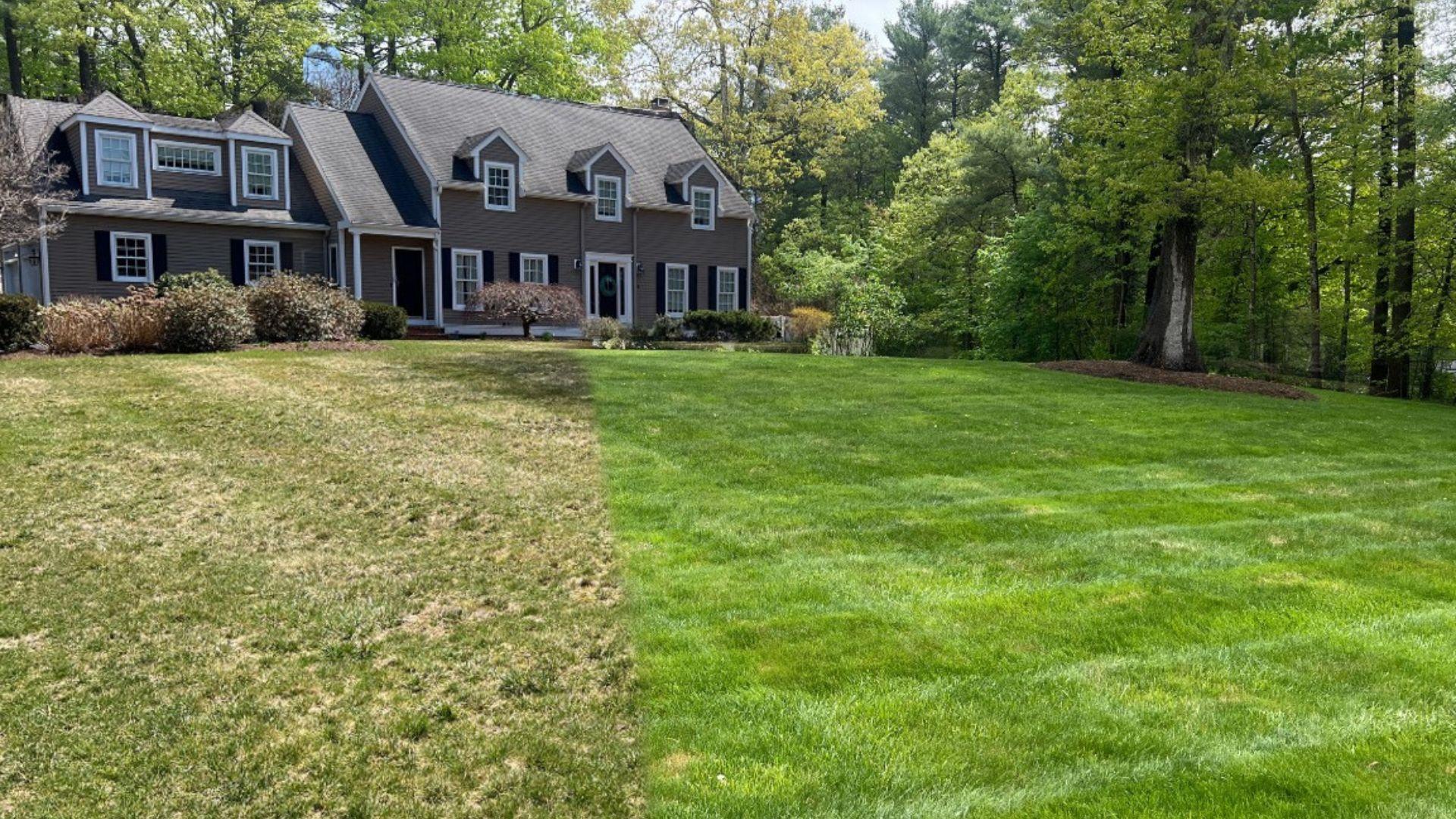
At Lawn Squad of North Atlanta, we build pest control into our lawn care programs because healthy lawns and pest prevention go hand in hand. Our ELITE and PRO programs include surface insect control in Rounds 2 through 7, covering the entire period when pests are active.
This approach works for Atlanta homeowners because different pests emerge at different times. A single spring treatment cannot protect against armyworms that arrive in August. Our 42 day interval ensures protection stays active throughout pest season.
Fire ant and mole cricket prevention in our ELITE program goes down in Rounds 3 and 4, timed to interrupt breeding cycles before populations explode in summer.
Why Pest Management Matters More Than Most Atlanta Homeowners Realize
Lawn pests do not just cause cosmetic damage. A serious infestation can destroy years of lawn investment in just a few weeks. Grubs eat grass roots, causing turf to die in large patches that require complete renovation. Armyworms can strip a lawn overnight, leaving nothing but brown stubble.
Atlanta’s warm climate creates perfect conditions for lawn pests. Our mild winters allow insect populations to survive year to year instead of dying off. Long summers give pests more time to breed and feed. High humidity keeps eggs and larvae moist enough to survive.
The combination means North Atlanta lawns face more pest pressure than lawns in cooler climates. What works for homeowners in Ohio or Michigan is not aggressive enough for Alpharetta, Roswell, and Woodstock.
After serving Fulton and Cherokee counties since 2001, we have learned which pests cause the most damage and exactly when they strike.
Grub Control Guide for North Atlanta Lawns
White grubs are the larvae of Japanese beetles, June bugs, and other scarab beetles. They live underground and feed on grass roots from late summer through fall.
Understanding the Grub Life Cycle
Adult beetles emerge in early summer and lay eggs in lawn soil. Eggs hatch in mid to late summer, and tiny grubs begin feeding on roots. Grubs grow through fall, causing increasing damage as they get larger. They burrow deep for winter, then resume feeding briefly in spring before pupating into adult beetles.
Why this matters: Timing treatments to the grub life cycle determines success or failure. Preventative products work on young grubs but not mature ones. Curative products work on active grubs but not eggs.
Preventative Grub Control (Best Option)
Apply preventative grub control in May or early June before eggs hatch. Products containing imidacloprid or chlorantraniliprole provide season long protection when applied correctly.
Our treatment schedule places grub prevention in Round 4, starting May 18, 2026. This timing catches grubs when they are small and vulnerable.
Curative Grub Control (When Prevention Was Missed)
If you did not apply preventative treatment and see grub damage in late summer or fall, curative products containing trichlorfon (Dylox) can kill active grubs. These products work fast but do not provide lasting protection.
Curative treatment costs more than prevention. Our curative grub control includes Dylox plus Merit and is priced at 3 times the standard lawn application cost.
Signs of Grub Damage
Look for irregular brown patches that pull up easily like loose carpet, increased bird activity as they dig for grubs, and raccoon or skunk damage from nighttime grub hunting. To confirm grubs, cut a 1 foot square of sod and peel it back. More than 5 grubs per square foot indicates a treatable infestation.
Critical warning: Grub damage often does not appear until populations are high and roots are severely damaged. By the time you see brown patches, the lawn may need renovation rather than just treatment.
Armyworm Control Guide for North Atlanta Lawns
Fall armyworms are caterpillars that migrate into Georgia each summer from the Gulf Coast. They feed on grass blades and can destroy a lawn in days during heavy infestations.
Understanding Armyworm Behavior
Armyworms travel in groups, feeding their way across lawns like an advancing army. They feed mostly at night and hide near the soil surface during day. Multiple generations occur from June through October, with the worst damage typically in August and September.
Spotting Armyworms Early
Look for birds feeding heavily on your lawn, small brown caterpillars near the soil line, and grass blades with chewed edges. In early morning or evening, armyworms are easier to spot moving across the lawn surface.
The soap flush test reveals hidden armyworms. Mix 2 tablespoons of dish soap in a gallon of water and pour it over a 2 foot square area. Armyworms will crawl to the surface within minutes.
Treating Armyworm Infestations
Armyworms require immediate treatment when detected. They can consume an entire lawn in 2 to 3 days during heavy infestations. Contact insecticides containing bifenthrin or carbaryl kill active armyworms on contact.
Lawn Squad offers both preventative and curative armyworm treatments as part of our surface insect control services. Our technicians watch for armyworm activity during every visit and can respond quickly when infestations develop.
Prevention Through Lawn Health
Healthy, thick lawns recover from armyworm damage faster than thin, stressed lawns. Proper fertilization, watering, and mowing give grass the resources to regrow after feeding damage. This is why our complete programs combine pest control with fertility management.
Fire Ant Control Guide for North Atlanta Lawns
Fire ants are more than a lawn pest. Their painful stings make yards unsafe for children, pets, and anyone who accidentally steps on a mound.
Understanding Fire Ant Colonies
Fire ant colonies can contain over 200,000 workers and multiple queens. Mounds appear after rain when ants push soil to the surface. Colonies spread by mating flights in spring and fall, with new queens establishing mounds up to several miles away.
Broadcast Prevention (Best Approach)
Broadcast fire ant prevention treats the entire lawn with bait or granular insecticide that workers carry back to the colony. This approach kills colonies before mounds become visible and reduces overall fire ant pressure.
Our ELITE program includes fire ant and mole cricket prevention in Rounds 3 and 4, starting April 6, 2026. Prevention is priced at double the standard application rate and included automatically in the program.
Individual Mound Treatment
When mounds appear between preventative treatments, individual mound treatments kill that specific colony. Pour treatments or bait applied directly to mounds work within days.
Avoid disturbing mounds before treatment. Kicking or shoveling a mound causes the colony to relocate and split, potentially creating multiple new mounds.
Fire Ant Pricing
For lawns between 6,000 and 10,000 square feet, fire ant and mole cricket prevention ranges from $124 to $156 per application.
Mole Cricket Control Guide for North Atlanta Lawns
Mole crickets tunnel through soil and feed on grass roots, creating spongy areas and visible tunnels across the lawn surface.
Understanding Mole Cricket Damage
Mole crickets are most active at night and after rain. Their tunneling damages roots and dries out soil, causing grass above to brown and die. Damage is often mistaken for drought stress or disease.
Prevention Timing
Mole cricket prevention works best in spring when adults are mating and laying eggs. Treating before eggs hatch breaks the life cycle. Our schedule places prevention in Rounds 3 and 4 along with fire ant treatment.
Signs of Mole Cricket Activity
Look for spongy soil that feels hollow when you walk on it, small tunnels or raised ridges across the lawn surface, and irregular brown patches that do not respond to watering. Mole crickets themselves are rarely seen because they stay underground during day.
How to Monitor Your Lawn for Pest Activity
Regular monitoring catches pest problems before they become disasters. A weekly walk around your lawn takes just minutes but can save thousands in damage.
Weekly monitoring checklist:
- Look for birds feeding heavily in one area, which often indicates grubs or armyworms
- Check for new fire ant mounds, especially after rain
- Note any brown patches that appeared suddenly
- Watch for grass that looks chewed or thinning rapidly
- Feel for spongy areas that might indicate mole cricket tunnels
Keep a simple log of what you observe. Patterns over time help identify developing problems before they become severe.
Common Pest Management Mistakes Atlanta Homeowners Make
After 25 years treating lawns across North Atlanta, we have seen these mistakes cause major damage.
Mistake 1: Waiting for Visible Damage Before Treating
By the time you see brown patches from grubs or bare spots from armyworms, populations are already high and damage is done. Preventative treatment costs less and protects better.
Mistake 2: Using Indoor Pest Products on Lawns
Products designed for indoor insects often do not work on lawn pests and may damage grass. Always use products labeled specifically for lawn and turf use.
Mistake 3: Treating at the Wrong Time of Day
Many lawn pests are most active in early morning or evening. Treating in midday heat reduces effectiveness and can stress grass. Our technicians time applications for maximum pest contact.
Mistake 4: Ignoring Fire Ant Mounds Until They Spread
A single fire ant colony produces new queens that establish new mounds nearby. Ignoring one mound often leads to five or ten mounds within months.
Mistake 5: Skipping Late Season Treatments
Pest pressure often peaks in late summer and early fall. Homeowners who stop lawn care after July miss the most critical treatment period for armyworms and grub damage prevention.
Preventative Programs vs. Reactive Treatment: Which Should You Choose?
Preventative programs apply products on a schedule before pest damage occurs. They cost more upfront but prevent expensive damage and lawn renovation. Results are invisible because problems never develop. Best for: Lawns with history of pest problems, homeowners who want worry free protection, and yards where children and pets play regularly.
Reactive treatment addresses pest problems after they appear. Initial cost is lower, but damage may occur before treatment and severe infestations cost more to resolve. Success depends on catching problems early. Best for: Homeowners on tight budgets who can monitor lawns closely, properties with no history of pest problems, and situations where specific pests need targeting.
Your North Atlanta Pest Management Calendar at a Glance
ELITE Program Pest Control Schedule
| Round | Date | Pest Control Services |
|---|---|---|
| 2 | February 23 | Surface Insect Control |
| 3 | April 6 | Surface Insect Control, Fire Ant/Mole Cricket Prevention |
| 4 | May 18 | Surface Insect Control, Fire Ant/Mole Cricket Prevention |
| 5 | June 29 | Surface Insect Control |
| 6 | August 10 | Surface Insect Control |
| 7 | September 21 | Surface Insect Control |
Key Pest Timing for Atlanta
| Pest | Prevention Window | Peak Damage Period |
|---|---|---|
| Grubs | May to June | August to October |
| Armyworms | Monitor June to October | August to September |
| Fire Ants | March to April | Year round |
| Mole Crickets | March to May | Summer months |
The Bottom Line
Managing lawn pests around Atlanta homes requires understanding which pests threaten your lawn and treating at the right time in their life cycle. Prevention almost always costs less and works better than waiting for damage to appear.
Key principles to remember:
- Atlanta’s warm climate supports more pest pressure than northern regions
- Preventative treatment in spring stops most pest problems before they start
- Monitor weekly to catch any breakthrough infestations early
- Different pests require treatment at different times of year
- Healthy, well maintained lawns recover faster from pest damage
Lawns that receive consistent pest management stay thick, green, and safe for families to enjoy all season.

Let Lawn Squad Handle It For You
Every lawn in North Atlanta faces pest pressure, but the specific threats vary by location, lawn history, and surrounding environment. Properties near wooded areas may see more grub activity. Neighborhoods with established fire ant populations need more aggressive prevention.
Our lawn care programs account for all these variables with pest control built into every treatment schedule.
ELITE Program includes:
- Surface insect control in 6 rounds throughout pest season
- Fire ant and mole cricket prevention in Rounds 3 and 4
- Disease control that addresses pest related lawn stress
- Unlimited service calls for breakthrough pest problems
- Expert monitoring during every scheduled visit
PRO Program includes:
- Surface insect control in Rounds 2 through 7
- Broadleaf weed control that keeps lawns thick and pest resistant
- Sedge suppression during summer months
Specialty Pest Services:
- Grub Control Preventative: Included in full programs
- Grub Control Curative: 3 times standard application cost
- Armyworm Preventative and Curative treatments
- Flea and Tick Spray for perimeter pest control
- Fire Ant Curative for individual mound treatment
Stop worrying about what is eating your lawn. Let our trained technicians provide year round pest protection so you can enjoy your yard without fear of damage or stings.
Contact Lawn Squad of North Atlanta today at (678) 250-6493 or visit lawnsquad.com/contact-us to get a quote and protect your lawn from Atlanta’s toughest pests.