
The short answer: Protecting your Atlanta lawn from heat stress requires a combination of proper watering, correct mowing height, and soil health management. Most lawns struggle in summer because homeowners water too often but not deeply enough.
The best defense against heat stress is deep, infrequent watering combined with keeping your grass at the right height. Lawns with healthy root systems bounce back faster from hot spells.
Quick overview:
- Watering: Water deeply 2 to 3 times per week rather than lightly every day
- Mowing: Keep grass taller during summer to shade roots and retain moisture
- Soil health: Aeration and proper fertilization help roots grow deeper
Whether you handle lawn care yourself or work with professionals, understanding how heat stress works will help you make better decisions for your yard.
The Complete Heat Stress Protection Approach: Our 8 Round Program
At Lawn Squad of North Atlanta, we designed our lawn care programs specifically for the challenges Georgia lawns face. Our ELITE program includes 14 billable treatments across 13 visits, with disease control, surface insect control, and aeration built right in.
What makes this approach work for Atlanta homeowners is the timing. We schedule treatments on a 42 day interval throughout the season, which means your lawn gets what it needs before heat stress becomes a problem.
Even if you prefer to handle your own lawn care, understanding how professionals time their treatments can help you plan your own schedule better.
Why Heat Stress Matters More Than Most Atlanta Homeowners Realize
Heat stress does more than make your lawn look bad for a few weeks. When grass stays stressed too long, it becomes weak and opens the door to bigger problems.
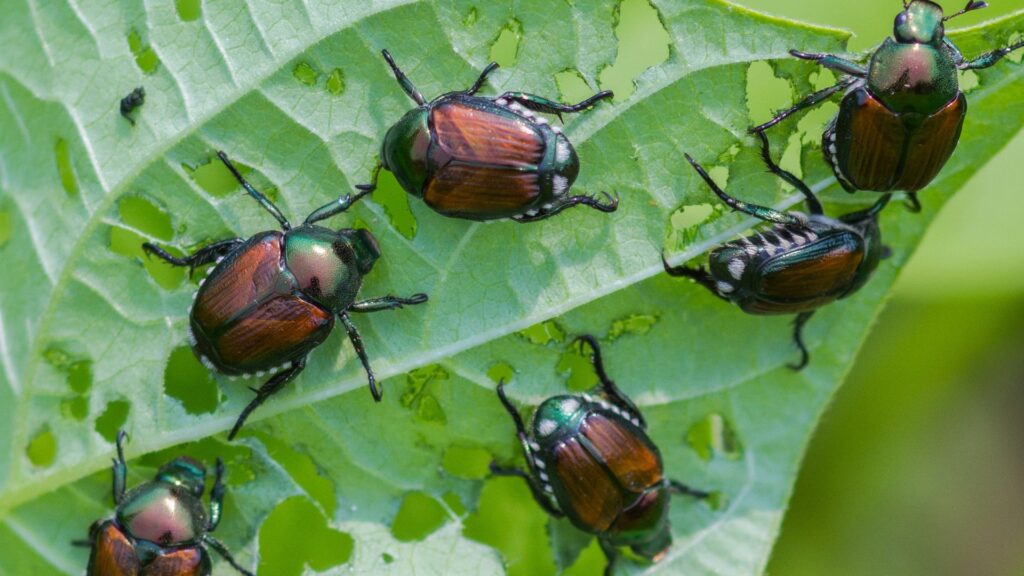
Stressed lawns attract insects like armyworms and grubs because the grass cannot fight back. Fungal diseases like brown patch spread faster in weakened turf. Weeds move into bare spots where grass has died off. What started as a heat problem can turn into a lawn that needs complete renovation.
Atlanta summers bring a specific challenge that makes generic lawn advice fall short. Our hot, humid weather creates perfect conditions for fungal diseases right when your grass is already struggling with heat. That combination requires a different approach than what works in cooler climates.
The key principle is this: healthy lawns handle heat better. Everything you do before summer arrives affects how your lawn performs when temperatures climb.
Warm Season Grass Guide for North Atlanta
Most lawns in Alpharetta, Roswell, and Woodstock have warm season grasses like Bermuda or Zoysia. These grasses actually thrive in summer heat, but they still need proper care.
Step 1: Adjust Your Watering Schedule (May through September)
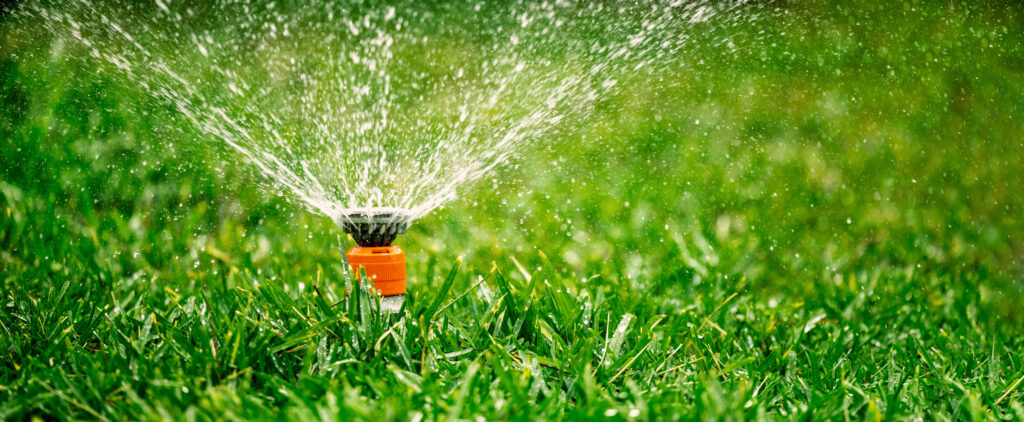
Water your lawn deeply but less often. Apply about 1 inch of water per session, 2 to 3 times per week. Early morning watering between 4 AM and 10 AM works best because it gives grass time to dry before evening.
Why this matters: Shallow daily watering trains roots to stay near the surface where they dry out fast. Deep watering encourages roots to grow down where soil stays moist longer. Lawns with deep roots survive drought and heat much better.
Step 2: Raise Your Mowing Height
During summer, raise your mower blade to the highest setting your grass type allows. For Bermuda, that means 2 to 2.5 inches. For Zoysia, aim for 2.5 to 3 inches.
Taller grass shades the soil, which keeps roots cooler and reduces water evaporation. Taller grass also has more leaf surface to produce energy through photosynthesis.
Step 3: Time Your Fertilizer Applications Correctly
Warm season grasses need fertilizer during their active growth period from late spring through early fall. Our treatment schedule starts Round 3 on April 6, 2026, with fertilizer and broadleaf weed control timed for when grass can actually use the nutrients.
Fertilizing at the wrong time forces grass to grow when it should be conserving energy. This weakens the lawn and makes heat stress worse.
Step 4: Address Soil Compaction
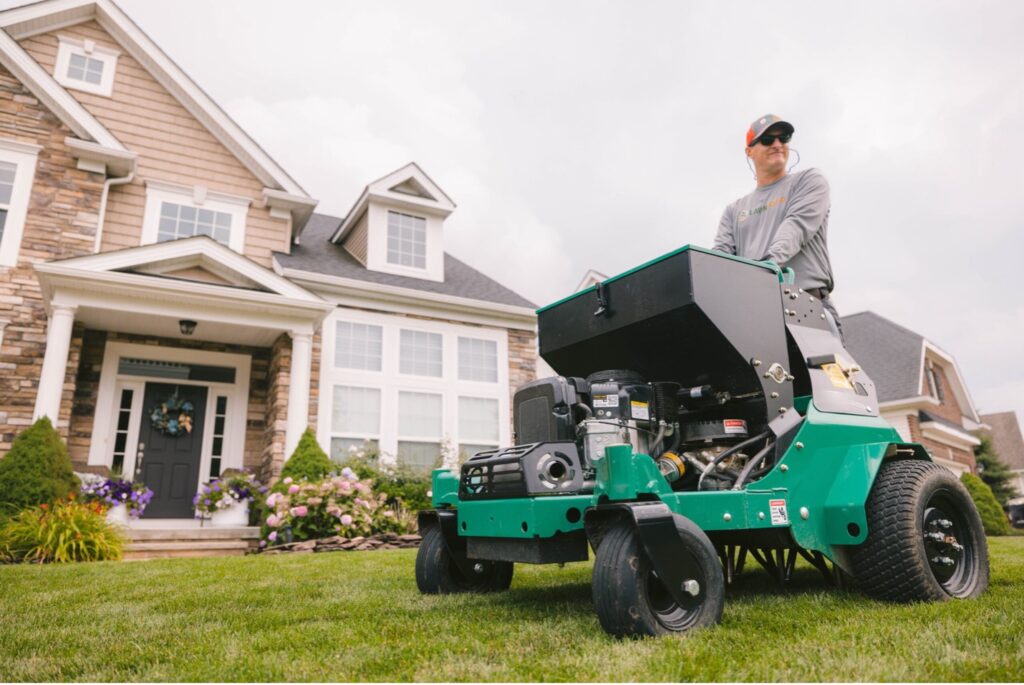
Compacted soil prevents water and air from reaching roots. Aeration creates channels in the soil that let roots breathe and grow deeper.
Our ELITE program includes aeration in Rounds 4 through 8, scheduled during the growing season when grass can recover quickly. Round 4 starts May 18, 2026, right before the hottest months arrive.
Critical warning: Never fertilize warm season grass during dormancy in winter. The grass cannot use the nutrients, and you end up feeding weeds instead.
Lawn Squad’s treatment programs time every application to match what your grass actually needs in each season.
Cool Season Grass Guide for North Atlanta
Some North Atlanta lawns, especially in shaded areas, have cool season grasses like Fescue. These lawns need different care because they struggle more with summer heat.
Step 1: Water More Frequently During Heat Waves
Cool season grasses need more water than warm season types during hot weather. Plan to water 3 times per week during normal summer conditions and daily during heat waves above 95 degrees.
Step 2: Mow High and Mow Often
Keep Fescue at 3.5 to 4 inches tall during summer. Never remove more than one third of the grass blade in a single mowing. This might mean mowing every 5 to 7 days even when growth slows.
Important Consideration: Avoid Fertilizing Fescue in Summer
Do not fertilize cool season grass from June through August. Fescue naturally slows down in heat to protect itself. Fertilizer pushes growth when the grass should be resting.
Wait until September when temperatures cool to resume fertilization. This matches our Round 7 timing starting September 21, 2026.
Step 3: Accept Some Summer Dormancy
Cool season lawns may turn brown during the hottest weeks. This is normal. The grass is not dead, just dormant. Keep watering lightly to maintain the crown and roots even when blades look brown.
How to Calculate Your Lawn’s Water Needs
You have probably heard about watering 1 inch per week, but how do you actually measure that?
Step by step process:
- Place 5 or 6 empty tuna cans or similar containers around your lawn
- Run your sprinklers for 15 minutes
- Measure the water depth in each can with a ruler
- Average the measurements and multiply by 4 to get your hourly rate
For example, if you collect a quarter inch in 15 minutes, your system puts out 1 inch per hour. You would need to run sprinklers for about 1 hour to apply an inch of water.
Adjust this based on weather. During a hot week with no rain, you might need 1.5 inches total. During a cooler week with afternoon showers, you might need no irrigation at all.
What About Disease Control?
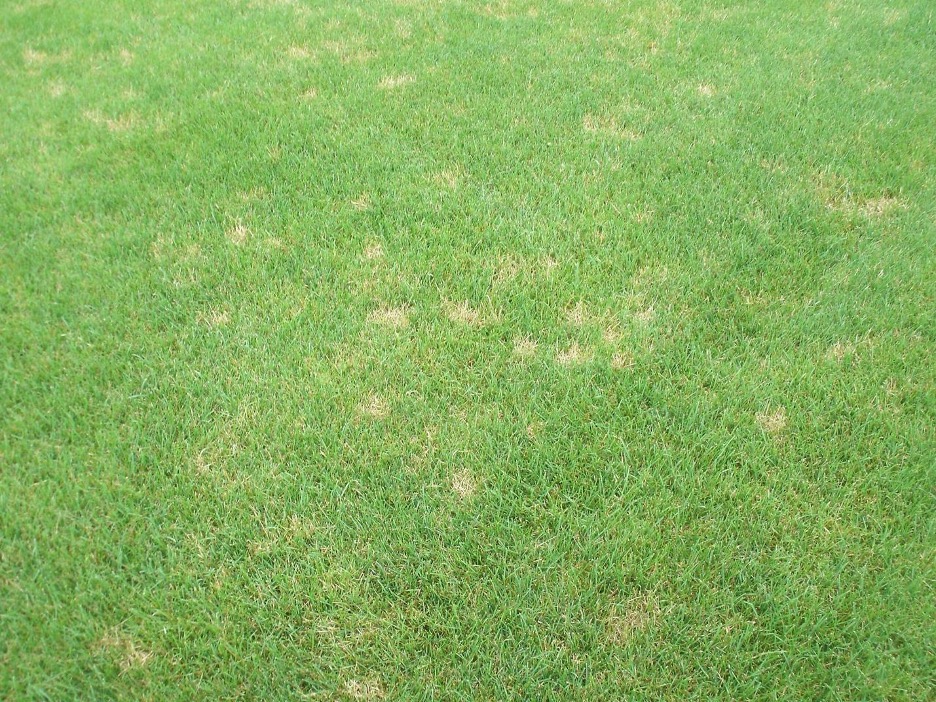
Heat stressed lawns become targets for fungal diseases. Brown patch, dollar spot, and gray leaf spot all thrive in hot, humid Atlanta summers.
Disease control matters because treating a fungal infection costs more and takes longer than preventing one. By the time you see dead patches, the fungus has already spread through the root system.
Lawn Squad includes disease control in our ELITE program during Rounds 2, 4, 6, and 7. These applications go down before and during peak disease season to create a protective barrier.
We recommend disease control treatments at least 4 times during the growing season for lawns with a history of fungal problems.
Common Heat Stress Mistakes Atlanta Homeowners Make
After serving North Atlanta since 2001, we have seen the same mistakes come up again and again.
Mistake 1: Watering Every Day for Short Periods Daily light watering keeps roots shallow and weak. The lawn looks fine until a really hot week hits, then it crashes fast because roots cannot reach deeper moisture.
Mistake 2: Scalping the Lawn Before Vacation Cutting grass extra short before leaving town seems logical, but it removes the leaf tissue grass needs to survive heat. You come home to a damaged lawn that takes weeks to recover.
Mistake 3: Fertilizing During a Heat Wave Fertilizer encourages growth. Growth requires water. Pushing growth during extreme heat puts more stress on grass that is already struggling.
Mistake 4: Ignoring Early Signs of Stress Grass that turns bluish gray or shows footprints that do not bounce back is telling you it needs water now. Waiting until grass turns brown means damage has already occurred.
Mistake 5: Stopping All Care During Summer Some homeowners figure there is nothing to do until fall. But summer is when insect problems develop, diseases spread, and weeds take over bare spots. Consistent care through summer prevents expensive problems later.
DIY Care vs. Professional Lawn Programs: Which Should You Choose?
DIY lawn care gives you complete control over timing and products. You save money on labor costs and can respond immediately to problems you notice. Best for: Homeowners who enjoy yard work, have flexible schedules, and want to learn the science behind lawn care.
Professional programs provide expertise, professional grade products, and consistent timing. You do not have to remember when applications are due or store chemicals at home. Best for: Busy homeowners, those with large lawns, and anyone who wants guaranteed results without the learning curve.
Your Heat Stress Protection Calendar at a Glance
Warm Season Grass (Bermuda, Zoysia)
| Month | What to Do | Details |
|---|---|---|
| April | Start summer watering schedule | Deep watering 2 to 3 times weekly |
| May | Raise mower height | 2 to 2.5 inches for Bermuda |
| June | Monitor for insects | Watch for armyworms and grubs |
| July | Increase water during heat waves | Add an extra watering session |
| August | Continue disease prevention | Fungicide applications as needed |
| September | Begin lowering water frequency | Reduce to 2 times weekly |
Cool Season Grass (Fescue)
| Month | What to Do | Details |
|---|---|---|
| May | Raise mower to maximum height | 3.5 to 4 inches |
| June | Stop fertilizer applications | Resume in September |
| July | Increase watering frequency | Water every other day or daily |
| August | Accept some dormancy | Keep crowns hydrated |
| September | Resume normal care | Fertilize and overseed if needed |
The Bottom Line
Protecting your Atlanta lawn from heat stress comes down to working with your grass instead of against it. Give roots what they need to grow deep, keep soil healthy, and time your care to match what grass actually does in each season.
Key principles to remember:
- Water deeply and less often to encourage deep root growth
- Mow higher during summer to shade soil and roots
- Time fertilizer to match your grass type’s active growth period
- Address soil compaction before summer arrives
- Watch for early stress signs and respond quickly
Lawns that get consistent, properly timed care bounce back from heat waves and look great all season long.

Let Lawn Squad Handle It For You
Every lawn in North Atlanta is different. Soil types vary across Alpharetta, Roswell, and Woodstock. Shade patterns, irrigation systems, and grass types all affect what your specific lawn needs.
Our lawn care programs account for all these variables. We designed them specifically for conditions in Fulton and Cherokee counties.
ELITE Program includes:
- Disease control in 4 rounds during peak fungal season
- Surface insect control to prevent pest damage
- Aeration to reduce compaction and build deeper roots
- Soil testing to identify exactly what your lawn needs
- Unlimited service calls when problems arise between visits
Stop worrying about whether you are watering right or treating at the right time. Let our trained technicians handle the details while you enjoy your lawn.
Contact Lawn Squad of North Atlanta today at (678) 250-6493 or visit lawnsquad.com/contact-us to get a quote and give your lawn the protection it deserves this summer.