The short answer: The most effective weed prevention for Frederick lawns combines two pre-emergent herbicide applications in early spring with consistent broadleaf weed control throughout the growing season. Timing matters more than product choice because weeds germinate on a predictable schedule based on soil temperature.
Prevention always works better than trying to kill weeds after they establish. Once crabgrass or nutsedge takes hold in your lawn, removal becomes expensive and often damages surrounding grass.
Quick overview:
- First pre-emergent: Mid March before soil reaches 55 degrees
- Second pre-emergent: Late April to extend protection through late spring
- Broadleaf control: Every treatment round from March through October
- Cultural practices: Proper mowing, watering, and fertilization that help grass outcompete weeds
Keep reading to learn exactly when to apply each treatment, which weeds threaten Frederick lawns most, and how to build a defense system that keeps your grass thick and weed-free all season.

The Complete Weed Prevention Approach: Our 7 Round Defense System
At Lawn Squad of Frederick, we include broadleaf weed control in all seven treatment rounds because weeds germinate throughout the entire growing season. Our PRO and ELITE programs add two pre-emergent applications in Rounds 1 and 2 that stop crabgrass and other grassy weeds before they ever break the soil surface.
This layered approach works because different weeds emerge at different times. Spring brings crabgrass and dandelions. Summer brings nutsedge and spurge. Fall brings henbit and chickweed. A single treatment cannot address all these threats, but a season-long program catches each weed type at its most vulnerable stage.
Whether you manage weeds yourself or hire professionals, understanding how weeds grow and when they’re weakest helps you spend less time and money fighting problems that proper prevention would have stopped entirely.
Why Weed Prevention Matters More Than Most Frederick Homeowners Realize
Frederick’s transition zone climate creates ideal conditions for dozens of weed species. Our warm, humid summers encourage summer annuals like crabgrass. Our mild winters allow winter annuals like henbit to establish in fall and explode in early spring. Perennial weeds like dandelions and clover persist year after year, spreading through your lawn if left unchecked.
Here’s what happens when weed prevention fails:
One crabgrass plant produces up to 150,000 seeds before dying in fall. Those seeds wait in your soil for years, germinating whenever conditions allow. Skipping one spring of pre-emergent can create a seed bank that causes crabgrass problems for a decade.
Weeds steal water, nutrients, and sunlight from your grass. A lawn fighting weeds cannot grow thick enough to shade out future weed seedlings. The problem compounds each year until weeds dominate and grass becomes the minority plant in your own yard.
Some weeds spread through underground runners, not just seeds. Nutsedge produces tubers that survive herbicide treatments and sprout new plants the following year. Once established, these weeds require multiple seasons of targeted treatment to fully eliminate.
Frederick County’s diverse neighborhoods present different weed challenges. Properties near the Monocacy River face different weed pressure than homes in Middletown or up toward Thurmont. Soil type, sun exposure, and past lawn care all affect which weeds take hold. Understanding your specific situation helps you target prevention efforts where they matter most.
Pre-Emergent Weed Control Guide for Frederick Lawns
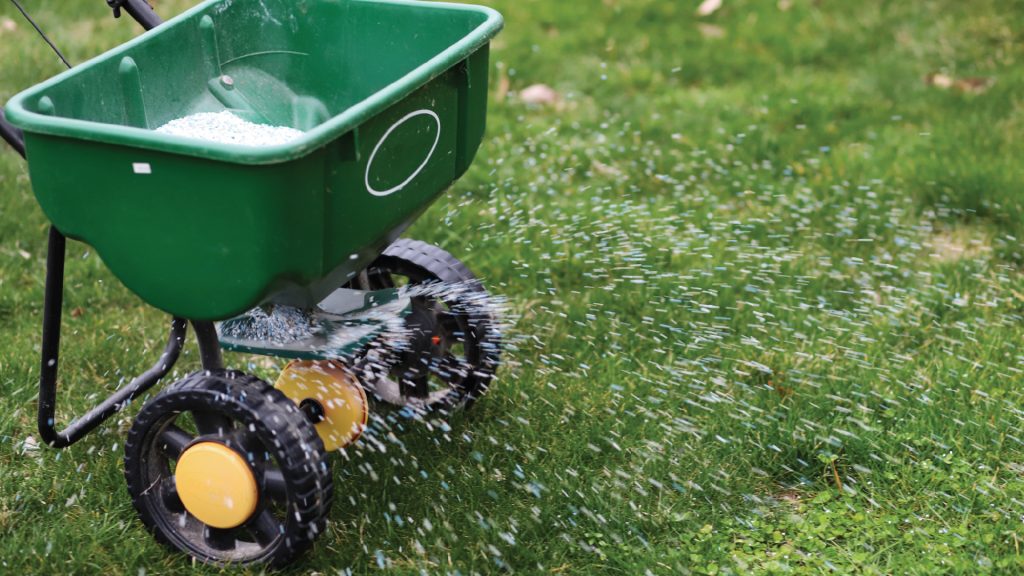
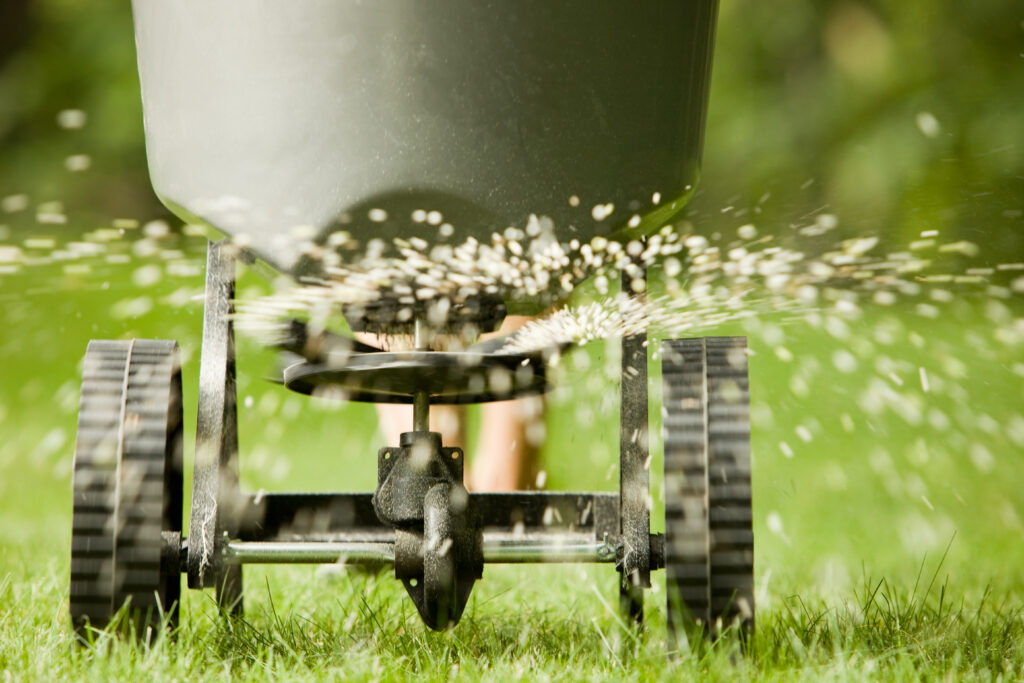
Pre-emergent herbicides are the foundation of effective weed prevention. These products create a chemical barrier in the top layer of soil that kills weed seeds as they germinate, before they ever produce visible plants.
How Pre-Emergent Works
Pre-emergent herbicides do not kill existing weeds or prevent seeds from germinating. Instead, they kill the tiny root and shoot that emerges from a germinating seed. The seedling dies before breaking the soil surface, so you never see the weed at all.
This mechanism explains why timing is critical. Apply too early and the product breaks down before peak germination. Apply too late and weeds have already pushed past the chemical barrier. The goal is having active product in the soil exactly when target weeds germinate.
When to Apply Pre-Emergent in Frederick
Round 1: Mid March
The first pre-emergent application targets early germinating weeds, primarily crabgrass. Crabgrass seeds begin germinating when soil temperature reaches 55 degrees for several consecutive days. In Frederick, this typically occurs in late March or early April.
Apply your first treatment in mid-March, before soil warms to germination temperature. This ensures the chemical barrier is in place when the first crabgrass seeds try to sprout.
How to check soil temperature: Push a thermometer 2 inches into bare soil in a sunny area. Check at the same time each morning for several days. When readings consistently hit 50 to 52 degrees, it’s time to apply.
Round 2: Late April
The second pre-emergent application extends protection through late spring when crabgrass pressure peaks. A single application rarely provides season-long control in Frederick’s climate because the product gradually breaks down in soil.
This second treatment also catches later-germinating weeds like goosegrass that emerge after crabgrass has already started.
Many homeowners skip the second application thinking one treatment is enough. By July, they’re wondering why crabgrass appeared despite their spring treatment. The answer is almost always inadequate coverage from a single application.
Pre-Emergent and Overseeding Conflicts
Pre-emergent herbicides cannot distinguish between weed seeds and grass seeds. Any seed trying to germinate in treated soil will be killed, including desirable grass seed.
If you plan to overseed in spring: Skip pre-emergent entirely or use a product specifically labeled as safe for overseeding. Understand that spring overseeding without pre-emergent often fails because crabgrass outcompetes new grass seedlings.
Better approach: Apply pre-emergent in spring to prevent weeds, then overseed in fall when pre-emergent has broken down and weed pressure is minimal. This is why our fall aeration and overseeding services happen in Rounds 5, 6, and 7, well after spring pre-emergent applications.
Pre-Emergent and Aeration Conflicts
Core aeration punches holes through the pre-emergent barrier, creating spots where weed seeds can germinate without contacting the herbicide.
Never aerate in spring after applying pre-emergent. You’ll destroy the protection you paid for and invite weeds into every aeration hole.
Fall aeration avoids this conflict because pre-emergent has broken down by August and you won’t apply more until the following March.
Broadleaf Weed Control Guide for Frederick Lawns
Broadleaf weeds like dandelions, clover, chickweed, and plantain require different treatment than grassy weeds like crabgrass. Post-emergent broadleaf herbicides kill these weeds after they’ve sprouted by targeting biological processes unique to broadleaf plants.
How Broadleaf Control Works
Post-emergent broadleaf herbicides are absorbed through weed leaves and transported throughout the plant, killing roots and all. These products affect plant hormone systems that grasses do not share, allowing them to kill weeds without harming your lawn.
For best results, weeds must be actively growing when treated. The herbicide enters through leaves that are producing food through photosynthesis. Dormant weeds, stressed weeds, or newly emerged seedlings may survive treatment.
When to Apply Broadleaf Control in Frederick
Every treatment round from March through October
Unlike pre-emergent which targets a specific germination window, broadleaf weeds emerge throughout the growing season. Different species germinate in different conditions:
Spring emergers: Dandelion, clover, plantain, wild violet Summer emergers: Spurge, lespedeza, black medic Fall emergers: Henbit, chickweed, deadnettle
Treating only once or twice per year misses weeds that emerge between applications. Our programs include broadleaf weed control in all seven rounds because consistent pressure prevents any weed species from establishing.
Broadleaf Control Techniques
Spray application: Liquid herbicide applied to the entire lawn kills visible weeds and any too small to notice. Most professional treatments use this method.
Spot treatment: Applying herbicide directly to individual weeds works well for minor infestations and reduces chemical use. This approach requires more frequent monitoring to catch weeds before they spread.
Granular application: Herbicide combined with fertilizer granules. Less effective than liquid because product must stick to wet leaves to work. Best for light weed pressure combined with feeding.
Specialty Weed Control for Difficult Frederick Weeds
Some weeds resist standard broadleaf herbicides and require specialized products or techniques. Frederick lawns commonly face these challenging weeds.
Crabgrass (Post-Emergent)
When pre-emergent fails and crabgrass establishes, post-emergent crabgrass control becomes necessary. These products kill actively growing crabgrass plants without harming your lawn.
Timing: Treat when crabgrass is young and actively growing, typically June through early August. Mature crabgrass with seed heads resists treatment and will die naturally with the first frost anyway.
Cost: Crabgrass curative treatments cost $70 to $422 depending on lawn size, significantly more than prevention through pre-emergent application.
Reality check: Post-emergent crabgrass control rarely achieves complete kill. Some plants survive and still produce seeds. Prevention through properly timed pre-emergent is far more effective and economical.
Nutsedge
Nutsedge looks like grass but grows faster, creating clumps that stick up above your lawn just days after mowing. It spreads through underground tubers called nutlets that can survive for years in soil.
Identification: Nutsedge has triangular stems (roll the stem between your fingers to feel the edges) and grows faster than surrounding grass. It thrives in wet, poorly drained areas.
Treatment: Specialized sedge herbicides like sulfentrazone or halosulfuron target nutsedge without harming grass. Multiple applications are usually needed because nutlets continue sprouting new plants.
Cost: Nutsedge treatment costs $70 to $312 depending on lawn size and infestation severity.
Prevention: Improve drainage in problem areas. Nutsedge cannot compete with healthy grass in well-drained soil.
Lawn Squad of Frederick offers sedge control services specifically targeting this challenging weed that standard broadleaf herbicides cannot kill.
Dallisgrass and Goosegrass
These grassy weeds form unsightly clumps in Frederick lawns and resist many common herbicides.
Identification: Dallisgrass forms wide clumps with coarse blades and tall seed stalks. Goosegrass lies flat against the ground in a starburst pattern.
Treatment: Selective herbicides that kill these weeds without harming your lawn require precise application. Non-selective herbicides kill the weed and surrounding grass, requiring spot reseeding.
Prevention: Healthy, thick turf prevents establishment. Pre-emergent applied at proper timing stops goosegrass seeds from germinating.
Winter Annuals (Henbit, Chickweed, Deadnettle)
These weeds germinate in fall, survive winter as small plants, then explode in early spring with flowers and seeds before dying in summer heat.
The mistake: Most homeowners don’t notice these weeds until spring when they’re flowering everywhere. By then, they’ve already produced seeds for next year.
Prevention: Fall broadleaf treatments kill winter annuals while they’re young and before they flower. Our Round 7 treatment in mid-October specifically targets these weeds.
Treatment: Spring broadleaf applications kill flowering plants, but seeds are already in the soil. Consistent fall treatment eventually depletes the seed bank.
Cultural Practices That Prevent Weeds
Herbicides are only part of effective weed prevention. How you maintain your lawn determines whether grass can outcompete weeds naturally.
Mowing Height
Mow high: Keep Frederick lawns at 3.5 to 4 inches during the growing season. Taller grass shades soil, preventing weed seeds from receiving light they need to germinate.
Never remove more than one third: Cutting more than one-third of the blade height stresses grass and opens gaps where weeds can establish.
Sharp blades: Dull mower blades tear grass, creating wounds where disease enters and weakening plants. Weakened grass cannot compete with weeds.
Watering Practices
Deep and infrequent: Water 1 inch per week, including rainfall, applied in one or two sessions rather than daily light watering. Deep watering encourages deep roots that access moisture during dry periods.
Morning watering: Water early so blades dry before nightfall. Wet grass overnight promotes disease that weakens your lawn and creates openings for weeds.
Avoid overwatering: Soggy soil favors weeds like nutsedge and weakens grass roots. More water does not mean healthier grass.
Fertilization
Feed grass, starve weeds: Proper fertilization grows thick grass that physically crowds out weeds. Thin, undernourished grass cannot compete.
Right timing: Heavy feeding in spring and fall when grass grows actively. Light feeding in summer when grass is stressed by heat.
Soil testing: Nutrient imbalances prevent grass from thriving even with adequate fertilizer. Our ELITE program includes soil testing to identify deficiencies that limit your lawn’s ability to outcompete weeds.
Overseeding
Fill thin spots: Bare soil invites weeds. Overseeding in fall fills gaps before weeds can colonize them.
Introduce improved varieties: New grass cultivars offer better disease resistance and density than older varieties. Gradually replacing aging grass with improved seed creates a stronger stand that naturally resists weed invasion.
How to Calculate Weed Control Costs
Weed control pricing depends on lawn size and which services you need. Here’s how Frederick pricing typically works.
Standard Weed Control Pricing
| Lawn Size | Weed Control per Application | Annual Cost (7 Applications) |
|---|---|---|
| 1,000 to 5,000 sq ft | $45 to $51 | $315 to $357 |
| 6,000 to 10,000 sq ft | $53 to $64 | $371 to $448 |
| 11,000 to 15,000 sq ft | $67 to $78 | $469 to $546 |
| 16,000 to 20,000 sq ft | $81 to $92 | $567 to $644 |
| 21,000 to 25,000 sq ft | $95 to $106 | $665 to $742 |
Specialty Weed Treatment Pricing
| Service | 1K to 5K sq ft | 11K to 15K sq ft | 21K to 25K sq ft |
|---|---|---|---|
| Crabgrass Curative | $70 to $102 | $198 to $262 | $358 to $422 |
| Nutsedge Control | $70 to $92 | $158 to $202 | $268 to $312 |
| Non-Selective Herbicide | $70 to $114 | $180 to $224 | $290 to $334 |
Program Pricing
Comprehensive programs that include weed control plus fertilization, grub prevention, and other services cost more per visit but provide better value than purchasing services individually.
ESSENTIAL Program: 6 treatments including pre-emergent (2 apps), fertilizer (4 apps), broadleaf weed control (6 apps), and grub prevention
PRO Program: 8 treatments adding surface insect control and winterizer
ELITE Program: 14 treatments across 7 visits adding disease control, aeration, root stimulant, and soil testing
Contact Lawn Squad of Frederick at 774-855-6949 for a custom quote based on your lawn size and specific needs.
Common Weed Prevention Mistakes Frederick Homeowners Make
After caring for Frederick lawns since 2001, our team sees the same weed control errors repeated year after year. Avoiding these mistakes saves time, money, and frustration.
Mistake #1: Applying Pre-Emergent Too Late
Crabgrass germinates when soil hits 55 degrees. By the time you see crabgrass growing, it’s far too late for pre-emergent. Many homeowners wait until April or May to think about lawn care and wonder why crabgrass dominates by July.
Mistake #2: Expecting One Pre-Emergent Application to Last All Season
Pre-emergent herbicides break down in soil over 6 to 10 weeks. A single March application loses effectiveness by late May, leaving your lawn unprotected during peak crabgrass germination in June. Two applications provide the extended coverage Frederick lawns need.
Mistake #3: Spraying Broadleaf Herbicide on Stressed Weeds
Weeds must be actively growing to absorb and translocate herbicides. Treating during drought, extreme heat, or cold produces poor results. Water your lawn before treating if conditions are dry, and avoid treatment when temperatures exceed 85 degrees.
Mistake #4: Aerating in Spring After Pre-Emergent
Every aeration hole punches through your pre-emergent barrier, creating a spot where crabgrass can germinate. Spring aeration and spring pre-emergent are incompatible. Choose one or the other, and for most Frederick lawns, pre-emergent protection matters more than spring aeration.
Mistake #5: Letting Weeds Go to Seed
One dandelion produces 15,000 seeds. One crabgrass plant produces 150,000 seeds. Weeds that flower and set seed before treatment create years of future problems. Treat weeds early when they’re young and before they reproduce.
DIY Weed Prevention vs. Professional Programs: Which Should You Choose?
DIY Weed Prevention gives you control over products and timing. You can treat weeds the moment you spot them and adjust practices based on your specific situation.
Best for: Homeowners who enjoy yard work, have time to monitor their lawn weekly, understand herbicide application and timing, and have smaller properties under 10,000 square feet.
Professional Weed Control Programs provide expert product selection, precise timing based on local conditions, and consistent coverage throughout the season without your involvement.
Best for: Busy homeowners who value their time, those unfamiliar with herbicide selection and application, properties with persistent weed problems, and lawns where appearance matters.
The honest truth: Professional programs often produce better results because timing is everything with weed control. Missing the pre-emergent window by two weeks can mean fighting crabgrass all summer. Professionals schedule treatments based on soil temperature and local conditions rather than whenever homeowners get around to it.
Your Frederick Weed Prevention Calendar at a Glance
Annual Weed Control Schedule
| Timing | Action | Target Weeds |
|---|---|---|
| Mid March | First pre-emergent plus broadleaf control | Crabgrass prevention, early dandelions |
| Late April | Second pre-emergent plus broadleaf control | Extended crabgrass prevention, spring broadleaf |
| Late May | Broadleaf control, begin nutsedge watch | Clover, plantain, emerging nutsedge |
| Late June | Broadleaf control, nutsedge treatment if present | Summer broadleaf, nutsedge, spurge |
| Early August | Broadleaf control | Late summer weeds, spurge, lespedeza |
| Early September | Broadleaf control | Transitional weeds before fall |
| Mid October | Broadleaf control targeting winter annuals | Henbit, chickweed, deadnettle |
Weed Prevention Quick Reference
| Weed Type | Prevention Method | Treatment If Established |
|---|---|---|
| Crabgrass | Two pre-emergent applications (March and April) | Post-emergent crabgrass killer (June through August) |
| Dandelion | Thick, healthy turf; fall broadleaf treatment | Post-emergent broadleaf herbicide (spring or fall) |
| Nutsedge | Improve drainage; avoid overwatering | Specialized sedge herbicide (multiple applications) |
| Clover | Proper fertilization; thick turf | Post-emergent broadleaf herbicide |
| Winter Annuals | Fall broadleaf treatment (October) | Spring broadleaf treatment before seeding |
The Bottom Line
Effective weed prevention in Frederick requires a season-long approach that addresses different weed types at their most vulnerable stages. Two pre-emergent applications in spring combined with consistent broadleaf control throughout the growing season prevents most weed problems before they start.
Key principles to remember:
- Apply first pre-emergent in mid-March before soil reaches 55 degrees
- Apply second pre-emergent in late April to extend protection
- Treat broadleaf weeds throughout the season, not just once or twice
- Never aerate in spring after pre-emergent application
- Mow high, water deep, and fertilize properly to help grass outcompete weeds
Prevention costs less than treatment, works better, and produces a healthier lawn. Every weed you stop from establishing is one fewer weed spreading seeds for next year.

Let Lawn Squad of Frederick Handle It For You
Every Frederick property faces different weed pressures based on soil type, sun exposure, neighboring properties, and past lawn care. Our programs address these variables with customized treatment timing and products selected for your specific situation.
ELITE Program includes:
- Pre-emergent applications in Rounds 1 and 2 for season-long crabgrass prevention
- Broadleaf weed control in all 7 rounds targeting every weed type as it emerges
- Grub prevention that keeps your lawn healthy and competitive against weeds
- Disease control that prevents grass damage weeds would exploit
- Soil testing to identify nutrient issues limiting your lawn’s natural weed resistance
- Unlimited service calls for weed problems between scheduled visits
Stop spending weekends spraying weeds that keep coming back. Our team has been serving Frederick, Hagerstown, Middletown, and surrounding Maryland communities since 2001. We understand which weeds threaten local lawns and exactly when to treat them.
Contact Lawn Squad of Frederick today at 774-855-6949 or visit lawnsquad.com/contact-us to get a free quote and start winning the battle against weeds.