The short answer: The most common lawn diseases in Central Ohio are brown patch, dollar spot, red thread, and rust, all of which thrive during our humid summers and variable weather patterns.
Each disease has distinct visual symptoms that help with identification. Brown patch creates large circular dead areas. Dollar spot forms small bleached spots the size of a silver dollar. Red thread produces pink or red threads on grass blades. Rust leaves orange powder on your shoes after walking across the lawn.
Quick overview:
- Brown patch: Large brown circles, often with green grass in the center, appears June through September
- Dollar spot: Small straw-colored spots that merge into larger irregular patches, peaks in late spring and fall
- Red thread: Pink or red thread-like growths on blade tips, common during cool, wet periods
- Rust: Orange or yellow powder on grass blades, most common late summer into fall
- Summer patch: Irregular dead areas with a frogged-eye pattern, appears during hot weather
Catching lawn disease early makes treatment far more effective and prevents permanent damage to your turf. Here’s how to identify, prevent, and treat the fungal diseases that threaten Central Ohio lawns.r turf within one growing season. Here’s exactly how to do it right in Central Ohio.ut the entire year.
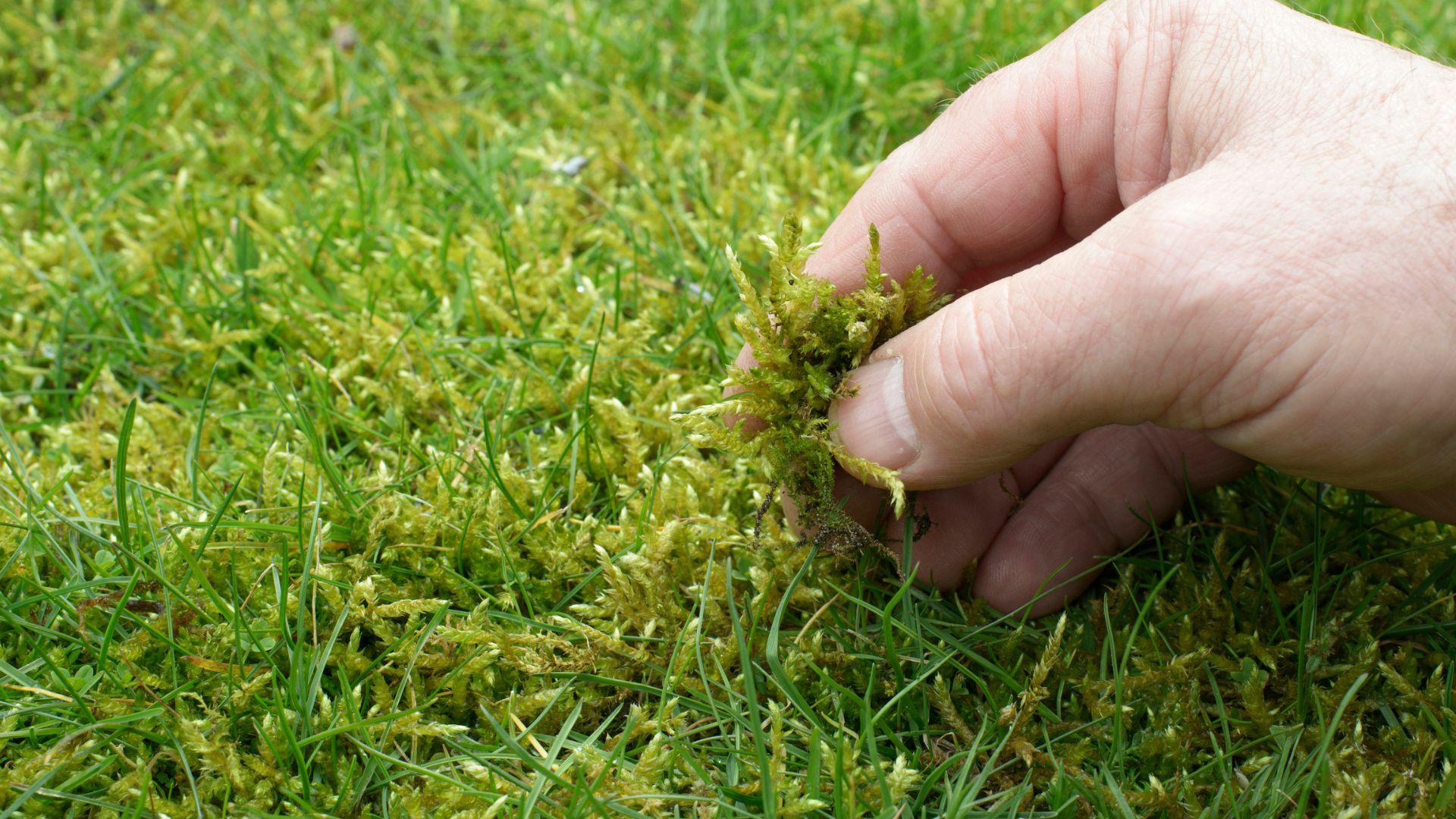
The Complete Disease Control Approach: Our Prevention and Treatment Programs
At Lawn Squad of Columbus, our ELITE program includes disease control in Rounds 3, 4, and 5, covering the peak disease pressure months from late May through mid-August. This preventative approach stops fungal infections before they cause visible damage.
Why does prevention matter? Once you see disease symptoms, the fungus has already been active in your lawn for days or weeks. Curative treatments can stop the spread, but they can’t undo damage that’s already occurred. Grass in severely affected areas may need to regrow from surrounding healthy turf or be reseeded.
Preventative fungicide applications create a protective barrier that stops fungal spores from infecting grass plants. This approach is more effective, often less expensive over a full season, and results in healthier turf compared to waiting for problems to appear and treating reactively.
Whether you manage disease control yourself or work with professionals, understanding what conditions trigger lawn diseases helps you recognize risk and take action before damage occurs.
Why Lawn Disease Matters More Than Most Central Ohio Homeowners Realize
Lawn diseases can destroy months of lawn care work in a matter of weeks.
Here’s what happens during a fungal infection: microscopic fungal spores land on grass blades and, when conditions are right, germinate and begin feeding on plant tissue. The fungus spreads through the plant and to neighboring plants through spore dispersal, root contact, or movement of infected plant material. By the time you notice brown or dying grass, thousands of individual plants may already be infected.
Central Ohio’s climate creates ideal conditions for turf diseases. Our humid summers provide the moisture fungi need to thrive. Temperature swings between day and night create condensation on grass blades, keeping them wet for extended periods. Heavy clay soils hold water and stay damp longer than sandy soils. All these factors combine to make lawn disease a persistent challenge in Greater Columbus, Dublin, Westerville, New Albany, and surrounding communities.
The key principle is this: lawn diseases are opportunistic. They attack grass that’s already stressed from drought, heat, improper mowing, excessive nitrogen, or other factors. Healthy, properly maintained lawns can resist infection better than weak, stressed turf. Disease management starts with good lawn care practices, not just fungicide applications.
Columbus presents specific disease challenges that generic lawn care advice doesn’t address. Our weather patterns, soil types, and common grass varieties all influence which diseases are most likely to appear and when they’re most active.
Brown Patch: The Most Common Summer Disease
Brown patch is the disease Central Ohio homeowners encounter most frequently. It affects all cool season grasses but hits tall fescue and perennial ryegrass hardest.
How to Identify Brown Patch
Brown patch creates distinctive circular patches of dead or dying grass, typically ranging from 6 inches to several feet in diameter. In the early morning when dew is present, you may see a dark gray or purplish “smoke ring” border around the affected area where the fungus is actively growing.
A key identifying feature is the “frog eye” pattern: dead grass forms a ring with apparently healthy grass in the center. This happens because the fungus kills grass as it spreads outward, and older infected areas in the center sometimes recover before newer infections on the edges.
Individual grass blades in affected areas turn tan or light brown and pull easily from the plant at the base. Close inspection may reveal lesions on the blades, often with a darker border surrounding a tan center.
Conditions That Trigger Brown Patch
Brown patch thrives when nighttime temperatures stay above 65 degrees and humidity is high. In Columbus, these conditions typically occur from mid-June through August. The fungus becomes especially active when:
- Nights are warm and humid
- Grass stays wet for more than 10 hours (from dew, irrigation, or rain)
- Lawns have been heavily fertilized with nitrogen
- Thatch layer is excessive (more than 0.5 inches)
- Air circulation is poor due to landscape features
Prevention and Treatment
Cultural prevention: Water early in the morning so grass dries before evening. Avoid fertilizing with high nitrogen during summer months. Improve air circulation by pruning low tree branches. Maintain proper mowing height at 3 to 3.5 inches.
Fungicide prevention: Lawn Squad’s ELITE program applies disease control in Rounds 3, 4, and 5, providing protection during peak brown patch season. Preventative applications are timed before conditions favor disease development.
Curative treatment: If brown patch appears despite prevention, curative fungicide applications can stop the spread. Pricing for fungicide curative treatments at Lawn Squad ranges from $77 to $440 depending on lawn size. Affected areas will recover as new growth emerges, though severely damaged spots may need overseeding in fall.
Dollar Spot: Small Spots, Big Problems
Dollar spot gets its name from the silver dollar-sized dead spots it creates. Though each individual spot is small, dollar spot can produce dozens or hundreds of spots that merge into large damaged areas.
How to Identify Dollar Spot
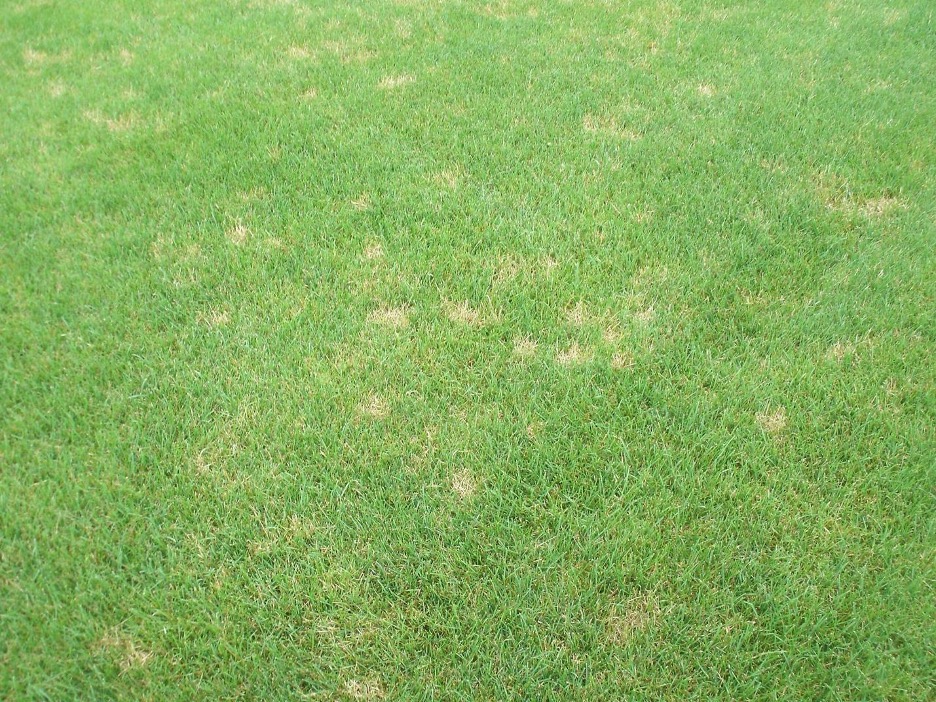
Dollar spot appears as small, circular bleached or straw-colored spots, roughly 2 to 4 inches in diameter. The spots often have a sunken appearance and are clearly defined against surrounding healthy grass.
In early morning while dew is present, you may see white, cottony mycelium (fungal threads) on affected grass. Individual blades show distinctive lesions with tan centers and reddish-brown borders that often resemble an hourglass shape.
When numerous spots occur close together, they merge into larger irregular dead areas. From a distance, an affected lawn looks mottled with scattered dead patches.
Conditions That Trigger Dollar Spot
Dollar spot is most active during mild temperatures, typically 60 to 85 degrees, making it a problem in late spring and early fall in Columbus. The fungus thrives when:
- Nights are cool and dew is heavy
- Lawns are under-fertilized and nitrogen-deficient
- Soil is dry but leaf surfaces stay wet from dew
- Thatch is excessive
- Grass is mowed too short
Unlike brown patch, dollar spot is more common in lawns that lack adequate nitrogen. This creates an interesting management challenge: too much nitrogen promotes brown patch, while too little promotes dollar spot.
Prevention and Treatment
Cultural prevention: Maintain consistent fertility through the growing season. Water deeply but infrequently, and water in the morning. Remove excessive thatch. Maintain mowing height at 3 to 3.5 inches.
Fungicide treatment: Both preventative and curative fungicides are effective against dollar spot. Recovery is usually good because dollar spot typically kills leaf tissue without destroying the entire plant. Grass usually grows out of the damage within a few weeks with proper care.
Red Thread: The Pink Menace
Red thread is common in Columbus lawns during cool, wet periods. While it looks alarming, red thread rarely causes permanent damage.
How to Identify Red Thread
The most distinctive feature is the pink to red thread-like structures (called sclerotia) that extend from the tips of infected grass blades. These threads are visible without magnification and can be up to a half inch long.
Affected areas appear as irregularly shaped patches of tan or pink-tinged grass, typically 4 inches to 2 feet in diameter. The patches often have a ragged appearance rather than the clean circles of brown patch.
From a distance, an infected lawn may have an overall pinkish cast, especially when viewed in early morning light.
Conditions That Trigger Red Thread
Red thread is most active during cool, humid weather with temperatures between 40 and 75 degrees. In Columbus, this typically means spring and fall, though it can appear during cool, wet summer periods. Contributing factors include:
- Extended wet periods from rain or heavy dew
- Low soil fertility, especially nitrogen deficiency
- Slow-growing grass
- Poor air circulation
Prevention and Treatment
Cultural prevention: Maintain adequate nitrogen fertility. Improve air circulation in problem areas. Reduce shade if possible.
Fungicide treatment: Fungicides can control red thread, but the disease is often self-limiting. Once conditions change and grass begins growing actively, the lawn typically recovers without intervention. If red thread appears repeatedly in the same areas, address underlying fertility or drainage issues.
Rust: The Orange Powder Problem
Rust is hard to miss. If you walk across an infected lawn and your shoes turn orange, you’ve found rust.
How to Identify Rust
Rust produces yellow-orange to reddish-brown pustules on grass blades. When you rub an infected blade between your fingers, it leaves an orange or rust-colored powder. Shoes, mower wheels, and pets pick up this powder when moving through infected turf.
Infected grass blades turn yellow overall and may die back from the tips. Severely infected lawns have a distinct orange or yellow cast when viewed from a distance.
Conditions That Trigger Rust
Rust becomes a problem when grass growth slows but environmental conditions remain warm. Late summer and early fall are peak rust season in Central Ohio, when:
- Temperatures are moderate (70 to 80 degrees)
- Humidity is high, especially morning dew
- Grass growth has slowed due to heat or drought stress
- Nitrogen fertility is low
- Grass stays wet for extended periods
Kentucky bluegrass and perennial ryegrass are particularly susceptible. Lawns in shade or with poor air circulation are at higher risk.
Prevention and Treatment
Cultural prevention: Keep grass actively growing with adequate nitrogen fertility. Water during drought to prevent stress-induced slow growth. Improve air circulation in problem areas.
Fungicide treatment: Fungicides can control rust, but improving growing conditions is often more effective. Once grass resumes active growth (usually with fall rains and cooler temperatures), rust typically disappears. Frequent mowing removes infected leaf tissue and promotes new, healthy growth.
Summer Patch: The Hot Weather Killer
Summer patch is less common than brown patch but potentially more damaging. It attacks grass roots and crowns, often killing plants completely rather than just damaging leaves.
How to Identify Summer Patch
Summer patch creates circular dead patches, usually 6 inches to 3 feet in diameter. The distinctive feature is the “frog eye” pattern, with dead grass forming a ring around surviving grass in the center (similar to brown patch but often more pronounced).
The dead grass in summer patch areas is completely dead to the roots, not just damaged leaves. Pull on the grass, and it comes up easily with no resistance. The roots will be brown or black and rotted.
Affected areas often appear first along driveways, sidewalks, or other heat-reflecting surfaces where soil temperatures are highest.
Conditions That Trigger Summer Patch
Summer patch is a root disease that develops when soil temperatures are high, typically above 85 degrees. In Columbus, this means July and August are peak risk months. Contributing factors include:
- Hot, dry conditions followed by heavy rain
- Compacted soil
- Excessive thatch
- High soil pH
- Short mowing height
- Newly established lawns (one to three years old)
Prevention and Treatment
Cultural prevention: Maintain proper mowing height (3.5 inches during hot weather). Aerate compacted soils. Reduce thatch. Water deeply but infrequently to encourage deep root growth. Avoid excessive nitrogen during summer.
Fungicide treatment: Preventative fungicides can protect against summer patch, but they must be applied before symptoms appear (typically late May or early June). Once summer patch damage is visible, the roots are already dead and fungicides can only prevent further spread. Damaged areas typically need overseeding in fall.
How to Create Conditions That Prevent Disease
Most lawn diseases share common triggers: excessive moisture, poor air circulation, stressed grass, and improper maintenance. Addressing these factors prevents many disease problems before they start.
Watering Best Practices
Water in the early morning. This allows grass blades to dry before evening, reducing the wet period fungi need to infect plants. Watering in the evening extends leaf wetness through the night, dramatically increasing disease risk.
Water deeply and infrequently. Apply about one inch of water per week, including rainfall. This encourages deep root growth and allows the soil surface to dry between waterings.
Don’t water daily. Frequent light watering keeps the soil surface constantly moist and encourages shallow root systems, both of which favor disease development.
Mowing Practices
Maintain proper height. Keep grass at 3 to 3.5 inches during the growing season. Taller grass shades the soil, moderates temperature, and develops deeper roots.
Never remove more than one-third. Cutting too much at once stresses grass and weakens its ability to resist disease.
Keep blades sharp. Dull mower blades tear grass rather than cutting it cleanly. Torn edges dry slowly and provide easy entry points for fungal infection.
Mow when grass is dry. Mowing wet grass spreads disease spores and causes uneven cuts that stress turf.
Fertilization Practices
Maintain consistent fertility. Neither over-fertilizing nor under-fertilizing is good. Excessive nitrogen promotes lush growth that’s susceptible to brown patch. Inadequate nitrogen creates weak grass susceptible to dollar spot and red thread.
Avoid heavy nitrogen in summer. Reduce nitrogen applications during the hottest months when brown patch risk is highest.
Use slow-release fertilizers. These provide steady nutrition without the growth surges that stress grass and favor disease.
Common Lawn Disease Mistakes Central Ohio Homeowners Make
After caring for lawns throughout Greater Columbus since 2001, we’ve seen homeowners make the same disease-related mistakes repeatedly. Avoiding these errors protects your lawn from preventable damage.
Mistake #1: Watering in the evening Evening watering means grass stays wet all night, providing the extended moisture period fungi need to infect plants. Morning watering allows grass to dry before nightfall, dramatically reducing disease pressure.
Mistake #2: Ignoring early symptoms Lawn diseases spread rapidly under favorable conditions. What starts as one small brown spot can become dozens within a week. The sooner you identify and address disease, the less damage it causes.
Mistake #3: Assuming brown grass is drought stress Brown patches in summer are often assumed to be drought damage. While drought does cause grass to brown, so do several common diseases. Treating drought-stressed grass differently than diseased grass leads to wasted effort and continued damage.
Mistake #4: Over-fertilizing to “help” sick grass When grass looks bad, homeowners often apply fertilizer thinking it will help recovery. If the problem is disease (especially brown patch), excess nitrogen makes the problem worse, feeding the fungus and promoting susceptible new growth.
Mistake #5: Spreading disease through mowing Mowing an infected lawn, then mowing healthy areas with the same equipment, spreads fungal spores throughout your property. If you have visible disease, mow infected areas last and clean your mower before the next use.
Preventative vs. Curative Treatment: Which Should You Choose?
Preventative fungicide treatment applies fungicide before disease symptoms appear. This approach works by protecting grass from infection during high-risk periods. It’s generally more effective, often more economical over a full season, and results in healthier turf overall.
Best for: Lawns with a history of disease problems, properties with conditions that favor disease (shade, poor drainage, limited air circulation), and homeowners who want maximum protection.
Curative fungicide treatment applies fungicide after disease symptoms appear. This approach stops the spread of existing infections but cannot repair damage already done. It’s a reactive approach that accepts some damage in exchange for avoiding preventative costs.
Best for: Homeowners willing to monitor their lawns closely and respond quickly to symptoms, properties without significant disease history, and those on tighter budgets.
Lawn Squad’s approach: The ELITE program includes preventative disease control in Rounds 3, 4, and 5, covering May through August when disease pressure peaks in Central Ohio. This proactive approach prevents most common lawn diseases before they cause damage. Curative treatments are available for any breakthrough infections or for customers on programs that don’t include preventative disease control.
| Service | Lawn Size | Price Range |
|---|---|---|
| Fungicide Program (preventative) | 1K to 5K sq ft | $55 to $77 |
| Fungicide Program (preventative) | 6K to 10K sq ft | $88 to $132 |
| Fungicide Program (preventative) | 11K to 15K sq ft | $143 to $187 |
| Fungicide Curative | 1K to 5K sq ft | $77 to $110 |
| Fungicide Curative | 6K to 10K sq ft | $126.50 to $192.50 |
| Fungicide Curative | 11K to 15K sq ft | $209 to $275 |
Your Central Ohio Lawn Disease Calendar at a Glance
Disease Risk by Season
| Season | Primary Diseases | Conditions | Prevention Focus |
|---|---|---|---|
| Spring (March to May) | Dollar spot, red thread | Cool, wet weather | Maintain fertility, morning watering |
| Early Summer (June) | Brown patch begins | Warming nights, humidity | Reduce nitrogen, improve airflow |
| Mid-Summer (July to August) | Brown patch, summer patch | Hot days, warm nights | Preventative fungicide, deep watering |
| Late Summer (August to September) | Rust, dollar spot | Slowing growth, morning dew | Maintain nitrogen, frequent mowing |
| Fall (September to November) | Dollar spot, red thread | Cool, wet weather | Fall fertilization, aeration |
Lawn Squad Treatment Schedule for Disease Control
| Round | Timing | Disease Control Service |
|---|---|---|
| 3 | May 25 | Disease control begins (ELITE program) |
| 4 | July 6 | Continued disease control (ELITE program) |
| 5 | August 17 | Final disease control application (ELITE program) |
The Bottom Line
Lawn disease is a persistent challenge in Central Ohio, but understanding what to look for and how to respond protects your lawn from serious damage.
Key principles to remember:
- Most lawn diseases thrive in moist conditions, so morning watering is essential
- Brown patch is most common during warm, humid summer nights
- Dollar spot and red thread indicate nitrogen deficiency
- Rust typically resolves when grass resumes active growth
- Prevention is more effective and often less expensive than reactive treatment
- Cultural practices like proper mowing, watering, and fertilization prevent many disease problems
Central Ohio homeowners who understand disease conditions and maintain good lawn care practices experience far fewer disease problems than those who react only after damage appears.
Let Lawn Squad Handle It For You
Every Columbus property has different disease risk factors. Shade levels, drainage patterns, microclimates, and lawn history all influence what diseases are likely to appear and how aggressive they’ll be.
Lawn Squad of Columbus has protected lawns throughout Greater Columbus, Dublin, Westerville, New Albany, Pataskala, Pickerington, and surrounding Central Ohio communities since 2001. We understand the specific disease pressures our region faces and time our treatments accordingly.
The ELITE Program includes:
- Three disease control applications timed for peak risk periods
- Coverage from late May through mid-August when most diseases are active
- Professional identification of disease problems
- Access to commercial-grade fungicides
- Integrated approach that addresses cultural factors, not just chemical treatment
- Unlimited service calls if problems appear between treatments
Stop watching brown circles spread across your lawn every summer. Stop guessing whether you’re dealing with drought or disease. Stop losing the lawn you’ve worked hard to build.
Contact Lawn Squad of Columbus today at 740-549-9991 to get a free quote and protect your lawn from the diseases that threaten Central Ohio turf.