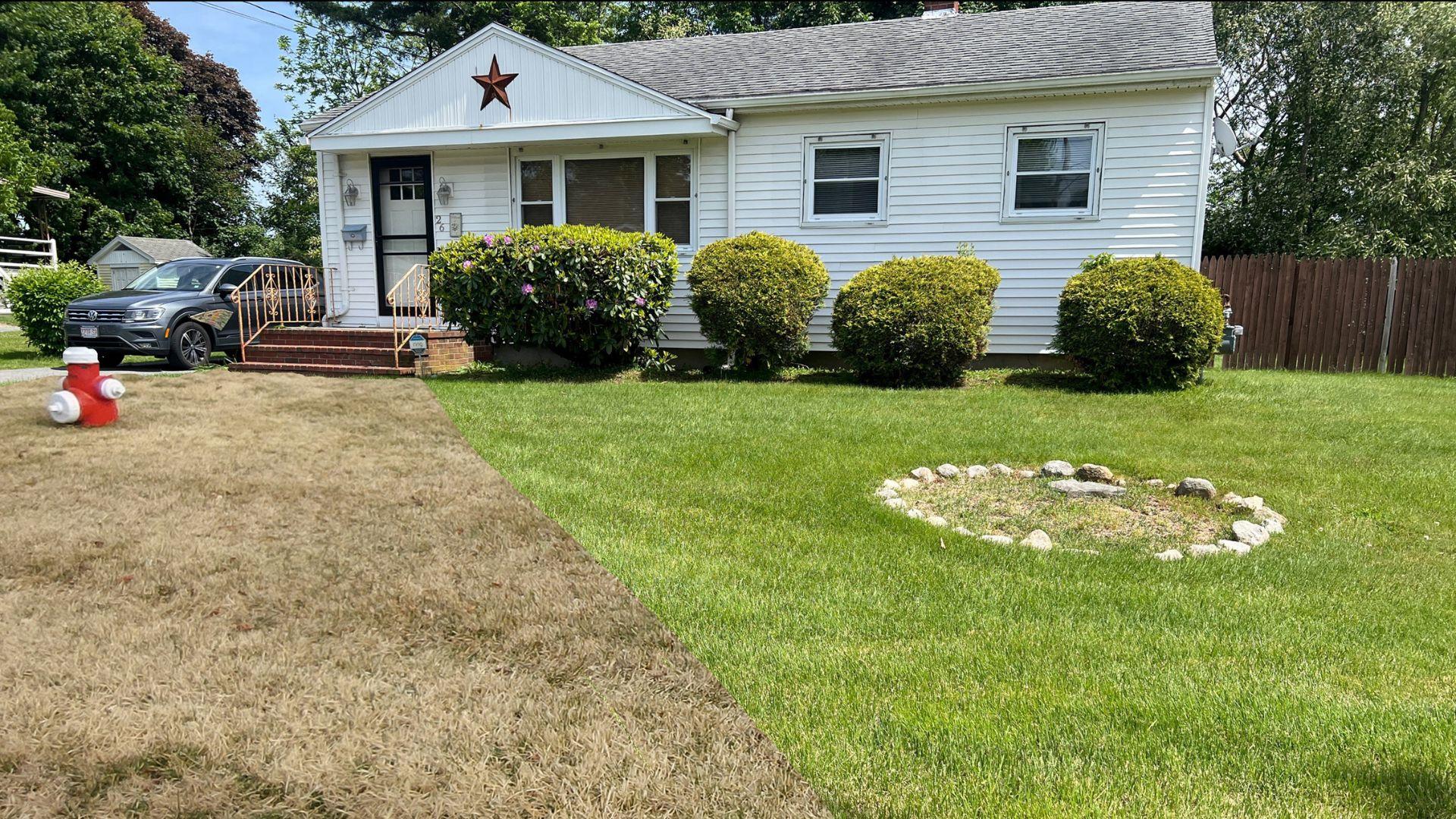
The short answer: Bermuda grass and Zoysia grass are the best heat-tolerant options for most Central Georgia lawns, though the right choice depends on your yard’s sun exposure and how much maintenance you want to do.
Bermuda grass thrives in full sun and handles Central Georgia’s hot summers like a champ. Zoysia works better if you have some shaded areas and prefer a softer feel underfoot.
Quick overview:
- Bermuda grass: Best for full sun, high traffic, and homeowners who want a tough lawn
- Zoysia grass: Best for partial shade, less foot traffic, and a denser look
- Centipede grass: Best for low maintenance, acidic soils, and minimal fertilizing
Keep reading to find the perfect match for your Central Georgia lawn and learn how to keep it thriving through our brutal summers.
The Complete Lawn Care Approach: Our 5-Step Program
A healthy, heat-tolerant lawn in Central Georgia does not happen by accident. It takes the right grass type combined with proper care throughout the year.
Our lawn care program is built specifically for the challenges Central Georgia homeowners face. From the red clay soil to the humid summers and unpredictable spring weather, we have designed every step to help warm-season grasses thrive.
Whether you tackle lawn care yourself or bring in professionals, understanding what your grass needs will help you make smarter decisions and get better results.
Why Heat Tolerance Matters More Than Most Central Georgia Homeowners Realize
Choosing the wrong grass type for Central Georgia is like planting a cactus in a swamp. It might survive for a while, but it will never truly thrive.
Central Georgia summers regularly hit the mid-90s with humidity that makes it feel even hotter. Cool-season grasses like fescue struggle and often die during July and August. Even some warm-season varieties cannot handle our combination of heat, humidity, and clay soil.
The key principle is this: grass that matches your climate needs less water, less fertilizer, and less of your time. Grass that fights your climate will drain your wallet and your weekends.
Central Georgia sits in USDA Hardiness Zone 8a, which means we get mild winters but intense summers. This creates the perfect environment for warm-season grasses that go dormant in winter and explode with growth when temperatures climb.
Bermuda Grass Guide for Central Georgia Lawns
Bermuda grass is the most popular choice for Central Georgia lawns, and for good reason. It loves heat, handles drought, and recovers quickly from damage.
Understanding Bermuda’s Strengths
Bermuda grass actively grows when temperatures stay between 75 and 99 degrees. That is basically May through September in Central Georgia. It spreads through both stolons (above-ground runners) and rhizomes (underground runners), which means it fills in bare spots on its own.
This grass can survive on as little as one inch of water per week once established. During extreme drought, it goes dormant and turns brown but bounces back when rain returns.
Sunlight Requirements
Bermuda grass needs at least 6 to 8 hours of direct sunlight daily. If your yard has large shade trees or sits on the north side of your house, Bermuda will thin out and struggle in those areas.
Look at your yard throughout the day before choosing Bermuda. Morning shade is less damaging than afternoon shade, but consistent full sun produces the best results.
Mowing for Central Georgia Conditions
Keep Bermuda grass between 1 and 2 inches tall during the growing season. Mow frequently enough that you never remove more than one-third of the blade height at once.
During peak summer, this might mean mowing twice per week. Yes, that sounds like a lot, but shorter, more frequent mowing produces a thicker, healthier lawn that crowds out weeds.
Watering Through Central Georgia Summers
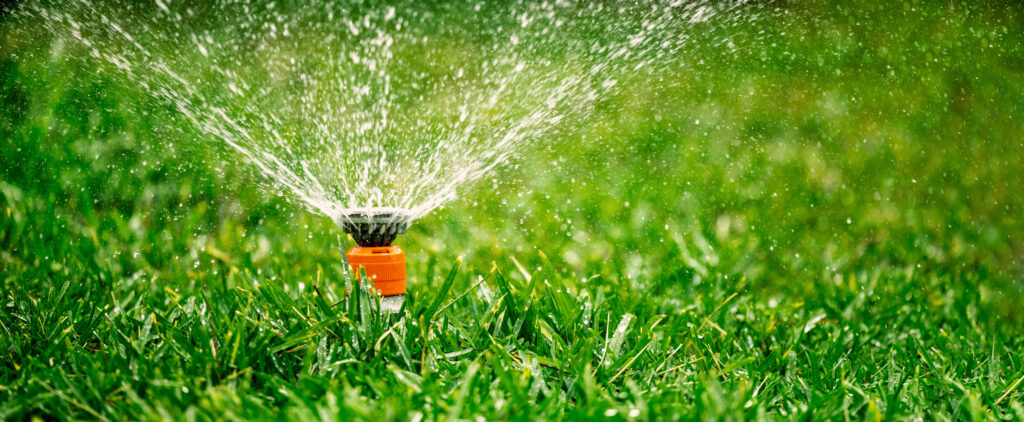
Water deeply but infrequently. Bermuda grass develops deeper roots when you water 1 inch once or twice per week rather than a little bit every day.
Water early in the morning, between 4 AM and 9 AM. This gives the grass time to dry before nightfall, which reduces disease problems that thrive in our humid climate.
Critical warning: Overwatering Bermuda grass is just as harmful as underwatering. Soggy soil leads to shallow roots, fungal diseases, and a lawn that cannot survive drought.
Our lawn care program includes proper irrigation scheduling designed specifically for Central Georgia’s soil and climate conditions.
Zoysia Grass Guide for Central Georgia Lawns
Zoysia grass offers an excellent alternative for Central Georgia homeowners who have some shade or want a denser, more carpet-like lawn.
Why Zoysia Works in Central Georgia
Zoysia handles heat nearly as well as Bermuda but tolerates more shade. It needs only 3 to 4 hours of direct sunlight, making it ideal for yards with mature trees.
The grass blades are softer and finer than Bermuda, creating a lawn that feels better under bare feet. Zoysia also grows more slowly, which means less frequent mowing.
Establishment Takes Patience
Here is the honest truth about Zoysia: it takes longer to establish than Bermuda. Plan on 2 to 3 years before a Zoysia lawn fully fills in and reaches its potential.
This slow growth is actually an advantage once established. Zoysia forms such a dense turf that weeds have a hard time breaking through.
Managing Thatch Buildup
Zoysia produces more thatch than other Central Georgia grasses. Thatch is the layer of dead grass material that builds up between the soil and the green blades.
A thin layer (less than half an inch) is fine. More than that blocks water and nutrients from reaching the roots. Plan to dethatch Zoysia lawns every 2 to 3 years.
Avoid Heavy Shade
While Zoysia tolerates partial shade, it will not survive in deep shade. If an area gets less than 3 hours of filtered sunlight, consider a shade-tolerant ground cover instead of fighting a losing battle with grass.
How to Calculate Your Lawn’s Watering Needs
You have probably heard the advice to water your lawn 1 inch per week. But how do you actually measure that?
Step by step process:
- Place 5 or 6 empty tuna cans or similar containers around your lawn while the sprinkler runs
- Run your sprinkler for 30 minutes
- Measure the water depth in each can with a ruler
- Average the measurements together
- Calculate how long to run your sprinkler to reach 1 inch total
For example, if you collect half an inch of water in 30 minutes, you need to water for one hour to apply 1 inch. In Central Georgia’s clay soil, split this into two 30-minute sessions to prevent runoff.
What About Professional Fertilization?
Fertilizing heat-tolerant grass at the right time makes an enormous difference in how well it handles Central Georgia summers.
Warm-season grasses like Bermuda and Zoysia need nitrogen when they are actively growing, roughly April through September. Fertilizing too early in spring pushes new growth before the grass is ready, making it vulnerable to late frosts.
Our fertilization program times applications based on soil temperature, not calendar dates. This ensures your grass gets nutrients exactly when it can use them.
We recommend professional fertilization every 6 to 8 weeks during the growing season. This steady feeding builds a root system that stores energy for summer stress.
Common Heat-Tolerant Grass Mistakes Central Georgia Homeowners Make
After caring for thousands of Central Georgia lawns, we see the same problems over and over.
Mistake #1: Planting Cool-Season Grass Big box stores sell fescue and bluegrass seed because it works in other parts of the country. In Central Georgia, these grasses struggle through summer and often die completely by year three.
Mistake #2: Mowing Too Short Scalping your lawn does not mean you can mow less often. It weakens the grass, exposes soil to weed seeds, and causes the roots to shrink. Keep Bermuda at 1.5 to 2 inches and Zoysia at 1 to 2 inches.
Mistake #3: Watering Every Day Daily light watering trains grass roots to stay near the surface. When drought hits, those shallow roots cannot reach deeper moisture. Water deeply twice per week instead.
Mistake #4: Fertilizing in Winter Feeding dormant warm-season grass wastes money and can actually damage the lawn. Save fertilizer applications for late spring through early fall when the grass actively grows.
Mistake #5: Ignoring Soil pH Central Georgia’s red clay often runs acidic. Bermuda and Zoysia prefer a pH between 6.0 and 7.0. A simple soil test tells you if you need lime to raise the pH.
Bermuda vs. Zoysia: Which Should You Choose?
Bermuda grass offers aggressive growth, excellent heat tolerance, and quick recovery from damage. It requires more mowing and needs full sun to thrive. Best for: Active families, full-sun yards, sports and play areas, homeowners who want fast results
Zoysia grass provides a dense, soft lawn with better shade tolerance and slower growth. It takes longer to establish and requires periodic dethatching. Best for: Partially shaded yards, front lawns with less traffic, homeowners who prefer less frequent mowing
Your Central Georgia Lawn Care Calendar at a Glance
Bermuda Grass
| When | What to Do | Details |
|---|---|---|
| March | Watch for green-up | Do not fertilize until grass is 50% green |
| April to May | First fertilizer application | Apply when soil reaches 65 degrees |
| May to August | Regular mowing | Keep at 1.5 to 2 inches, mow every 5 to 7 days |
| June to August | Deep watering | 1 inch per week, early morning |
| September | Final fertilizer | Light application to prepare for dormancy |
| November to February | Dormancy | Reduce watering, stop fertilizing |
Zoysia Grass
| When | What to Do | Details |
|---|---|---|
| April | Watch for green-up | Zoysia wakes up later than Bermuda |
| May | First fertilizer application | Apply after full green-up |
| May to September | Regular mowing | Keep at 1 to 2 inches, mow every 7 to 10 days |
| June to August | Deep watering | 1 inch per week, early morning |
| Every 2 to 3 years | Dethatch | Do this in late spring when grass is growing |
| October | Stop fertilizing | Allow natural dormancy preparation |
The Bottom Line
A heat-tolerant lawn in Central Georgia starts with choosing the right grass and continues with consistent, proper care throughout the year.
Key principles to remember:
- Bermuda and Zoysia are your best options for Central Georgia’s climate
- Full sun yards do best with Bermuda; partial shade yards do best with Zoysia
- Water deeply twice per week rather than lightly every day
- Mow frequently but never remove more than one-third of the blade height
- Fertilize only during active growth from late spring through early fall
Follow these guidelines and your lawn will not just survive Central Georgia summers. It will thrive.

Let Us Handle It For You
Every Central Georgia lawn is different. Your soil composition, sun exposure, existing grass type, and personal goals all affect what your lawn needs.
Our lawn care program accounts for all these factors and adjusts throughout the year based on actual conditions, not just calendar dates.
Our Central Georgia Lawn Care Program includes:
- Customized fertilization timing based on soil temperature
- Weed prevention targeted to Central Georgia’s most common invaders
- Proper mowing height recommendations for your specific grass type
- Irrigation scheduling that accounts for our clay soil and summer heat
Stop spending your weekends fighting your lawn. Life is too short to stress over grass.
Contact us today for a free lawn evaluation and discover how easy a beautiful Central Georgia lawn can be.