
The short answer is that managing grubs in Pennsylvania lawns requires preventive treatment in late spring or early summer, before grubs hatch and start feeding on your grass roots. Once you see damage, the grubs have already been eating for weeks.
For most Pennsylvania homeowners, the best approach is applying a preventive grub control product in June or early July. This targets newly hatched grubs when they’re small and vulnerable. Waiting until fall when damage appears means you’re fighting much larger grubs that are harder to kill.
Quick overview:
Preventive treatment (June to early July): Apply grub preventer before eggs hatch to stop the problem before it starts.
Curative treatment (late August to September): Treat active infestations when grubs are still feeding near the surface.
Fall and spring limitations: Grubs are either too deep in the soil or too large for most treatments to work effectively.
Keep reading to learn exactly how to protect your Pennsylvania lawn from grub damage and what to do if you already have an infestation.
The Complete Grub Management Approach: Our 6 Step Program
Our lawn care program includes grub prevention as a standard part of protecting Pennsylvania lawns. We’ve found that preventive treatment is far more effective and less expensive than trying to repair grub damage after it happens.
What makes this approach work is timing. Grub control isn’t something you can do whenever you notice a problem. The products only work during specific windows when grubs are vulnerable. Miss those windows and you’re stuck with damaged turf.
Whether you handle grub prevention yourself or include it in a professional lawn care program, understanding the grub life cycle will help you make better decisions about protecting your lawn.
Why Grub Management Matters More Than Most Pennsylvania Homeowners Realize
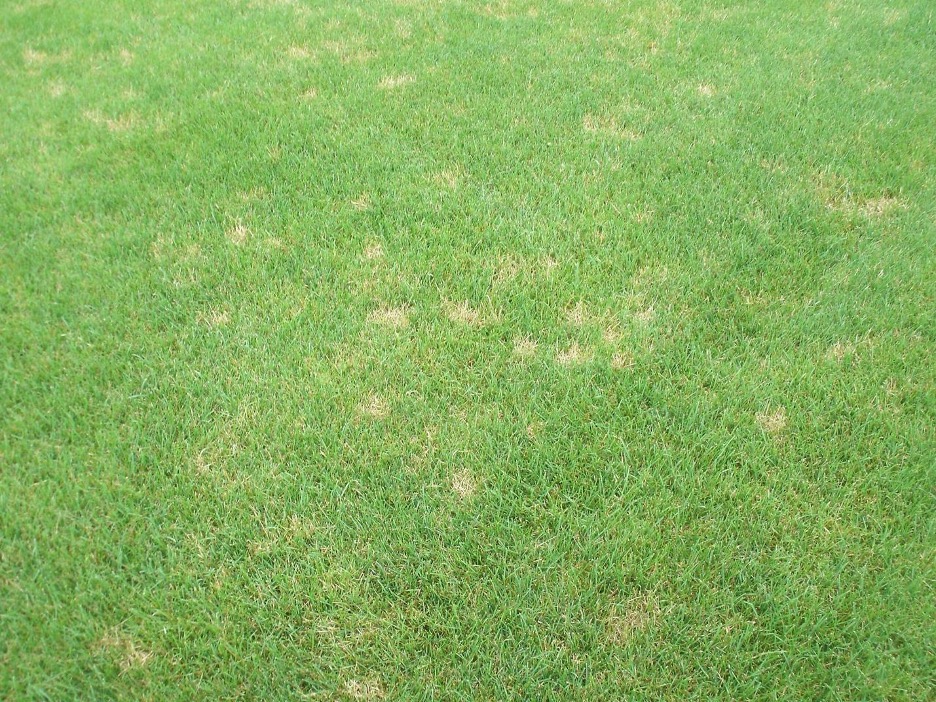
Grubs are the larval stage of beetles, and they live underground eating grass roots. By the time you see brown patches in your lawn, grubs have been feeding for weeks or months. The damage is already done.
A grub infested lawn doesn’t just look bad. The grass literally detaches from the soil because the roots have been eaten away. You can often roll back damaged turf like a loose carpet. Repairing this damage requires reseeding or sodding, which costs far more than prevention.
Grub damage also attracts secondary problems. Skunks, raccoons, and birds tear up lawns searching for grubs to eat. This digging causes additional damage on top of what the grubs already caused.
The key principle is this: grub management is about prevention, not reaction. Once you have significant damage, prevention has failed and you’re in repair mode.
Pennsylvania lawns face pressure from several grub species, including Japanese beetle grubs, European chafer grubs, and Oriental beetle grubs. All of them follow similar life cycles and respond to similar treatment timing.
Preventive Grub Control Guide for Pennsylvania Lawns
Prevention is the most effective way to manage grubs in Pennsylvania. The goal is to have product in the soil before eggs hatch so young grubs die before they can cause damage.
Step 1: Understand the Grub Life Cycle (Know Your Enemy)
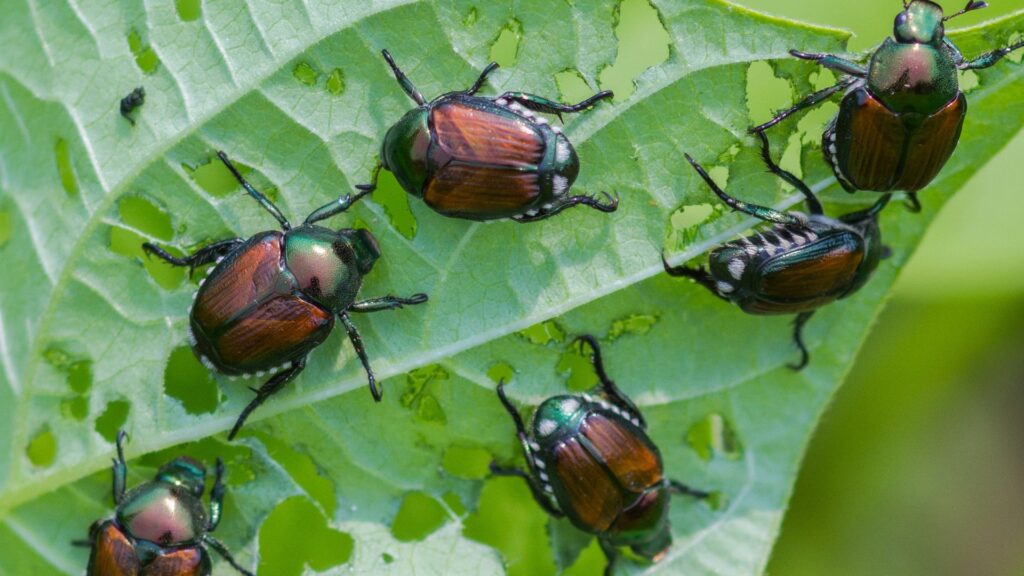
Adult beetles emerge from the soil in late spring and early summer. Japanese beetles, the most common source of lawn grubs in Pennsylvania, are active from late June through July.
Female beetles lay eggs in lawn soil during July. These eggs hatch in late July through August, and tiny grubs begin feeding on grass roots immediately.
This matters because your treatment window depends on this cycle. Preventive products need to be in the soil before those eggs hatch.
Step 2: Choose the Right Preventive Product (May to June)
Look for grub preventers containing chlorantraniliprole (sold as GrubEx and other brands) or imidacloprid. These products work differently but both target young grubs effectively.
Chlorantraniliprole can be applied earlier (April through June) because it remains active in soil longer. Imidacloprid should be applied closer to egg hatching time (June to mid July).
Read product labels carefully for specific timing in your region. Pennsylvania falls in the northern range where grub activity starts slightly later than southern states.
Step 3: Apply Preventive Treatment (June to Early July)
Apply grub preventer evenly across your entire lawn using a broadcast spreader. Follow label rates exactly because more product doesn’t mean better protection.
Water the product into the soil after application. Most preventive products need about half an inch of water to move them into the root zone where grubs will be feeding.
Apply before mid July in most of Pennsylvania. After that point, eggs begin hatching and preventive products become less effective.
Step 4: Mark Your Calendar for Next Year
Grub prevention is an annual task. One treatment doesn’t provide lasting protection because new beetles lay new eggs every summer.
Set a reminder for late May or early June to purchase and apply grub preventer. Making this part of your routine prevents the “I forgot and now I have grubs” situation.
Critical warning: Preventive grub products do not kill grubs that are already present and feeding. If you’re seeing damage now, you need a curative product, not a preventer. Many Pennsylvania homeowners waste money applying preventers in fall when grubs are already established. The preventer sits in the soil doing nothing until it breaks down.
Our lawn care program includes properly timed grub prevention so you never have to worry about remembering when to apply.
Curative Grub Treatment Guide for Pennsylvania Lawns
If you missed the prevention window or discover an active infestation, curative treatments can help. But timing still matters.
Step 1: Confirm You Actually Have Grubs (August to September)
Before treating, verify that grubs are causing your brown patches. Other problems like drought stress, fungal disease, and dog urine cause similar symptoms.
Cut a one foot square section of turf in a damaged area and peel it back. Count the grubs you see in the soil. In Pennsylvania, more than ten grubs per square foot typically indicates a damaging population.
Grubs are white, C shaped larvae with tan or brown heads. They curl into a C shape when disturbed.
Step 2: Choose a Curative Product (Late August to September)
Curative products containing carbaryl (Sevin) or trichlorfon (Dylox) kill grubs on contact. These work faster than preventive products but don’t last as long in the soil.
Apply curative products when grubs are actively feeding near the soil surface. In Pennsylvania, this window runs from late August through September.
Important Consideration: Treatment Timing Limitations
Curative products work best on small to medium sized grubs. By October, grubs in Pennsylvania have grown large and begin moving deeper into the soil to overwinter. Treatments become much less effective.
If you discover grub damage in late fall or early spring, curative treatment is unlikely to help. The grubs are either too deep or too large. Your best option at that point is repairing the damage and applying preventive treatment for the next generation.
Spring grub treatments rarely work well in Pennsylvania because overwintered grubs are large, feed briefly, and quickly pupate into adult beetles.
Step 3: Apply and Water Thoroughly
Apply curative products according to label directions using a broadcast spreader. Coverage needs to be even across affected areas.
Water heavily after application. Curative products need to reach the grubs, which means getting the product several inches into the soil. Apply at least half an inch of water immediately after treatment.
How to Check Your Lawn for Grub Damage
Knowing how to identify grub damage helps you catch problems early and make informed treatment decisions.
Step by step process:
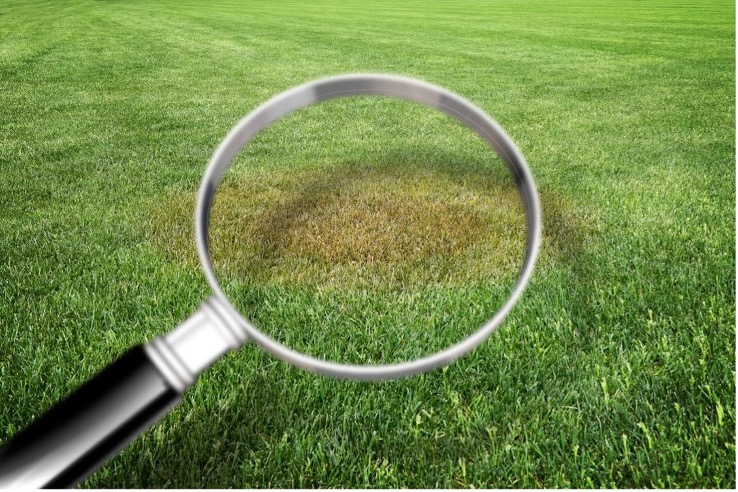
First, look for irregularly shaped brown patches that don’t respond to watering. Grub damage often appears in late summer or early fall when grubs are largest and feeding most heavily.
Second, try the tug test. Grab a handful of grass in a brown area and pull. If the turf lifts easily with no root resistance, grubs have likely eaten the roots.
Third, cut and peel back a section of turf to count grubs directly. This confirms whether grubs are the problem and how severe the infestation is.
Practical identification: Japanese beetle grubs are about one inch long when fully grown, white with a brown head, and have a distinctive pattern of hairs on their rear end that forms a V shape. Other grub species look similar but have different hair patterns.
What About Natural Grub Control Options?
For Pennsylvania homeowners who prefer organic or natural approaches, several options exist. However, they come with tradeoffs in effectiveness and timing.
Milky spore is a naturally occurring bacterium that infects and kills Japanese beetle grubs specifically. It takes two to three years to establish in your soil but can provide long lasting control once populations build up.
Beneficial nematodes are microscopic worms that attack grubs in the soil. They work best when soil temperatures are warm and moisture is adequate. Apply in late summer for best results.
Both options require specific conditions to work and don’t provide the reliable quick knockdown that chemical products offer. They work best as part of a long term management strategy rather than a solution for active infestations.
We can incorporate natural grub management approaches into our lawn care program for homeowners who prefer reduced chemical use.
Common Grub Management Mistakes Pennsylvania Homeowners Make
After treating grub problems across Pennsylvania for years, we see these same mistakes repeatedly.
Mistake #1: Treating at the Wrong Time
This is the most common and costly mistake. Applying grub preventer in September does nothing because grubs are already hatched and feeding. Applying curative products in May does nothing because grubs have stopped feeding and are pupating. Timing is everything with grub control.
Mistake #2: Not Watering After Application
Both preventive and curative grub products need water to move them into the soil where grubs live. Applying product and leaving it sitting on the grass surface wastes your money and provides no protection.
Mistake #3: Confusing Preventers and Curatives
Preventive products kill tiny, newly hatched grubs. Curative products kill larger, actively feeding grubs. Using a preventer when you need a curative (or vice versa) won’t solve your problem.
Mistake #4: Assuming Brown Patches Mean Grubs
Not every brown spot is caused by grubs. Drought, disease, pet damage, and other issues cause similar symptoms. Always confirm grubs are present before treating to avoid wasting money on unnecessary products.
Mistake #5: Treating Only Damaged Areas
If you have grubs in one area, you likely have them throughout your lawn. Treating only the brown patches leaves the rest of your lawn vulnerable. Apply preventive treatment to your entire lawn.
Preventive Treatment vs. Curative Treatment: Which Should You Choose?
Preventive treatment stops grub problems before they start. Products are applied in early summer before eggs hatch, and young grubs die before causing visible damage.
Best for: All Pennsylvania lawns during the normal treatment window (June to early July). Prevention costs less than repairing damage and provides peace of mind throughout the season.
Curative treatment kills grubs that are already present and feeding. Products work on contact but require precise timing when grubs are near the surface.
Best for: Lawns with confirmed active infestations discovered in late summer or early fall. Curative treatment is a rescue option when prevention wasn’t applied or didn’t work.
For most Pennsylvania homeowners, annual preventive treatment is the smarter choice. It’s more reliable, less stressful, and protects your lawn investment.
Your Pennsylvania Grub Management Calendar at a Glance
Annual Grub Prevention Timeline
| When | What to Do | Details |
|---|---|---|
| May to June | Purchase grub preventer | Choose products with chlorantraniliprole or imidacloprid |
| June to Early July | Apply preventive treatment | Water in with half inch of irrigation |
| Late July to August | Monitor for damage | Watch for brown patches, do tug test |
| Late August to September | Curative treatment if needed | Only if grubs confirmed and prevention missed |
| Fall | Repair damaged areas | Overseed or sod once grubs controlled |
Grub Life Cycle in Pennsylvania
| Stage | Timing | Location |
|---|---|---|
| Adult beetles active | Late June to July | Above ground, feeding on plants |
| Eggs laid | July | In lawn soil, 1 to 2 inches deep |
| Eggs hatch | Late July to August | Tiny grubs begin feeding on roots |
| Grubs feeding actively | August to October | Near soil surface |
| Grubs move deep | Late October to November | 4 to 8 inches deep for winter |
| Grubs return to surface | April to May | Brief feeding before pupating |
| Pupation | May to June | Transform into adult beetles |
The Bottom Line
Grub management in Pennsylvania lawns comes down to one principle: prevent the problem before it starts.
Key principles to remember:
Apply preventive grub control in June or early July, before eggs hatch.
Water products into the soil immediately after application.
Check for grubs before treating so you know what you’re dealing with.
Curative products only work during a narrow window in late summer and early fall.
Make grub prevention an annual habit to protect your lawn year after year.
Following these guidelines will help you avoid the frustration and expense of grub damage and keep your Pennsylvania lawn healthy all season long.
Let Us Handle It For You
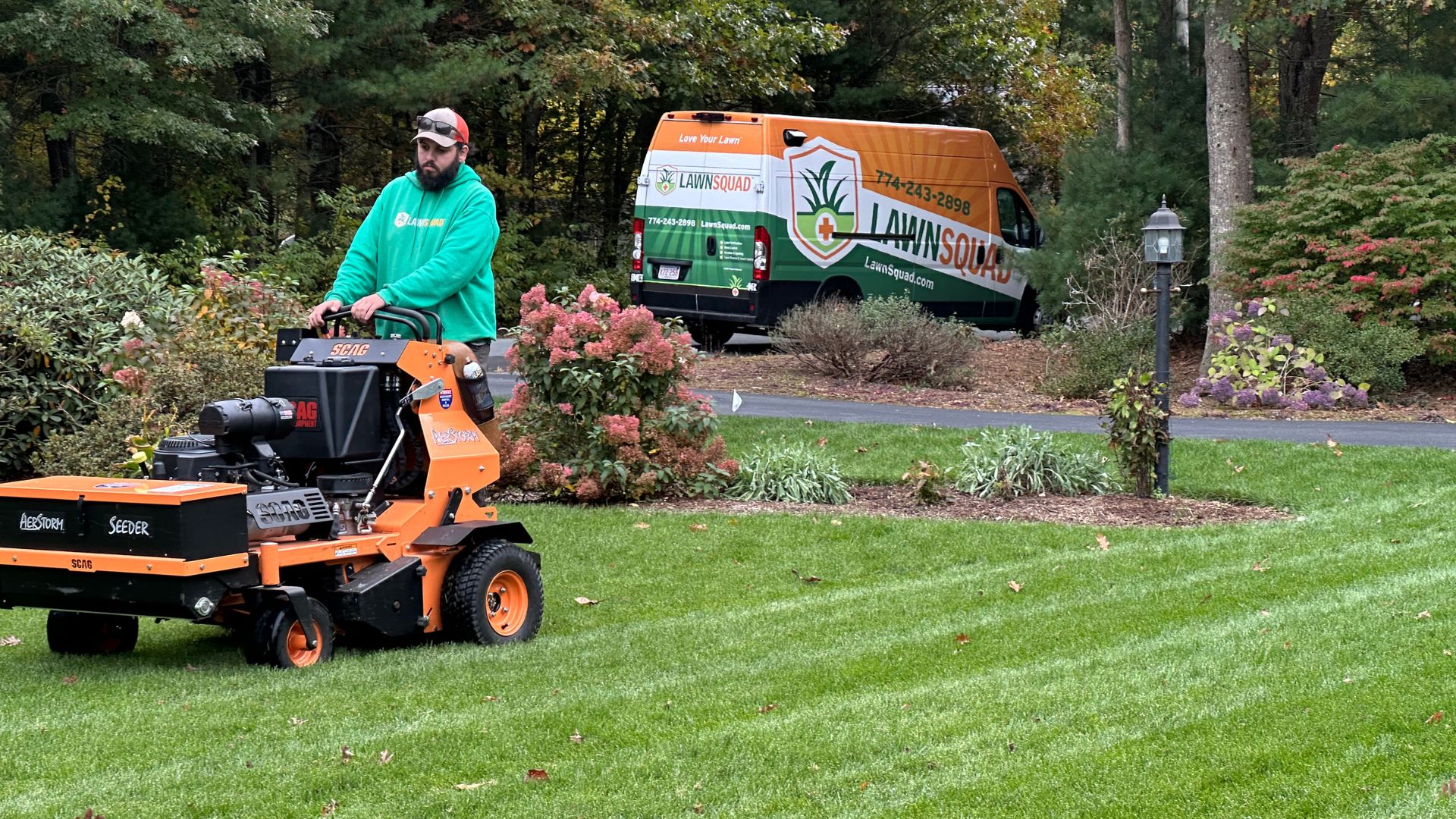
Grub management requires precise timing that’s easy to miss in the busy summer months. By the time most homeowners remember to apply grub control, the ideal window has passed. Then they’re left dealing with damage that costs more to repair than prevention would have cost.
Our lawn care program takes the guesswork out of grub prevention. We apply the right products at the right time based on local conditions and the grub life cycle in Pennsylvania.
Our Grub Management Program includes:
Properly timed preventive applications during the ideal treatment window.
Professional grade products that provide reliable protection.
Monitoring for grub activity and damage throughout the season.
Curative treatment options if problems develop despite prevention.
Stop worrying about whether you remembered to treat for grubs or if you did it at the right time. Let the experts handle your grub prevention so you can enjoy your lawn without the stress.
Contact us today to add grub prevention to your lawn care program and protect your Pennsylvania lawn from costly damage.